
Last updated November 2, 2026
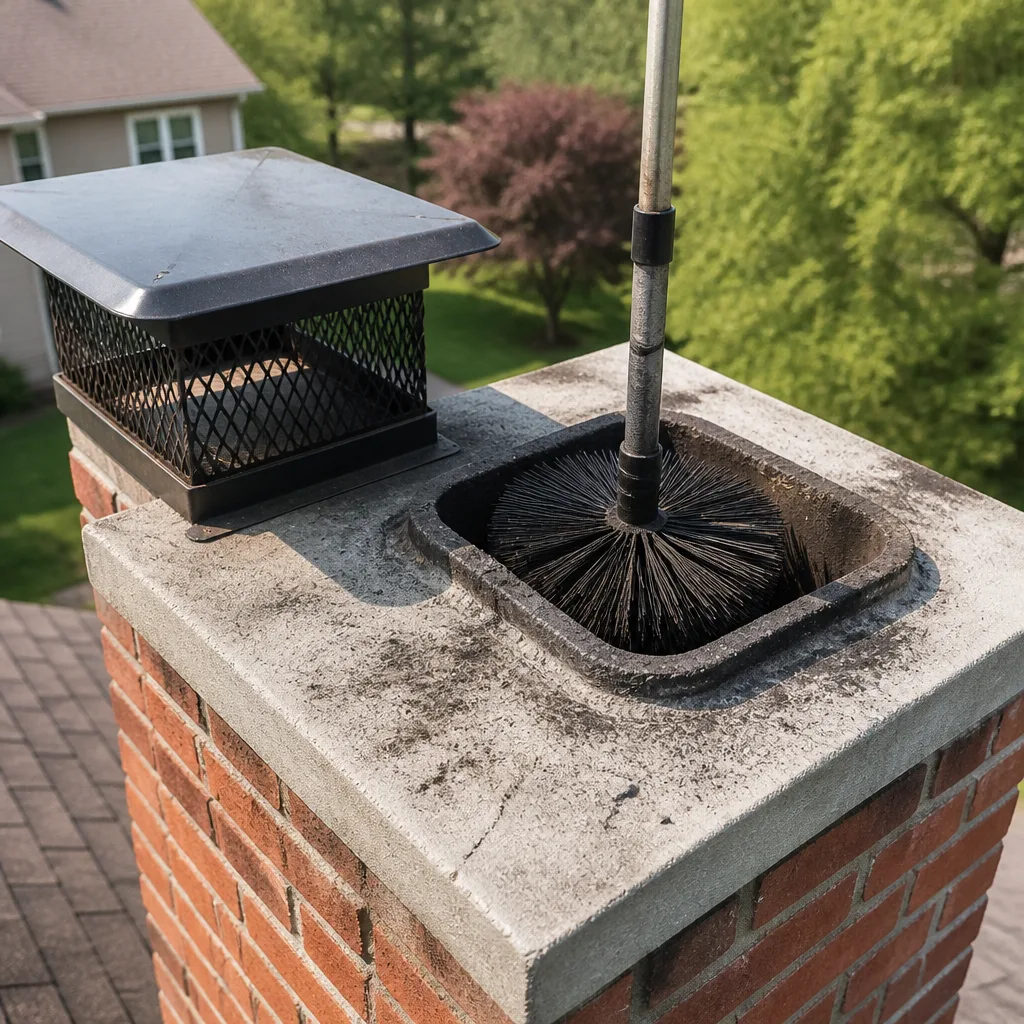 Sweep & inspection
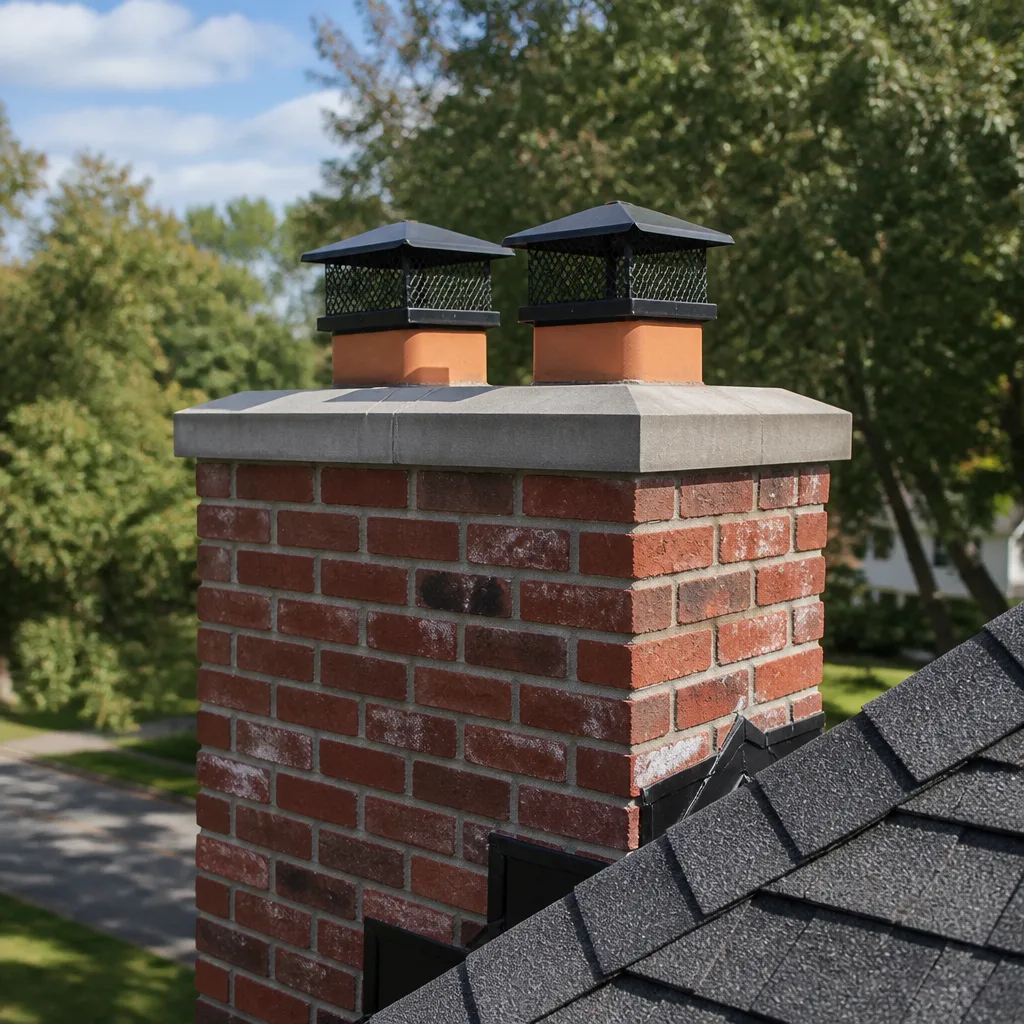 Caps & crowns
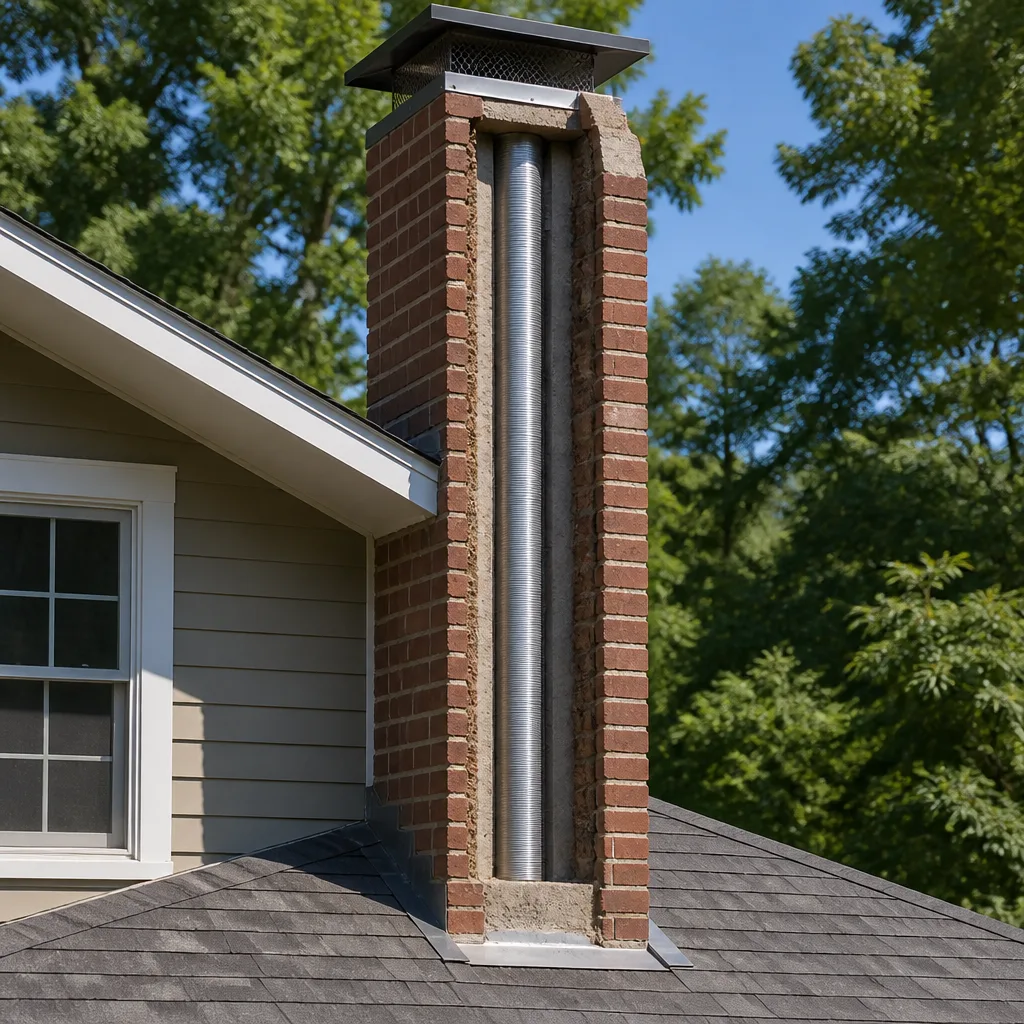 Flue relining
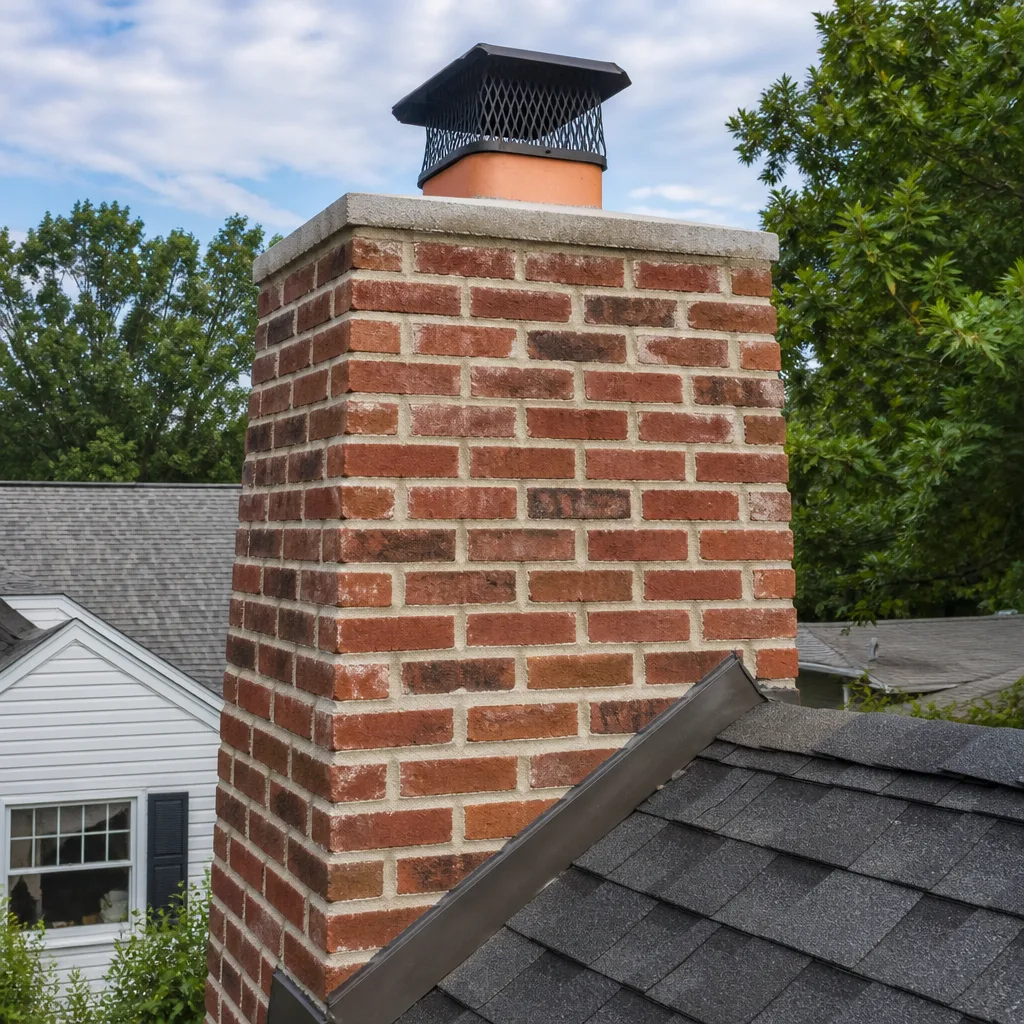 Masonry repair
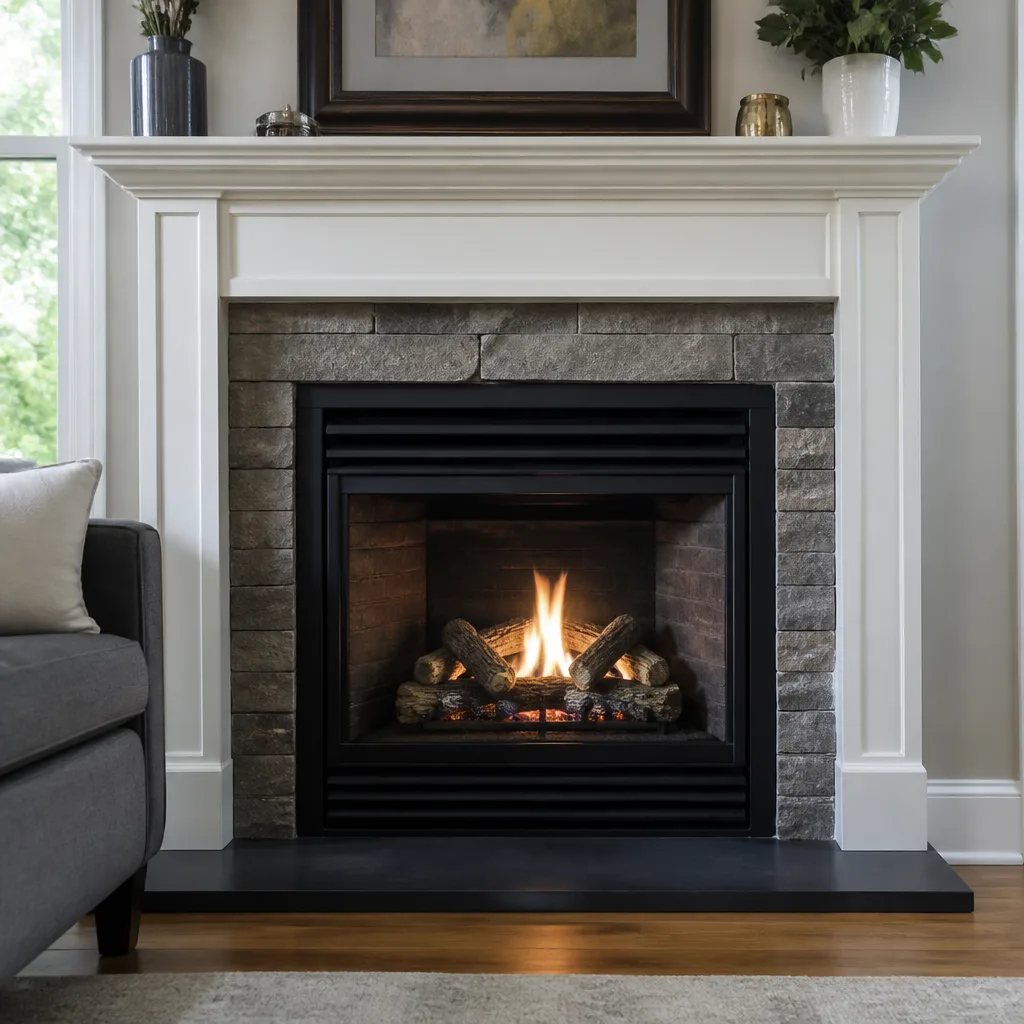 Gas fireplace service
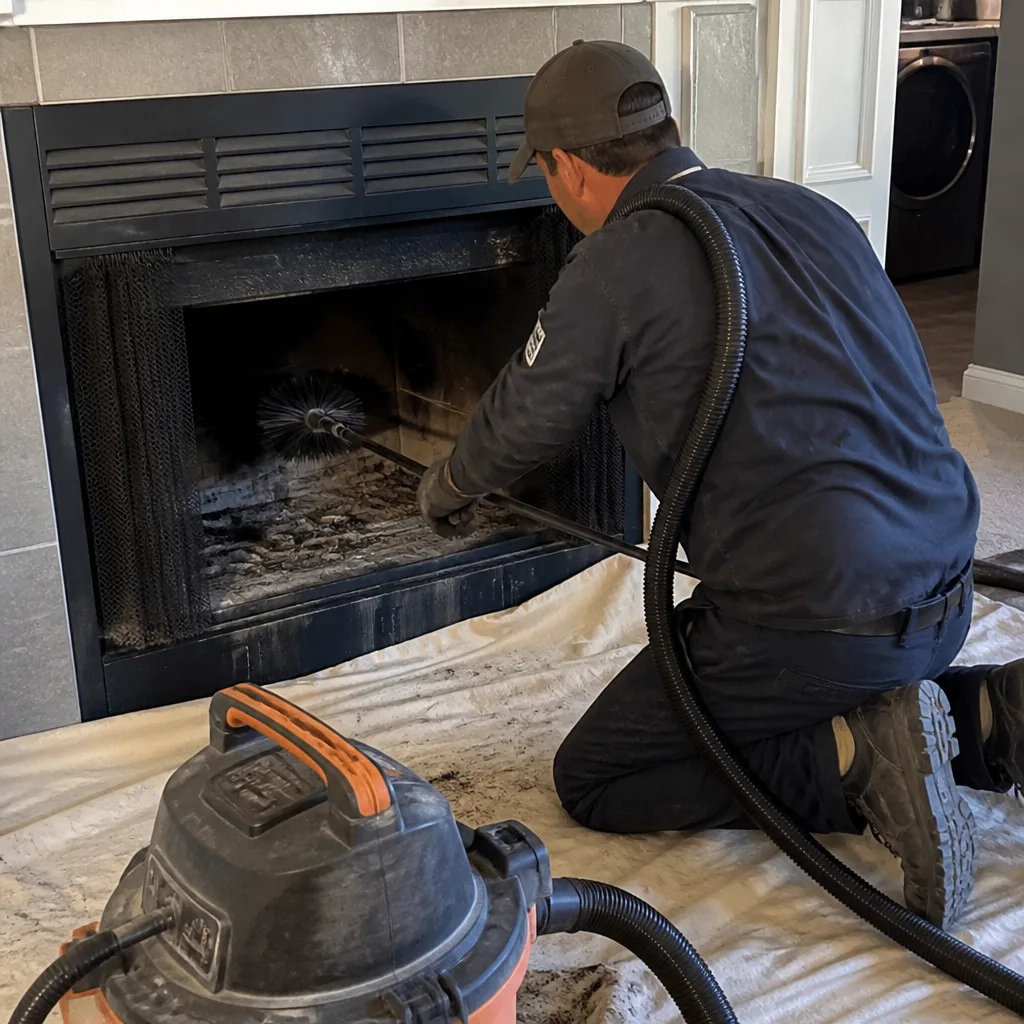
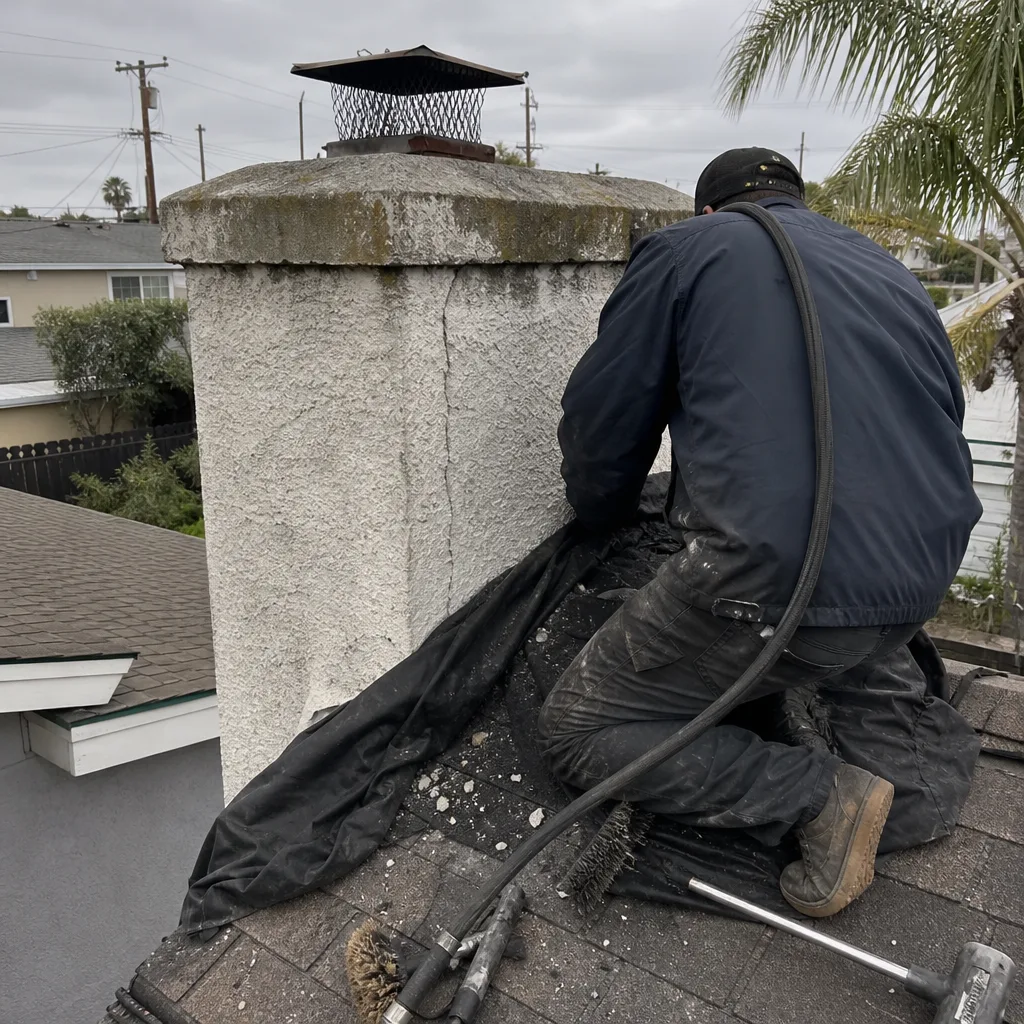
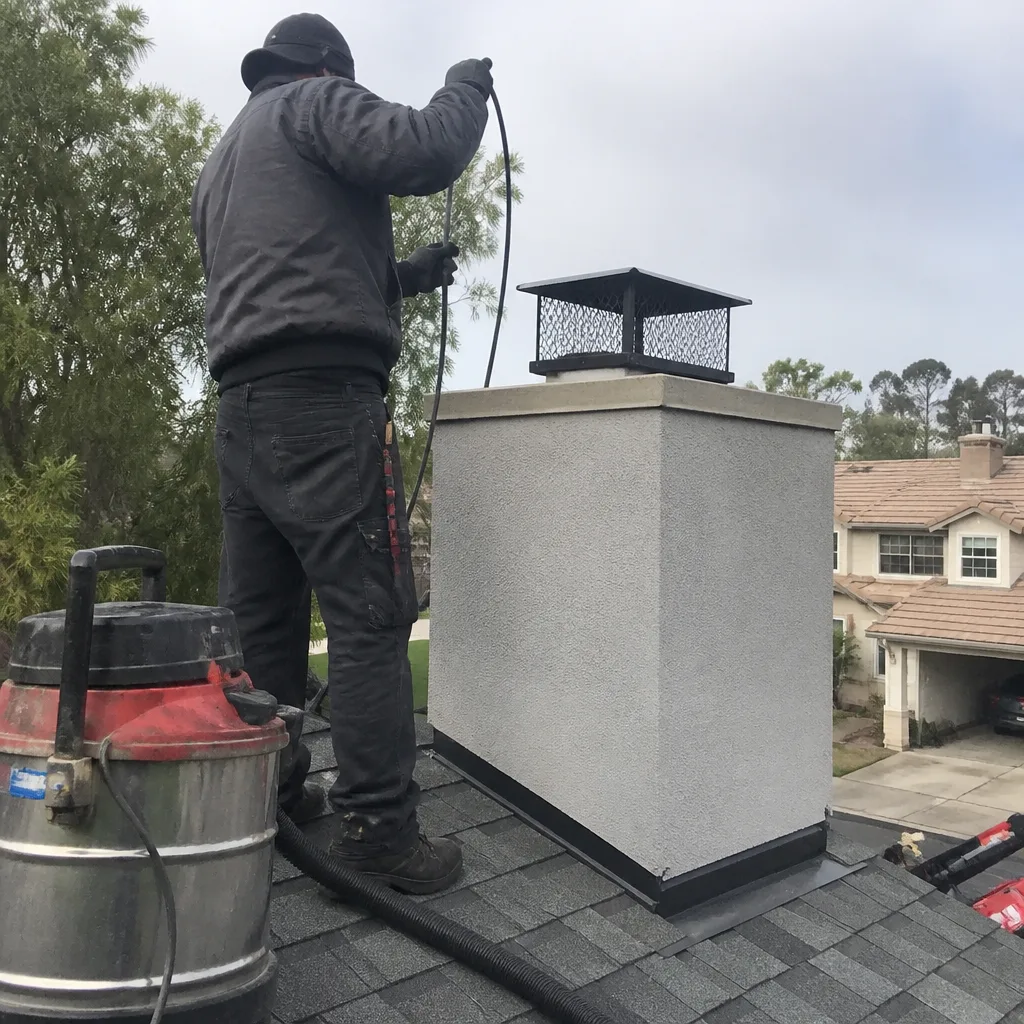
Level 1 sweep and inspection to the NFPA 211 annual standard - flue, crown, cap, and flashing checked and photographed
Chimney sweep logs do not sweep chimneys. They loosen some creosote - which then falls where a brush and vacuum still have to collect it.
Chimney Cleaning Emergency Preparedness Guide for Norwalk Homes
A chimney fire doesn’t always announce itself with a roar. The slow-burning kind, the ones that cause the most structural damage, can run for hours at temperatures above 2000°F while the house stays quiet. Homeowners in Norwalk sometimes describe it later as a strange, sustained burning smell they couldn’t place, or a warmth radiating from the exterior flue that felt wrong when they touched it. This guide is about recognizing those signals before they become emergencies, and knowing exactly what to do in the first five minutes if one hits – see our Chimney Cleaning Warning Signs: A Norwalk Homeowner’s Reference Guide for related details. We’ll walk through active fire identification, carbon monoxide risks specific to chimney systems, post-fire inspection requirements, and how to build a reference card that sits on your fridge until you need it.
Styles & brands we work with
- Sweep & inspection
- Caps & crowns
- Flue relining
- Masonry repair
- Gas fireplace service
Quick Answer
Chimney emergencies in Norwalk homes follow predictable warning patterns, and the difference between a contained incident and a structure fire usually comes down to whether those early signals were recognized. The most critical preparation steps are knowing what an active chimney fire sounds and smells like, positioning carbon monoxide detectors correctly relative to fireplaces, and understanding that no chimney that has experienced a fire can be used again until a camera-documented Level 2 inspection confirms liner integrity. Build a chimney emergency reference card with service contacts, shutoff procedures, and inspection records. If you suspect an active chimney fire, close the damper, get everyone out, and call 911.
Table of Contents
- Norwalk’s Chimney Risk Profile: What Local Conditions Actually Mean
- Recognizing an Active Chimney Fire: The Sensory Indicators Most Homeowners Miss
- The First Five Minutes: A Step-by-Step Response Protocol
- Carbon Monoxide and Chimney Systems: The Blocked Flue Connection
- Post-Fire Protocol: Why a Level 2 Camera Inspection Is Non-Negotiable
- Building Your Chimney Emergency Reference Card
- Prevention as Preparedness: The Maintenance Routine That Prevents Most Emergencies
- Common Mistakes to Avoid
- When to Call a Professional
- Frequently Asked Questions
- The Bottom Line
Norwalk’s Chimney Risk Profile: What Local Conditions Actually Mean
Norwalk sits in Los Angeles County at roughly 92 feet of elevation, with a climate that gives homeowners a specific set of chimney conditions. Fireplace use here is seasonal but not casual. The winter months bring evening temperatures that dip into the 40s, which means fireplaces get lit regularly from November through February. What many Norwalk residents don’t account for is the role of the marine layer and seasonal humidity shifts. Creosote, the combustion byproduct that fuels chimney fires, doesn’t need freezing temperatures to accumulate. It needs incomplete combustion, which happens in short, low-burn fires exactly the kind people have on Southern California winter evenings when they light a fire for ambience more than heat.
The result is predictable. We see chimneys all over Norwalk and neighboring Cerritos, Bellflower, and Downey with creosote accumulation patterns typical of short-burn use: a tarry, sticky glaze rather than the flaky soot you’d find in colder climates where fires run hot for hours. The glazed form is more combustible per square inch. It also resists brushing more than most homeowners expect, which is why Chimney Sweep in Norwalk work here involves more mechanical removal than a quick visual once-over would suggest.
Norwalk’s older housing stock adds another factor. A significant portion of the city’s single-family homes were built in the 1940s through 1960s, and original masonry chimneys from that era were constructed with clay tile liners that have now exceeded their expected service life. When those liners crack or separate, two things happen: hot gases reach combustible framing materials during normal fires, and the chimney becomes structurally compromised before any fire emergency even occurs. A clean chimney is not the same as a safe chimney, and in Norwalk specifically, liner condition is the variable that most often separates the two.
Recognizing an Active Chimney Fire: The Sensory Indicators Most Homeowners Miss
The most dangerous chimney fire in your home is not necessarily the one that looks like a chimney fire. It’s the slow-burner that runs undetected while everyone watches television. Here’s what both types actually present like, based on what we’ve documented in inspections after Norwalk-area incidents.
The Obvious Indicators (Fast-Burning Chimney Fires)
These are the ones people describe as sounding like a freight train or a jet engine. The indicators include:
- Loud cracking or popping coming from inside the chimney, distinct from normal burning sounds because it’s rhythmic and mechanical, not soft.
- A roaring sound that doesn’t stop when the fire is adjusted or the damper is moved.
- Dense, dark smoke pouring from the chimney top, heavier than typical fire smoke and often carrying visible embers.
- Flames or sparks visible at the chimney cap or mortar joints, especially at night.
- Intense heat radiating from the chimney breast or exterior flue that feels wrong when you stand near it or touch the wall around the fireplace.
The Slow-Burn Indicators Most Norwalk Homeowners Miss
Slow-burning chimney fires don’t roar. They smolder at temperatures between 1600°F and 2000°F inside the flue, often for hours, and they present differently:
- Sustained burning smell that doesn’t match what’s in the firebox. It’s acrid, chemical, or reminds you of hot asphalt. If it lingers for more than twenty minutes and intensifies with fire use, that’s a red flag.
- Exterior warmth on the chimney chase or brick that persists long after the fire has been reduced to embers. In Norwalk’s mild climate, this is easier to notice because you’re not bundled against outdoor cold. Walk outside. Touch the chimney. If it’s hot to the touch an hour after active flames stopped, that’s not normal.
- Discoloration on the exterior. After the fact, inspectors look for warped metal, blistered brick, darkened mortar joints, and cracked flue tiles. If you see any of these appear between routine inspections, a slow-burn fire may already have occurred.
- Flakes of creosote falling into the firebox during a burn. This means the flue above is loaded and temperatures are reaching the point where deposits are sloughing off.
The tactile test matters. Most chimney fires in Norwalk homes are discovered by someone who touched a wall or exterior surface and thought, “that’s too hot.” Trust that instinct.
The First Five Minutes: A Step-by-Step Response Protocol
If you suspect a chimney fire, your actions in the next five minutes determine whether it stays contained or spreads. This sequence is what fire safety professionals teach, and it’s specific enough to memorize.
- Close the damper completely. This limits oxygen flow to the flue, starving the fire of one of the three elements it needs. Do not attempt to remove burning logs from the firebox. Do not add water to the firebox. Water on a flue fire creates steam, which can crack masonry and scatter embers through the house.
- Evacuate everyone from the home. This includes pets. Chimney fires can breach the flue and enter attic spaces in minutes. You don’t wait to see how it develops. You get out.
- Call 911 from outside. Tell the dispatcher it’s a suspected chimney fire, not a fireplace fire. That distinction matters because it changes how responding crews approach the structure. In Norwalk, LA County Fire Department handles these calls with protocols specific to chimney involvement.
- If you can safely do so, close the firebox doors or glass screen. Only if this can be done without exposure to heat or smoke. This further limits oxygen and contains sparks. If you have to reach into intense heat to do it, skip this step.
- Do NOT open interior doors or windows to “air out” the smoke. This introduces oxygen and creates airflow that can accelerate the fire. Keep the house closed until emergency personnel evaluate the situation.
- Do NOT attempt to climb on the roof to inspect or extinguish. The structural integrity of a chimney mid-fire is unknown. Roof collapses in chimney fire events are rare but documented. Your job is to be off the roof and out of the house.
After the fire is out, the house is no longer in an emergency state, but the chimney remains a hazard until evaluated. A chimney that has experienced a fire, even a small one, has undergone thermal stress that may have cracked the liner, separated mortar joints, or damaged the flue cap. None of these are visible from the ground.
Carbon Monoxide and Chimney Systems: The Blocked Flue Connection
Chimney fires are dramatic and visible in their worst form. Carbon monoxide is neither. It’s the quiet failure mode that kills people in their sleep, and in Norwalk homes, the chimney is one of the primary delivery points.
CO enters the home when combustion gases from a wood or gas fireplace can’t draft properly up the flue. That happens when the flue is blocked by creosote buildup, animal nests, collapsed liner sections, or structural debris. It also happens when a cracked liner allows gases to leach into wall cavities and then into living spaces through gaps around electrical outlets, recessed lighting, and baseboards. A blocked flue is obvious in retrospect. A cracked liner is not, and it can produce low-level CO exposure for months before symptoms register.
Symptoms of CO exposure include persistent headaches, dizziness, nausea, confusion, and fatigue that improves when you leave the house. These symptoms are non-specific enough that people blame them on sleep, stress, or illness. The CO detector is the only reason many families ever connect the dots.
Detector placement matters more than most Norwalk homeowners realize. CO detectors should be installed in every sleeping area and on every level of the home. The specific position relative to fireplaces deserves attention. Do not place the one CO detector you trust for the fireplace directly above the firebox. Any fireplace produces a small amount of CO that dissipates during normal drafting. The detector should be placed in the same room but at least 10 to 15 feet away from the firebox, at chest height or on the wall near a bedroom door. Detectors near the ceiling in vaulted rooms can miss heavier CO concentrations that accumulate lower. In rooms with fireplaces or wood stoves, a detector at the recommended distance gives you early warning of a backdraft failure without false alarms from every normal fire.
Homes with attached garages in Norwalk have an additional CO source, and vehicles idling in a garage can send CO into the same living spaces a chimney serves. If you run the fireplace while a car warms up in a connected garage, you’re testing two systems at once. The detector needs to be positioned to catch both.
Post-Fire Protocol: Why a Level 2 Camera Inspection Is Non-Negotiable
After any chimney fire, the structure cannot be used again until it’s been evaluated. This isn’t a recommendation. The National Fire Protection Association (NFPA) 211 standard and the Chimney Safety Institute of America both specify that a Level 2 inspection is required after any chimney fire, any weather event that affects the chimney, or any change in the system. The reasoning is straightforward: a fire that reached 2000°F inside a flue has compromised materials that were never rated for that temperature.
A Level 2 inspection includes everything in a Level 1 (visible surfaces, accessible portions of the interior and exterior, basic flue condition), plus access through the attic, crawlspace, and roof. It’s the camera work that matters most. The inspector runs a video camera up the flue and documents the liner condition inch by inch. What the camera shows determines whether the chimney is safe to use, needs repair, or needs a full liner replacement.
For Norwalk homeowners dealing with post-fire liner damage, the repair options depend on what the camera finds. Cracked clay tile liners can sometimes be addressed with a resurfacing system like HeatShield, which uses a specialized compound applied with an applicator to restore a continuous, insulated surface inside the flue without full demolition. More extensive damage calls for a flexible stainless steel liner system like DuraFlex, which installs as a continuous liner inside the existing flue. Both are professional-grade materials from established chimney supply manufacturers. Neither is a hardware-store patch. A technician who works with both, and understands when each is appropriate, can give you a straight answer about whether the chimney is repairable or needs more extensive work.
What a homeowner should not do is accept a verbal “it looks okay” after a chimney fire. The thermal damage is inside the flue. It cannot be seen with a flashlight from the firebox. Camera documentation is the only way to confirm liner integrity, and the homeowner should receive images or video from that inspection as part of the report.
Building Your Chimney Emergency Reference Card
Emergency preparedness fails when it lives in memory. Your phone has the numbers you need until the phone is inside the house, and you’re outside, and everyone’s asking you what the plan is. The solution is a physical reference card, laminated or kept in a plastic sleeve, fastened to the inside of a kitchen cabinet door or hung from the side of the refrigerator. It costs nothing to make and it solves the exact problem that panic creates: forgetting what you know.
Here’s what goes on the card:
- Emergency numbers: 911 is obvious, but also list the non-emergency LA County Fire Department line for post-incident questions, your gas company’s emergency leak hotline in case you need to shut off gas during a chimney event that involves a gas insert, and your homeowner’s insurance claims line. Do not put your chimney service number here. This card is for the first hour of an emergency, not the follow-up.
- Shutoff sequence: Write it as a numbered list: close damper, evacuate, call 911 from outside. Keep it to three lines because that’s all anyone will read during an actual event.
- Detector locations and battery dates: List where every CO and smoke detector is installed and when batteries were last replaced. Update this line when you change batteries. When first responders arrive, they will ask about detector placement. Having it written saves time.
- Inspection history: Keep the last inspection date, the inspector’s name, and the key finding. If you have a liner repair on record, note what was done and when. Post-fire response often turns on whether a known condition was previously documented.
- Post-incident protocol: One sentence: “After any chimney fire, do not use the fireplace until a camera-documented Level 2 inspection clears the liner.” That sentence keeps you from being talked into a “quick visual check” by someone who isn’t going to run a camera.
- Routine service contact: This is where Chimney Repair in Norwalk information belongs. List the company that handles your sweep and inspection, with the phone number. When an emergency is over, you’ll want to schedule the follow-up inspection without searching for a number.
Make two copies. One goes in the kitchen. One goes in the garage or laundry room where the circuit breaker panel is located. The second copy matters because chimney emergencies can force you outside through a different exit than the one you planned, and you may not be able to get back to the kitchen card.
Prevention as Preparedness: The Maintenance Routine That Prevents Most Emergencies
Most chimney emergencies in Norwalk are preventable through a Chimney Sweep Maintenance Checklist for Norwalk Homeowners and a maintenance routine that follows the same logic as changing oil in a car. You don’t wait for the engine to seize before servicing it. You service it on an interval so it never gets to that point.
The National Fire Protection Association recommends annual chimney inspection and cleaning as needed. For Norwalk fireplaces that burn during fall and winter evenings, professional sweeping every year or every other year is appropriate, depending on burn frequency and wood type. What matters more than the interval is the consistency. A chimney that goes three years between sweeps accumulates enough creosote that the first hot fire of the fourth season is a gamble. We’ve seen glazed creosote deposits in Norwalk chimneys that measured a quarter inch thick, which is several times the level at which the CSIA says the flue is unsafe to use.
What the sweep does that a homeowner can’t easily do themselves is get at the flue surfaces with mechanical brushes and document what came out. A professional sweep also catches deterioration during the sweep. Small cracks in masonry, a loose cap, a deteriorated flue section: these are found during routine visits, not during emergencies. The company that finds a cracked liner during a sweep can often repair it then, rather than handing you a report and a referral slip. That’s the advantage of hiring a company that does repair alongside cleaning, with products like HeatShield for flue resurfacing and DuraFlex for liner replacement already in the service scope. It keeps the system whole without a second vendor getting called in.
One more component belongs in the prevention conversation: dryer vents. It’s a separate system from the chimney, and most chimney-focused companies don’t address it, but Dryer Vent Cleaning in Norwalk belongs in the same household safety routine because dryer vents cause house fires through the same mechanism as dirty chimneys: combustible lint accumulation ignited by heat in an enclosed space. If you’re building a household fire-prevention routine, the chimney and the dryer vent get serviced on the same schedule, by the same company, on the same visit. It’s one call covering both systems, which is fewer vendors to track and fewer service dates to remember.
For homeowners who want a more complete picture of the chimney system and what annual service in Norwalk actually involves, the Chimney Repair Norwalk home page covers the scope of what a full inspection includes, from firebox to cap.
Common Mistakes to Avoid
- Hosing down a chimney fire from inside the house. Water thrown onto a flue fire flashes to steam almost instantly. The steam expands violently inside the flue and can crack the liner, turning a contained fire into a structural breach. It also sends burning embers out through the firebox opening and into the room. This is the most dangerous instinct homeowners have, and it needs to be consciously unlearned before an emergency happens.
- Assuming a quiet chimney fire is a small one. The quiet ones are usually worse. A slow-burning chimney fire at 1800°F inside the flue produces none of the spectacle of a fast burn, but it applies extreme thermal stress to liner materials for hours. Insurance adjusters in Norwalk have documented cases where the damage was more extensive than the homeowner believed possible because no one heard anything.
- Skipping the post-fire inspection because everything “looks fine.” Fire damage to a flue liner is almost never visible from the firebox or the ground. The crack is inside. The only thing a “looks fine” assessment tells you is that the outside of the chimney didn’t collapse. Using the fireplace after an unrepaired liner crack risks a structure fire during the next burn.
- Putting a CO detector immediately above the fireplace. This placement produces false reads and, worse, trains you to ignore the detector. The proper distance from the firebox is 10 to 15 feet, at breathing height, away from supply registers that dilute the reading.
- Burning a “hot fire” to burn off creosote. Homeowners sometimes hear that a very hot fire will clean the flue. It won’t. It will ignite the creosote, which is the chimney fire you were trying to avoid. Creosote removal is mechanical. It involves brushes and scrapers, not hotter fires.
- Delaying a sweep because the fireplace “doesn’t get used that much.” Infrequent use is not protective. Short, occasional fires are precisely what produce the glazed, highly combustible creosote layer. The frequency of use has almost nothing to do with how much creosote is in the flue. Burn characteristics do.
When to Call a Professional
Some chimney situations are DIY-appropriate. Removing cool ash from a cold firebox, checking a damper for smooth operation, and wiping down the hearth are all fine for a homeowner. The line gets crossed when you’re dealing with anything inside the flue, any suspected fire damage, any persistent smoke backdraft, or any CO detector alarm that can’t be traced to an obvious source. A cracked liner, a deteriorating flue, a blocked flue, or a chimney that has experienced a fire is a professional situation, full stop. Attempting to clean or repair interior flue surfaces without the right equipment and inspection tools is dangerous, and it often makes the underlying condition worse. Chimney Repair Norwalk offers free estimates in Norwalk covering sweeps, inspections, and repair work, including liner resurfacing and replacement with HeatShield and DuraFlex systems. Call (855) 942-0212 to schedule an evaluation, or to ask whether a specific condition you’re seeing is normal. The estimate conversation costs nothing, and it sorts out what’s urgent from what can wait.
Frequently Asked Questions
A chimney that gets regular seasonal use in Norwalk should be swept every year or every other year, depending on burn frequency and wood type. Annual inspection is the NFPA standard regardless of how much you burn. Short, low-burn fires typical of Southern California winters produce the glazed form of creosote that’s most combustible and hardest to remove, so if your fireplace sees more than a couple dozen fires per season, annual sweeping is the sensible interval. Call (855) 942-0212 to schedule a sweep and get an honest assessment of your particular accumulation rate.
A fast-burning chimney fire sounds like a freight train, a jet engine, or a furnace blast coming from inside the flue, often with loud popping and cracking. A slow-burning chimney fire, the kind that causes the most structural damage, produces no dramatic sound at all, which is why the tactile indicators matter more. If the exterior of the chimney is hot to the touch long after the fire has died down, or if a strange, acrid smell persists, treat it as a chimney fire event and follow the response protocol.
No. A chimney that has experienced a fire must not be used until a camera-documented Level 2 inspection confirms the liner is intact. Fire damage to flue tiles is internal and invisible from the outside. Using the fireplace before the inspection risks a structure fire during the next burn because hot gases can reach combustible framing through cracks that shouldn’t exist. Schedule the inspection before lighting another fire, not after. Call (855) 942-0212 for a post-fire Level 2 evaluation serving Norwalk and surrounding areas.
CO detectors should be installed on every level of the home and in every sleeping area. In a room with a fireplace, the detector should be placed 10 to 15 feet from the firebox, at breathing height, not on the ceiling directly above the fire. This positioning catches backdraft failures and incomplete combustion without triggering false alarms from normal fire-starting emissions. Detectors near sleeping rooms are the ones most likely to wake someone during a slow CO leak at night.
A Level 2 inspection is a comprehensive chimney evaluation that includes a video camera scan of the entire flue interior, plus access to the attic, crawlspace, and roof areas where chimney components pass through the structure. It’s required after a chimney fire, after any weather event that might have damaged the chimney, and before any property transfer. The camera documents liner condition in a way that a visual check cannot, and the report should include images or video the homeowner can review.
Norwalk follows California state building and fire codes, which reference NFPA standards for chimney safety; for specifics, see Chimney Cleaning Permits, Codes & Inspections in CA: What You Need to Know, though routine residential fireplace use itself does not require municipal inspection permits. What’s enforced is safety through insurance requirements and code compliance when a home is sold or renovated. In practice, the annual inspection is something responsible homeowners schedule themselves because the insurance company will ask about maintenance records if a chimney fire causes a claim. The inspection history on your reference card is part of that documentation.
The Bottom Line
Chimney emergencies in Norwalk homes are predictable enough that preparation isn’t guesswork. Know what a slow-burning chimney fire feels like from the outside. Know the three-step response: close the damper, evacuate, call 911. Position CO detectors correctly and keep their battery dates written down. Never use a fireplace again after a fire until a camera inspection clears the liner. Build the reference card and keep it where panic can’t erase it. And keep the routine maintenance on schedule, because the sweep that finds a crack in October prevents the emergency in January. For more guides & resources, visit our blog. A chimney that’s clean is not the same as a chimney that’s safe, and the difference lives in the details that get checked before the fire starts.
Written by the team at Chimney Repair Norwalk, serving Norwalk since 2017.
See the difference
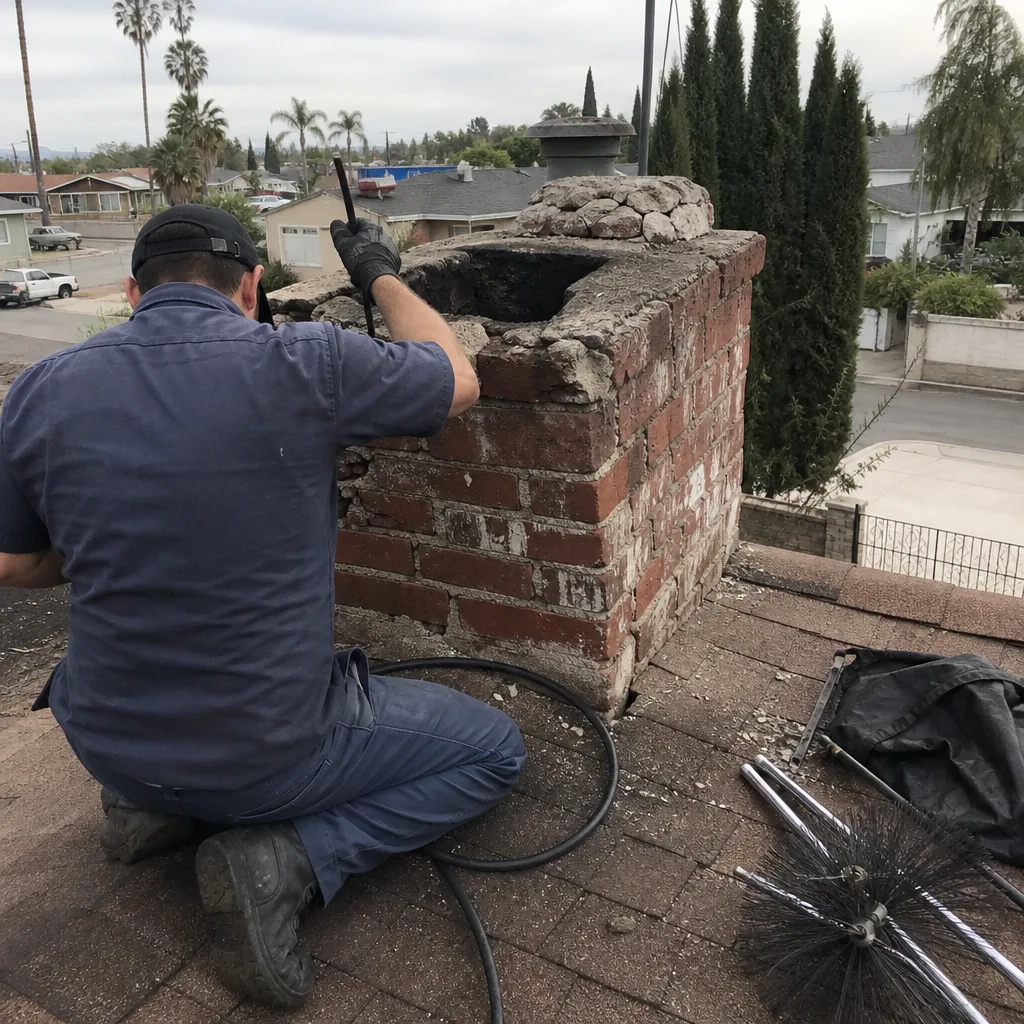 Before
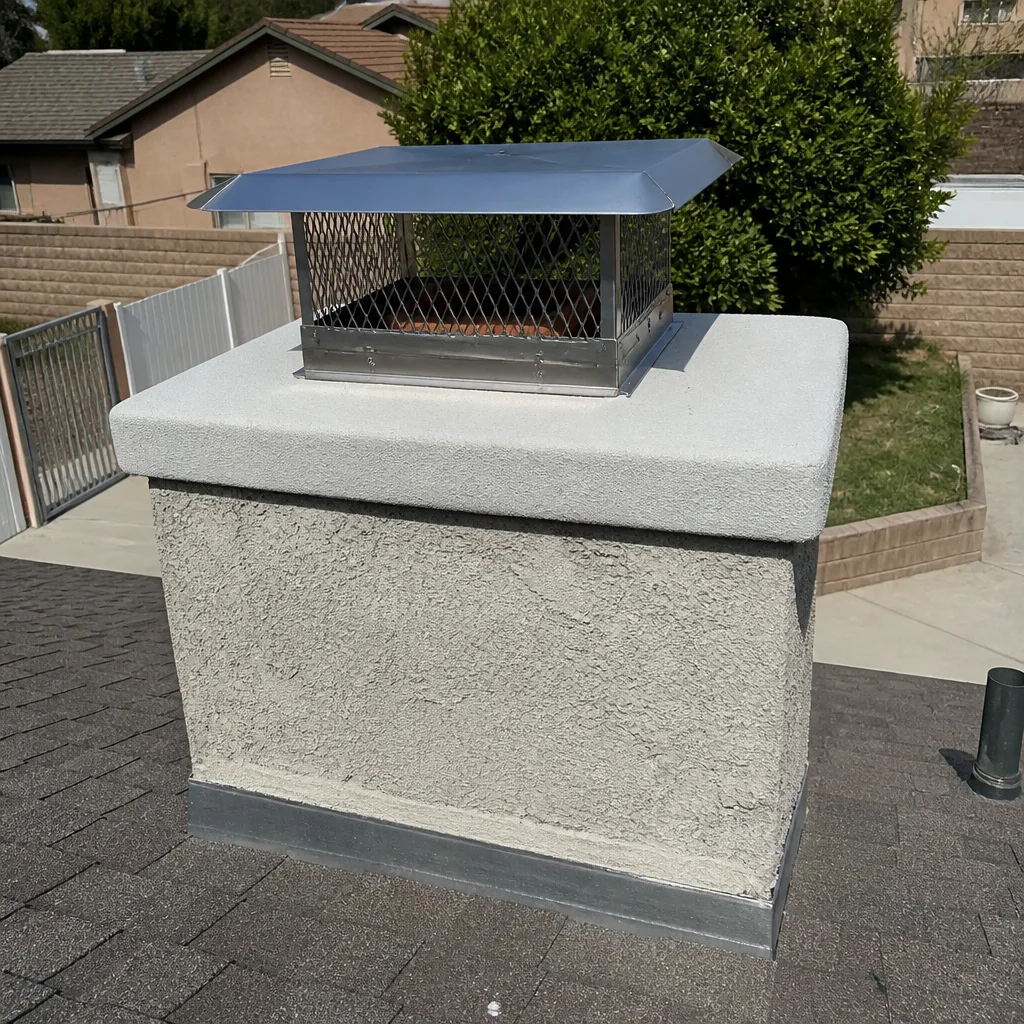 After
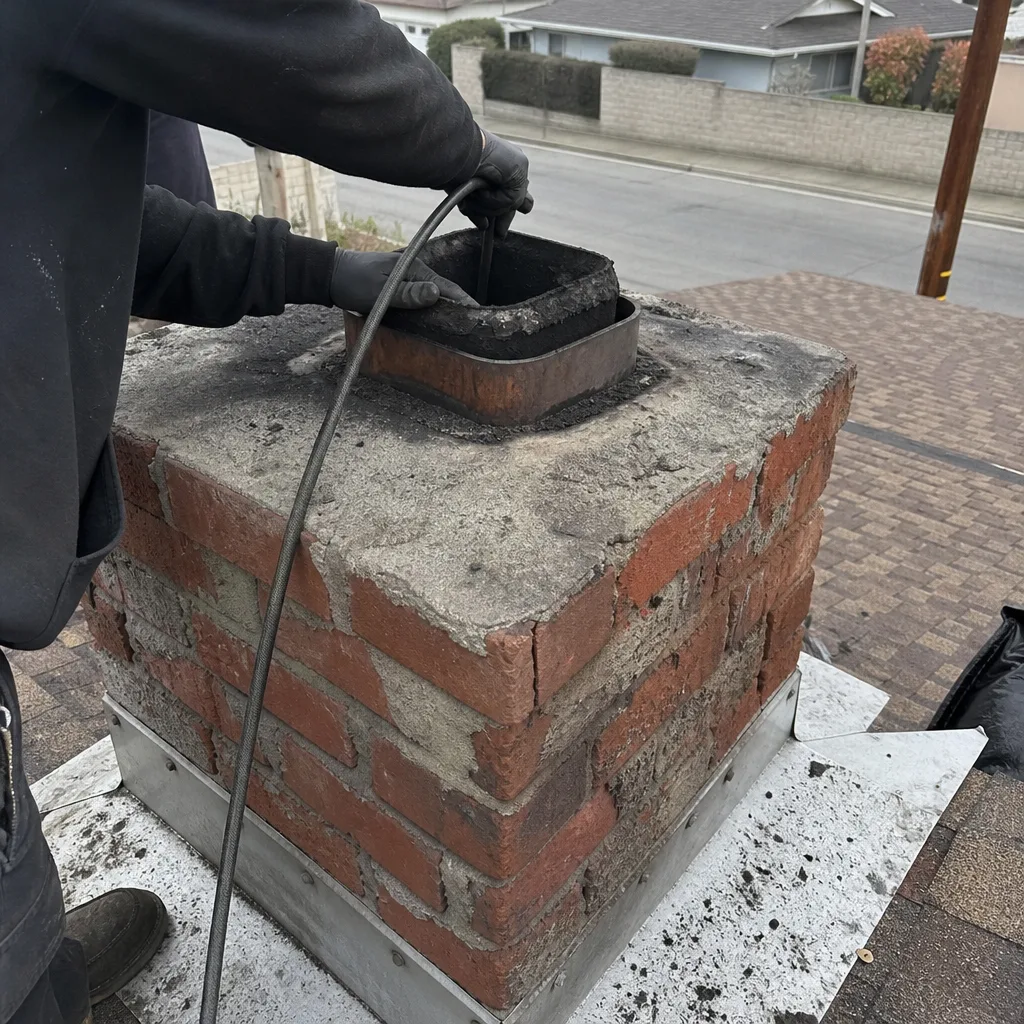 Before
 After
 Before
 After