
Last updated November 2, 2026
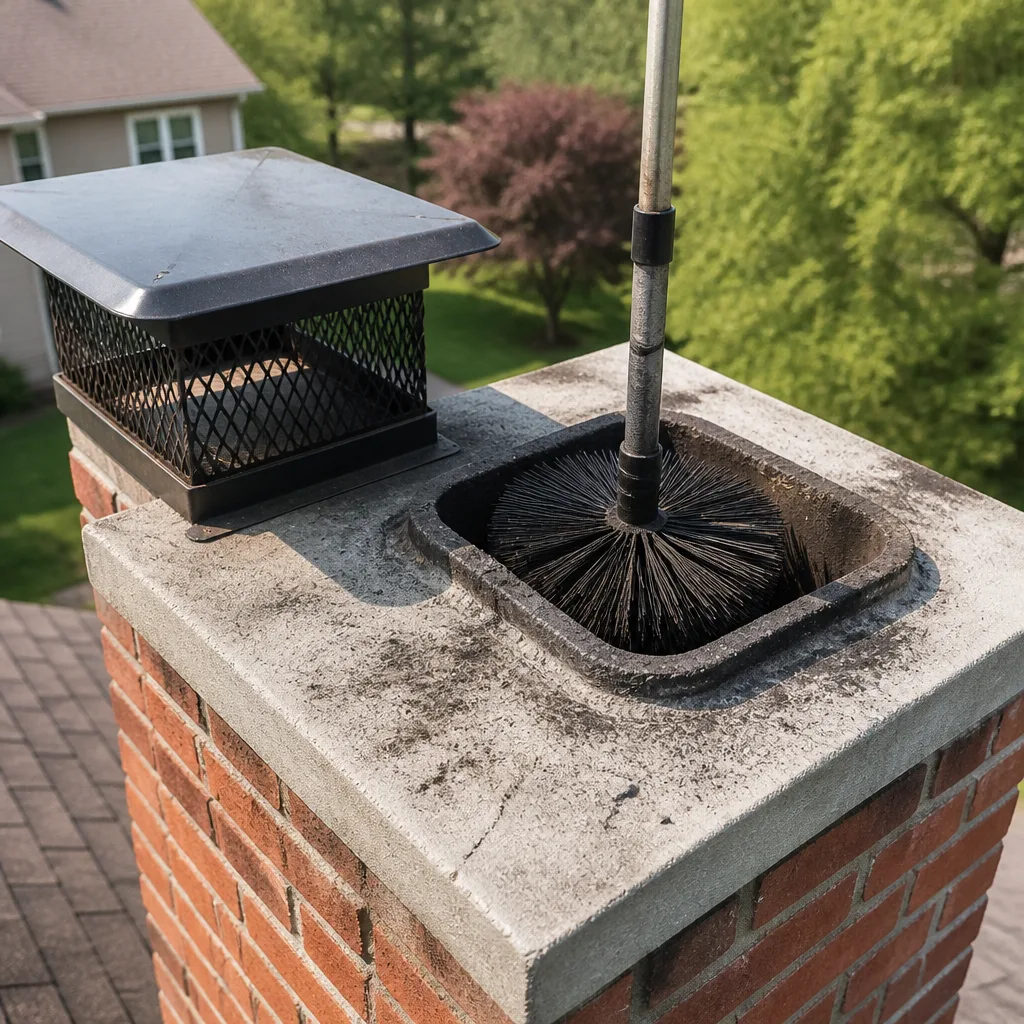 Sweep & inspection
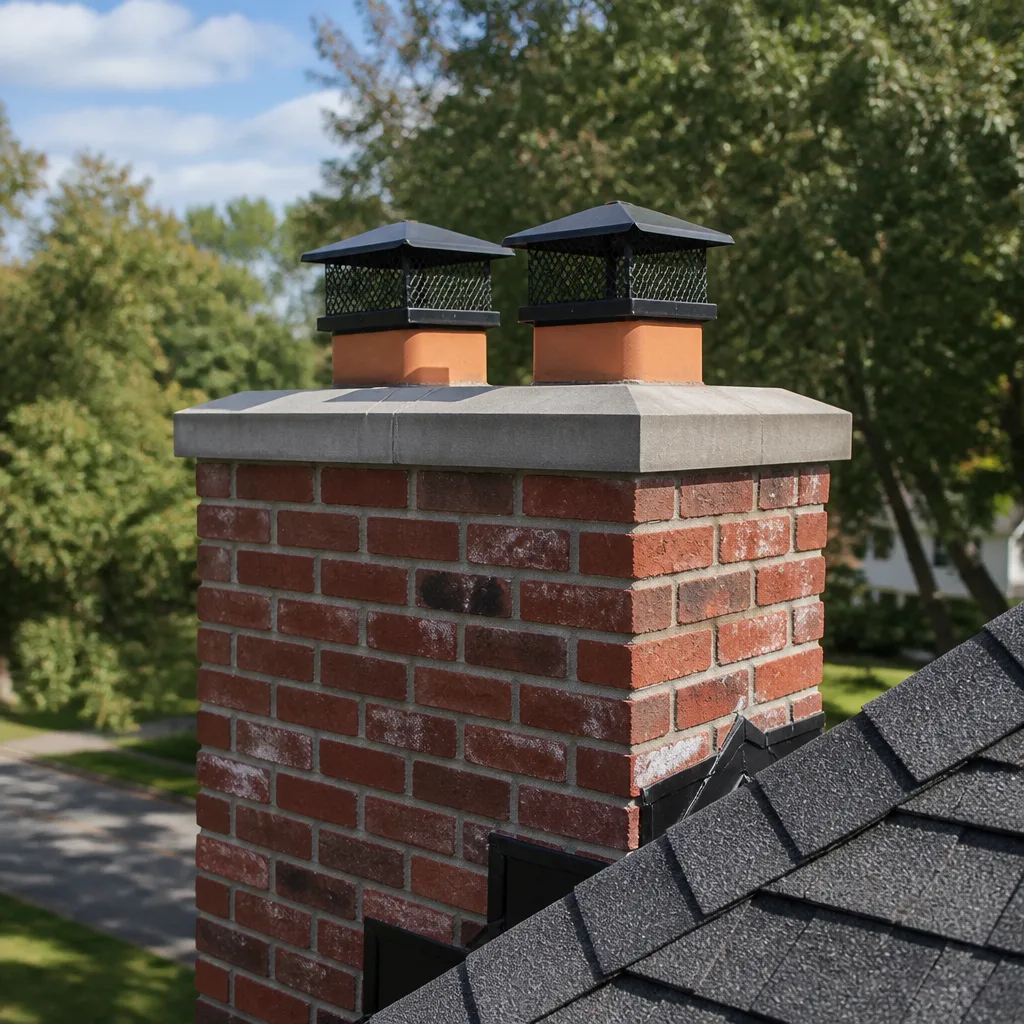 Caps & crowns
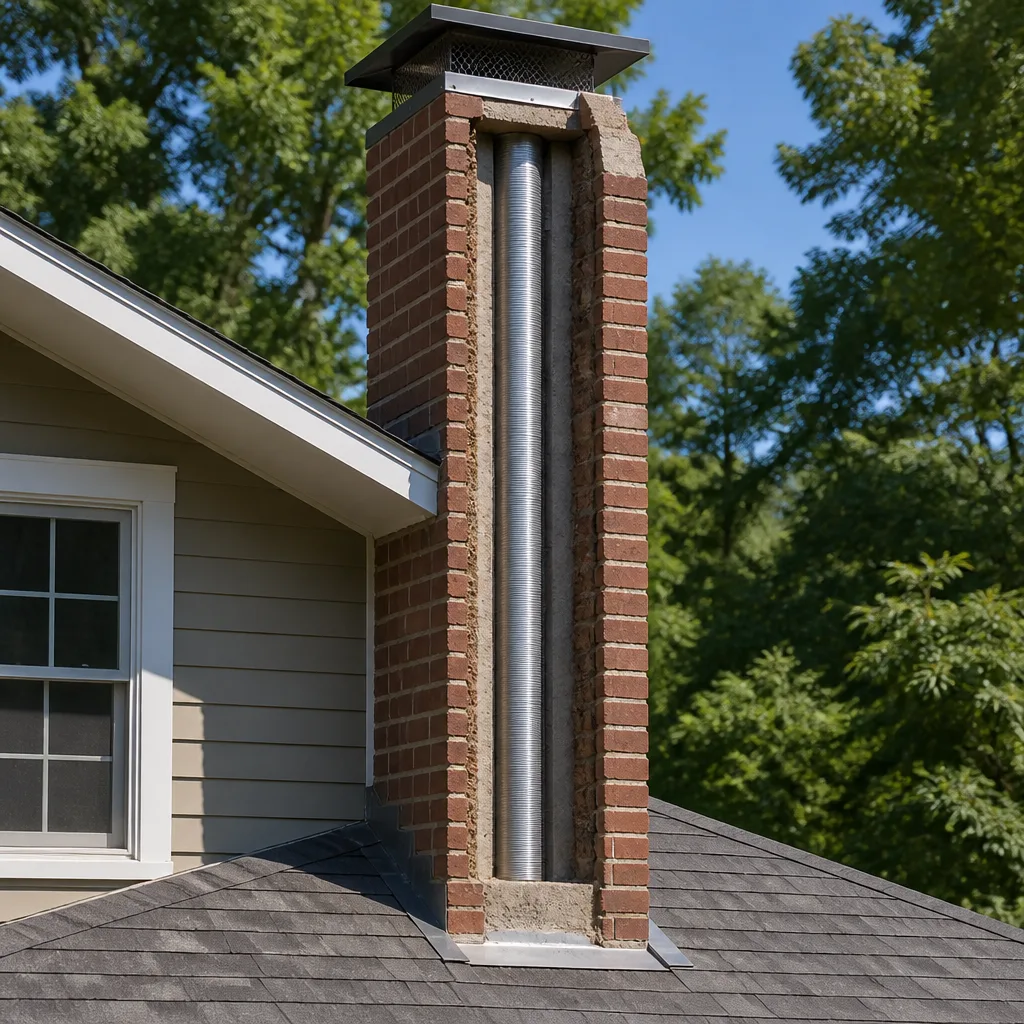 Flue relining
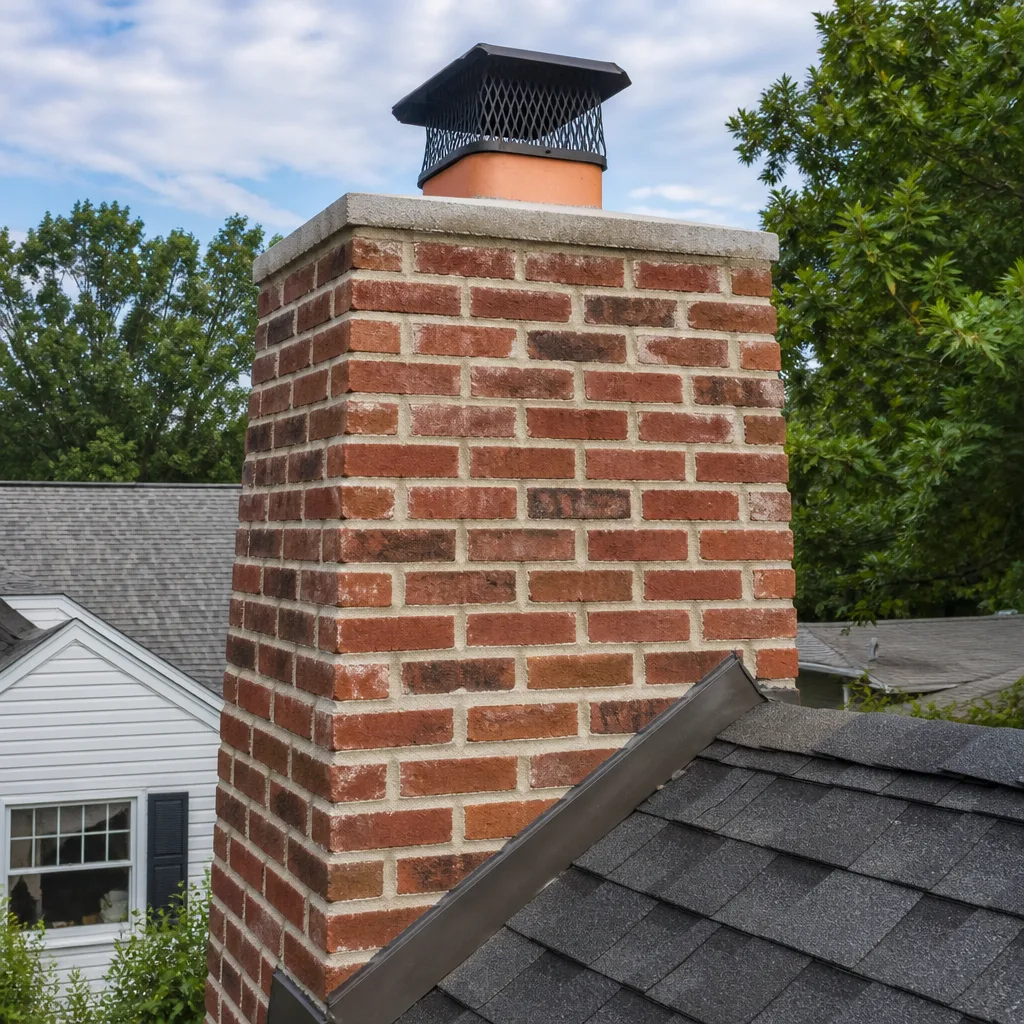 Masonry repair
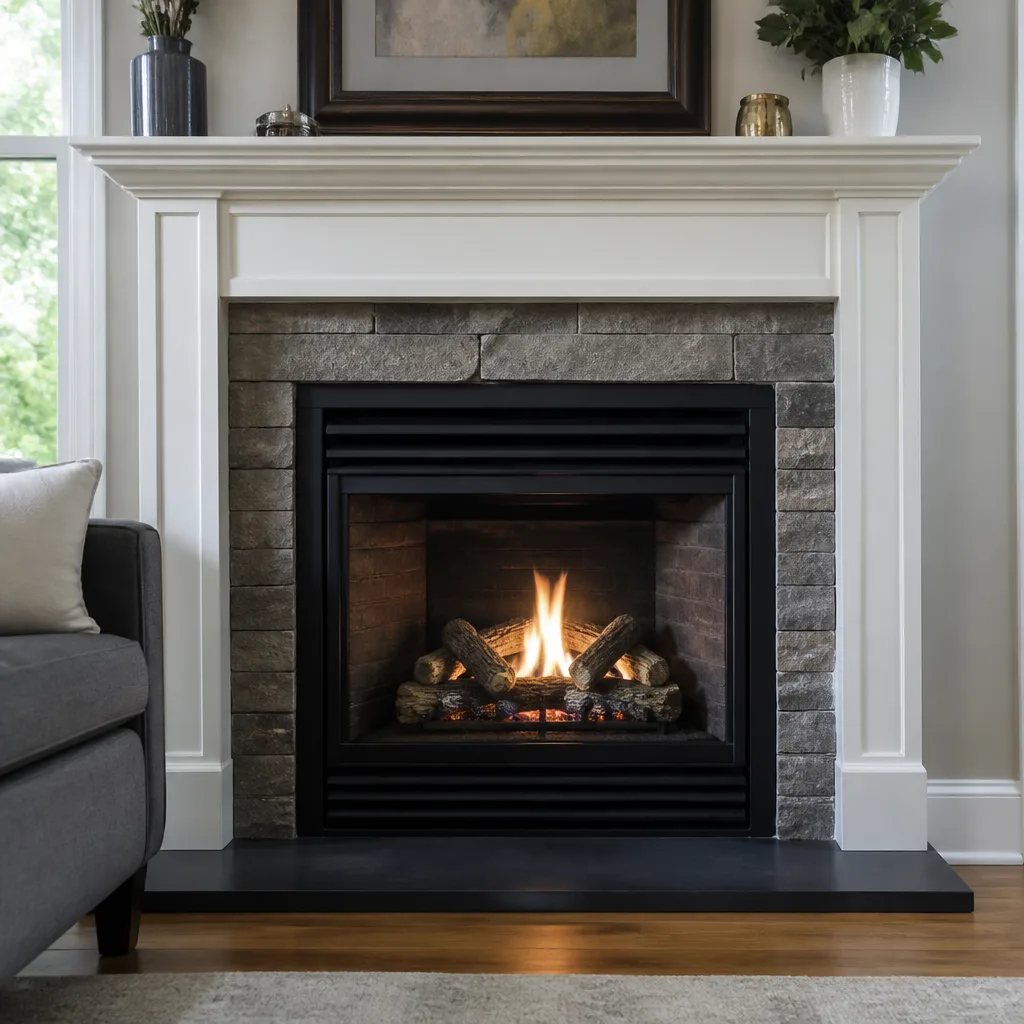 Gas fireplace service
Level 1 sweep and inspection to the NFPA 211 annual standard - flue, crown, cap, and flashing checked and photographed
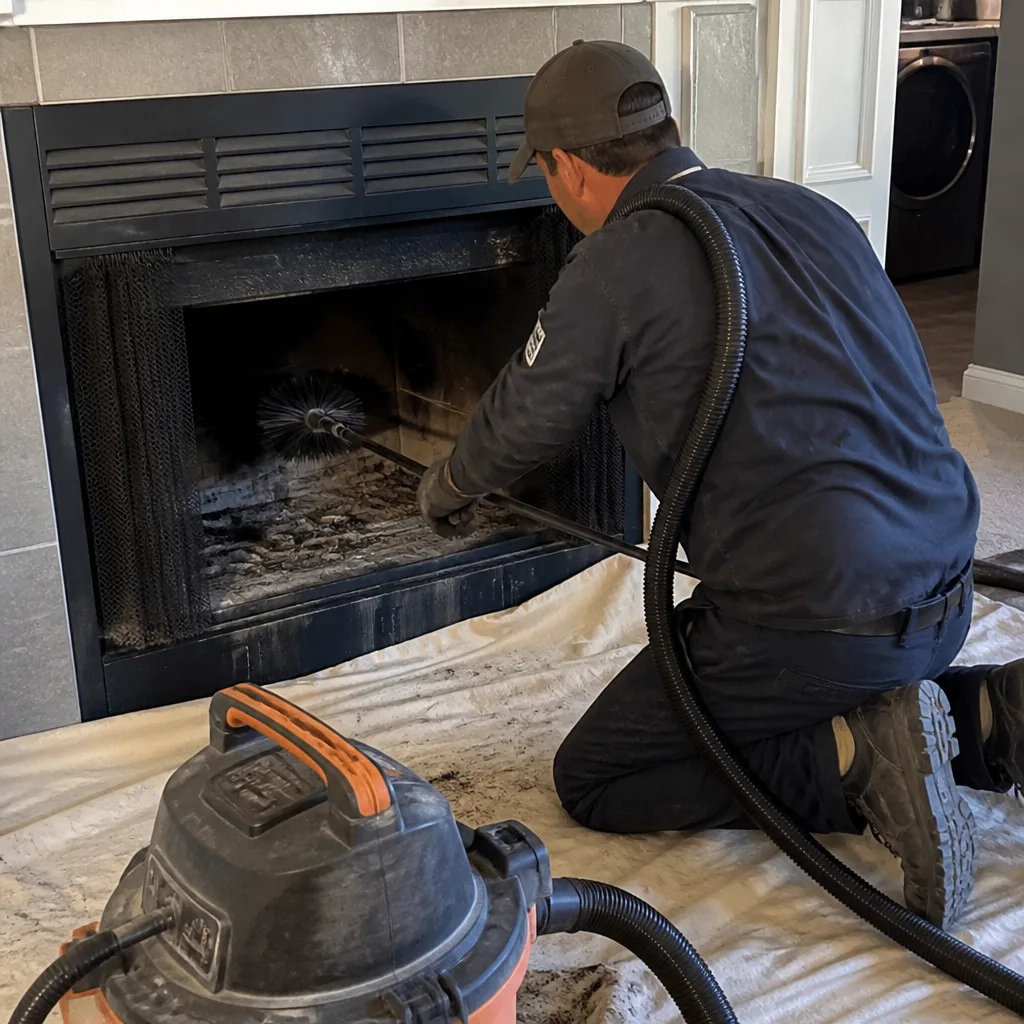
Chimney sweep logs do not sweep chimneys. They loosen some creosote - which then falls where a brush and vacuum still have to collect it.
Chimney Cleaning Permits, Codes & Inspections in CA: What You Need to Know
Relining a chimney flue in California without a permit isn’t just a code violation. It’s a material defect that a buyer’s inspector will flag, and it can unwind a home sale years after the work was done. Most Norwalk homeowners assume a chimney sweep covers everything, but sweeping is a maintenance task while relining, firebox reconstruction, and even some damper work triggers California Residential Code requirements. For a deeper look at what to watch for, see our Chimney Cleaning Warning Signs: A Norwalk Homeowner’s Reference Guide. This guide explains which chimney services are permit-exempt, which ones aren’t, and what written documentation protects you when you hire a contractor. You’ll learn the specific code sections that govern chimney work in Los Angeles County, how Title 24 energy code intersects with firebox and damper repairs, and what a proper inspection actually includes beyond the visual sweep.
Styles & brands we work with
- Sweep & inspection
- Caps & crowns
- Flue relining
- Masonry repair
- Gas fireplace service
Quick Answer
Routine chimney sweeping and cleaning do not require a permit anywhere in California, including Norwalk. However, structural repairs like flue relining, firebox rebuilding, and damper replacement generally do require a permit under the California Residential Code (CRC) and local Los Angeles County amendments. Any contractor who tells you otherwise is putting your home’s resale value and your family’s safety at risk. Before repair work begins, get the permit status in writing.
Table of Contents
- Chimney Cleaning vs. Chimney Repair: What Needs a Permit in California
- The California Residential Code and What It Says About Chimney Systems
- What Norwalk and Los Angeles County Enforce Specifically
- NFPA 211: The Standard That Actually Governs Chimney Cleaning and Inspection
- Title 24 Energy Code and Chimney Work: The Intersection Most Homeowners Miss
- Unpermitted Liner Work: The Resale Trap Explained
- What a Real Chimney Inspection Covers Beyond the Sweep
- What to Ask Your Contractor in Writing Before Any Repair Begins
- Common Mistakes to Avoid
- When to Call a Professional
- Frequently Asked Questions
- The Bottom Line
Chimney Cleaning vs. Chimney Repair: What Needs a Permit in California
Here’s the split in plain terms. Sweeping a flue, removing creosote, brushing soot from the smoke chamber, and cleaning the firebox are all maintenance activities. No permit required, no inspection triggered, no paperwork filed with the building department. The same goes for replacing a chimney cap, repointing minor surface mortar, or swapping out a damper plate that’s the same size and type as the original. These are considered repairs in kind.
But the moment work changes the structure or the flue’s function, the California Residential Code kicks in. Relining a flue with a stainless steel system like DuraFlex or resurfacing deteriorated flue walls with HeatShield compound is a structural alteration under Section R1003 of the CRC. Firebox reconstruction that changes dimensions or materials is permit-triggered. Replacing a throat damper with a top-sealing damper, or installing a damper where none existed, is also permit work because it modifies the fireplace’s draft and combustion air profile.
In Norwalk, the building department follows the Los Angeles County amendments to the CRC, and the threshold for what counts as “alteration” versus “maintenance” is stricter than many homeowners expect. We’ve seen homeowners in Norwalk neighborhoods get flagged during a roof permit inspection because a contractor had relined the flue years earlier without pulling permits. The roof was fine. The unpermitted liner sank the deal.
Here’s the service-by-service breakdown:
- Chimney sweeping and flue brushing: No permit, ever. This is maintenance under California law.
- Chimney cap replacement: No permit if it’s a like-for-like swap. A different style or size may trigger review.
- Minor mortar repointing on the exterior stack: No permit for surface-level tuckpointing. Structural rebuilding does require one.
- Flue relining (DuraFlex, HeatShield, or clay tile replacement): Permit required. This is a structural and fire-safety alteration.
- Firebox reconstruction: Permit required. Firebox walls contain and radiate heat, and changes here affect clearances to combustibles.
- Damper replacement (different type or first-time installation): Permit required in most Los Angeles County jurisdictions.
The pattern is simple. If the work restores what was already there, it’s maintenance. If it changes what’s there, it’s a permit project. When in doubt, call the Norwalk Building and Safety Division and ask. The phone call is free. The unpermitted work discovered at resale isn’t.
The California Residential Code and What It Says About Chimney Systems
California adopts the International Residential Code with state-specific amendments, and the result is Chapter 10 of the California Residential Code, which covers chimneys and fireplaces. Sections R1001 through R1006 address masonry fireplaces, factory-built fireplaces, and chimney clearances. If you’re a Norwalk homeowner, this is the code your fireplace must meet, plus any Los Angeles County amendments layered on top.
The sections that matter most for repair and inspection decisions:
- R1001.2 (Masonry construction): Sets minimum wall thickness for masonry chimneys and fireboxes. If your firebox has eroded bricks or missing mortar joints, it’s not meeting this section.
- R1003 (Chimney linings): Requires all masonry chimneys to have a flue lining of approved clay tile, stainless steel, or listed resurfacing material. This is the section that makes relining permit work. A cracked clay tile liner is a code failure under R1003.
- R1003.7 (Clearances from combustibles): Sets minimum distances between the outside of a chimney and framing, insulation, and other combustible materials. Norwalk homes built in the 1950s and 60s frequently miss this because construction standards were looser then.
- R1004 (Factory-built fireplaces): Governs prefabricated metal fireplaces. Installation must follow the manufacturer’s listed instructions, and any component replacement has to match the listing.
- R1006 (Chimney termination and caps): Sets height requirements above the roof and mandates a spark arrestor where conditions create fire hazard. In dry Southern California, that’s most of the year.
What this means practically: when a contractor recommends a repair, ask which CRC section the current condition violates. If they can’t answer that, they haven’t done a real code-level inspection. A chimney that’s clean is not the same as a chimney that’s safe, and the difference is often written in Chapter 10.
If you need repair work in Norwalk after reading this, our Chimney Repair in Norwalk page explains what we actually do when a code deficiency turns up during a sweep.
What Norwalk and Los Angeles County Enforce Specifically
Norwalk operates as a general law city in Los Angeles County, which means building permits flow through the Norwalk Building and Safety Division, but the enforcement posture follows Los Angeles County’s reading of the California Residential Code. In practice, that means Norwalk inspectors are more likely than inspectors in, say, rural Northern California counties to require documentation of flue liner work before they’ll sign off on a related remodel or roof permit.
Specific points that matter in Norwalk:
- LA County amendment R1003.1.1: Los Angeles County has historically been aggressive about requiring listed lining systems in any fireplace that has a change of fuel type or a significant repair history. Converting a wood-burning fireplace to gas in Norwalk typically triggers a liner review.
- Seismic considerations: Norwalk sits in a moderate seismic risk zone, and unreinforced masonry chimneys are the most common structural failure in earthquakes. A chimney with lateral cracks, spalled brick, or deteriorated mortar at the roofline may require engineering evaluation before any cosmetic repair.
- Air quality overlay: Norwalk falls under South Coast Air Quality Management District rules on wood burning. While this isn’t a building permit issue, AQMD burn-day restrictions affect how often homeowners use their fireplaces, which affects creosote buildup rates and inspection frequency.
- Rooftop access inspection: Norwalk’s flat and low-slope roof stock (common in the 1940s through 1960s tract builds) makes chimney inspection easier than in neighborhoods with steep tile roofs, but it also means roof flashing around the chimney tends to be a weak point. Water intrusion through failed flashing accelerates masonry deterioration, which cascades into liner problems.
The practical takeaway for Norwalk homeowners: if your chimney is original to a home built before 1980, assume the clay tile liner has some degree of cracking until a camera inspection proves otherwise. Norwalk’s dry climate and seasonal temperature swings put stress on masonry flues, and the county’s enforcement posture means you’ll eventually deal with it either proactively or at point of sale.
NFPA 211: The Standard That Actually Governs Chimney Cleaning and Inspection
California code tells you what’s legal to build and alter. NFPA 211 tells you what’s safe to operate. It’s the National Fire Protection Association standard for chimneys, fireplaces, vents, and solid fuel-burning appliances, and while it’s not a law in itself, California code officials and insurance companies reference it constantly. In Norwalk, a home insurance underwriter looking at a fireplace claim will default to NFPA 211’s language on inspection frequency and clearance requirements.
What NFPA 211 actually says:
- Inspection frequency: Chimneys, fireplaces, and vents should be inspected at least once a year for soundness, freedom from deposits, and correct clearances. This is the origin of the “sweep every year” guidance.
- Cleaning frequency: Chimneys must be cleaned when creosote accumulation reaches 1/8 inch for wood-burning systems. Norwalk homeowners who burn on weekends during the winter months might hit that threshold in 20 to 30 fires.
- Level inspection system: Level 1 is a basic visual check of accessible parts, appropriate when nothing has changed. Level 2 adds camera inspection of the flue interior and is required when the property is being sold, when the fuel type changes, or after a chimney fire or seismic event. Level 3 is invasive, involving removal of components to access hidden areas.
- Clearance to combustibles: NFPA 211 sets 2-inch minimum clearance for interior chimneys and 1-inch for exterior masonry chimneys. Many older Norwalk homes were built to looser standards, and this is one of the most common deficiencies a Level 2 inspection finds.
When problems do surface, our Chimney Sweep Troubleshooting: Common Problems and How to Fix Them can help you interpret what you’re seeing. Here’s the part most homeowners miss: the standard a sweeper follows determines what they can legitimately tell you about the condition of the flue. A Level 1 inspection from the roof with a flashlight cannot determine whether your clay tile liner is cracked behind the smoke chamber. That requires a Level 2 camera scan. If a company sells you a “chimney sweep” and tells you the flue is “fine,” ask what inspection level they performed and whether they have video to prove it. If they don’t, you don’t have a safety verdict, you have an opinion from a distance.
For Norwalk residents who want a baseline understanding of what a proper sweep includes, our Chimney Sweep in Norwalk page covers the level of documentation you should expect.
Title 24 Energy Code and Chimney Work: The Intersection Most Homeowners Miss
Title 24 is California’s energy efficiency code, and it applies to chimneys in one specific way that catches Norwalk homeowners off guard: dampers. A fireplace that leaks conditioned air through an open or poorly sealed damper is a direct energy loss, and Title 24 regulates how this gets addressed when fireplaces are involved in a remodel.
The relevant requirements:
- Damper sealing requirements: When a fireplace is part of a remodel that triggers Title 24 compliance, the damper must be operable and must seal effectively when closed. A damper with visible gaps around the frame, rust-through, or missing hardware does not pass.
- Outdoor combustion air provisions: For new fireplaces or significant reworks of existing ones, Title 24 requires provisions for outdoor combustion air so the fireplace doesn’t draw conditioned indoor air for combustion. Retrofitting this into an existing Norwalk fireplace typically requires a permit because it modifies the firebox or chimney base.
- Gas log conversions: Converting from wood-burning to gas inserts touches both the mechanical code (gas line work) and Title 24 (the insert’s impact on building envelope performance). Both triggers permit review in Norwalk.
- Energy audit implications: If you’re doing a larger energy retrofit and your home auditor flags the fireplace as a leakage point, repairing the damper or adding a top-sealing damper at the chimney crown becomes part of the project scope, and the building department may require documentation that the work meets current code.
The connection to permit work is direct. A contractor who replaces a throat damper with a top-sealing damper without pulling a permit hasn’t just skipped paperwork, they’ve skipped the Title 24 verification that the new component actually seals to the code’s standard. In Norwalk, where winter heating costs are part of the household budget conversation, a fireplace that leaks air year-round isn’t just an energy waste, it’s a code compliance gap that can surface during any future remodel inspection.
Unpermitted Liner Work: The Resale Trap Explained
When a Norwalk homeowner sells, the buyer’s home inspector will check the fireplace and chimney, and most inspectors in Los Angeles County now run a camera scope on flues in homes older than 1978. If the flue shows a stainless steel liner or a resurfaced surface that doesn’t match original clay tile construction, the inspector’s next question is: where’s the permit?
No permit means the seller must either:
- Disclose the unpermitted work and accept a price adjustment or credit to cover remediation,
- Retroactively legalize the work by submitting plans and having the existing condition inspected (which can fail if the work wasn’t done to code),
- Replace the unpermitted system entirely to clear the disclosure obligation,
- Cancel the sale, which in a falling market means relisting with the defect now visible to every subsequent buyer.
We’ve seen this play out in Norwalk. A homeowner in the Carmenita area had a liner installed in 2015 by a contractor who said permits weren’t necessary. In 2023, the buyer’s inspector flagged the liner as unpermitted, and the escrow nearly collapsed. The seller ended up paying for a permit review, a Level 2 inspection, and a retrofit repair because the original liner installation didn’t meet R1003 clearances at the smoke chamber transition. The final cost of doing it right years later was roughly triple what the original work cost.
The buyer-side risk is equally real. Buying a Norwalk home with unpermitted liner work means you inherit the liability, and your homeowner’s insurance company is within its rights to deny a chimney fire claim based on non-permitted alteration. That’s not a negotiation, it’s a policy exclusion.
The fix is simple. Before any relining or resurfacing project, confirm the contractor has pulled a permit. Ask to see the permit number. Verify it with the Norwalk Building and Safety Division. If the contractor says permits “aren’t required for this,” get that in writing and call the city yourself. The phone call takes ten minutes.
What a Real Chimney Inspection Covers Beyond the Sweep
A sweep and an inspection are different services, and Norwalk homeowners should understand what they’re getting. A sweep removes creosote and soot from the flue walls so the system is safe to operate. An inspection evaluates whether the system should operate at all.
A proper Level 2 inspection, which is the minimum we’d recommend for any chimney that hasn’t been camera-scoped in the last three years, covers these elements from the firebox to the cap:
- Firebox condition: Cracked firebrick, eroded mortar joints, and gaps at the lintel are all examined. Firebox damage is direct evidence that heat has escaped the intended containment zone.
- Smoke chamber walls: This is the transition area between the firebox and the flue, and it’s where smoke turbulence deposits creosote fastest. Camera footage here almost always tells you more than the flue itself.
- Flue liner condition: Every horizontal crack, spalled clay tile surface, and mortar joint failure gets documented on video. This is the evidence used to determine whether relining or resurfacing is actually warranted.
- Chimney crown and cap: The crown is the concrete top that sheds water away from the flue, and hairline cracks here are the leading cause of water intrusion into the masonry. Damaged caps also let rain, debris, and birds into the flue.
- Exterior masonry: Spalling brick, bulging sections, deteriorated mortar, and water staining are evaluated for structural significance. In a seismic zone like Norwalk, this step matters more than in non-earthquake regions.
- Clearances to combustibles: This requires attic access when the chimney is interior, and it’s the check most sweep-only companies skip. Norwalk attics with original 1950s framing frequently show combustible materials touching the chimney chase.
- Damper function: The damper should open and close fully, seal tightly when closed, and show no rust-through. A failed damper is an energy loss, a draft problem, and a repair item.
After the inspection, you should leave with a written report and camera footage. Not a verbal summary. Not a note on the receipt. Actual video files or a cloud link you can review yourself. From the firebox to the cap, every component inspected means every component documented. That documentation is what protects you if a repair is recommended, because it’s the evidence that justifies the work.
For homeowners dealing with both chimney and laundry ventilation concerns, we cover dryer exhaust safety on our Dryer Vent Cleaning in Norwalk page.
What to Ask Your Contractor in Writing Before Any Repair Begins
You’re about to spend thousands of dollars on a chimney system that, if done wrong, could burn your house down or block a home sale. The bar for documentation should be high. Here’s what to request in writing before any work starts:
- Permit determination in writing: Ask the contractor to state, on their letterhead or invoice, whether the specific scope of work requires a permit under the current California Residential Code and Norwalk’s local amendments. If they say no, they should cite the code section they’re relying on. If they say yes, they should provide the permit application number before mobilization.
- Scope of work with named materials: Not “stainless steel liner.” Exactly which system and which brand. DuraFlex liner systems, HeatShield resurfacing compound, Copperfield components. Named materials mean you can verify what was installed against what was specified, and they indicate the contractor sources from professional supply channels rather than hardware-store substitutes.
- Inspection level and method: If a camera inspection is part of the pre-repair scope, it should say “Level 2 per NFPA 211 with video documentation provided to homeowner.” If you’re paying for a camera view, you should own the footage.
- Manufacturer installation compliance: For liner systems and resurfacing products, the contractor should confirm installation will follow the manufacturer’s listed instructions. This matters because code compliance for listed systems is tied to listed installation methods.
- Warranty terms in writing: What’s covered, for how long, and what voids it. A verbal “lifetime warranty” is worthless at year three when the company doesn’t answer the phone.
- Insurance certificate: Confirm the contractor carries workers’ compensation and general liability insurance. Roof work is inherently risky, and an uninsured worker injured on your property in Norwalk becomes your liability.
Here’s the test. A legitimate contractor will provide all of this without hesitation. A contractor who stalls, tells you “don’t worry about it,” or pressures you to start without paperwork is telling you something important about how they do business. Listen.
Common Mistakes to Avoid
- Taking “no permit needed” at face value without verifying. Call the Norwalk Building and Safety Division yourself. Verification takes ten minutes. The unpermitted liner discovered at resale costs thousands.
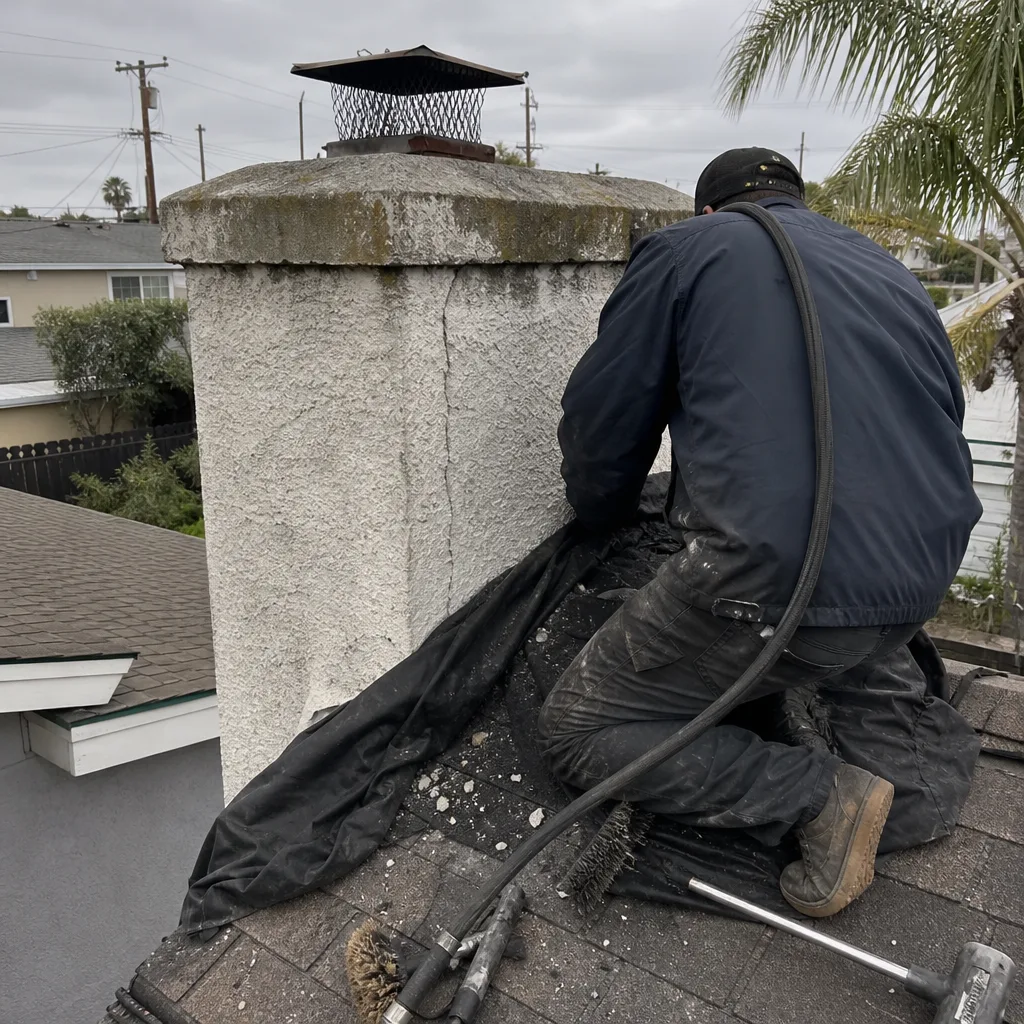
- Paying for a “sweep” that’s actually just a vacuum from the firebox. A real sweep cleans the full flue length. If the technician never goes on the roof or never brushes from the top down, the upper flue wasn’t cleaned.
- Accepting a visual verdict on liner condition without camera footage. You can’t see a cracked clay tile liner behind the smoke shelf from the roof with a flashlight. If a contractor says the liner is fine and shows you no video, you don’t have a verdict.
- Using a generalist handyman for fireplace and flue repairs. The CRC’s requirements for masonry fireplaces are specific and strict. A handyman who does drywall and tile is not a chimney specialist, and the mistakes show up in resale inspections.
- Ignoring dryer vent cleaning while you’re at it. Dryer vent fires are one of the leading causes of residential fires nationwide, and chimney-only companies never address them. One call covers your chimney and your dryer vent if you hire a full-service chimney company.
- Assuming a house built before 1980 meets current clearance standards. It probably doesn’t. Norwalk homes from the 1940s through 1960s routinely show combustible materials touching chimney chases in the attic, a condition that violates both current code and NFPA 211.
- Treating a chimney fire as a close call and moving on. A chimney fire damages the flue liner even when the house doesn’t burn. Norwalk homeowners who experience one should have a Level 2 camera inspection before the next burn season, regardless of how things “look” from the outside.
When to Call a Professional
Call a professional if you haven’t had a camera inspection in the past three years, if you’ve experienced a chimney fire, if you’re buying or selling a Norwalk home with an older fireplace, or if you see spalling brick, water stains on the ceiling near the chimney, or creosote visible in the firebox. Also call if your damper doesn’t seal, if smoke enters the room, or if you’re converting from wood to gas. These are the conditions where the next step is diagnosis, not DIY. Chimney Repair Norwalk offers free estimates in Norwalk. Call (855) 942-0212 to book an inspection, and we’ll camera-scope the flue and show you the footage ourselves. We don’t just sweep, we repair what we find, and we’re a Chimney Repair Norwalk home company you can actually reach on the phone.
Frequently Asked Questions
No. Routine chimney sweeping, creosote removal, and flue brushing are maintenance activities and do not require a permit anywhere in California, including Norwalk. Permits only come into play when structural repairs alter the chimney system, such as relining, firebox reconstruction, or damper replacement.
Flue relining with stainless steel or resurfacing compound, firebox rebuilding that changes dimensions or materials, damper replacement with a different type, and any work that alters the flue’s function all trigger permit requirements under the California Residential Code. Like-for-like replacements such as chimney cap swaps and surface mortar repointing are typically exempt. Call (855) 942-0212 for guidance on your specific situation.
NFPA 211 recommends inspection at least annually and cleaning when creosote accumulation reaches 1/8 inch. Norwalk homeowners who burn wood on winter weekends typically need a sweep every year or every other year, depending on burn frequency and wood quality. A camera inspection every three years is a reasonable baseline even for light-use fireplaces.
NFPA 211 is the National Fire Protection Association standard for chimneys, fireplaces, and solid fuel-burning appliances. California code officials and insurance providers reference it for inspection frequency, cleaning thresholds, and clearance requirements. It defines three inspection levels, with Level 2 (which includes camera scoping) required for home sales, fuel type changes, and post-chimney-fire evaluations.
You can, but you’ll likely face a disclosure requirement once the buyer’s inspector flags the unpermitted work, and that usually means a price adjustment, retrofit permitting, or system replacement. Unpermitted liner work is one of the most common chimney-related escrow delays in Los Angeles County. Call (855) 942-0212 if you need a pre-listing inspection.
No. Dryer vent cleaning is governed by different standards (primarily the manufacturer’s installation instructions and local mechanical code requirements), but it’s equally important for fire safety. Lint-clogged dryer exhaust is a leading cause of residential fires. Our Dryer Vent Cleaning in Norwalk service addresses this specific hazard that chimney-only companies skip.
The Bottom Line
Chimney cleaning in Norwalk or anywhere else in California never requires a permit. But the line between cleaning and repair is where permit requirements live, and the contractor who blurs that line is creating a liability you’ll own. Ask for permit determinations in writing. Demand camera documentation of any inspection. Verify materials by name, whether it’s a DuraFlex liner system or a HeatShield resurfacing application. And if you’re not sure whether your chimney needs a sweep or a repair, call (855) 942-0212 for a free estimate. A chimney that’s clean is not the same as a chimney that’s safe, and in Norwalk, the difference is documented in the code.
Written by the team at Chimney Repair Norwalk, serving Norwalk since 2017. Explore more guides & resources on our blog.
See the difference
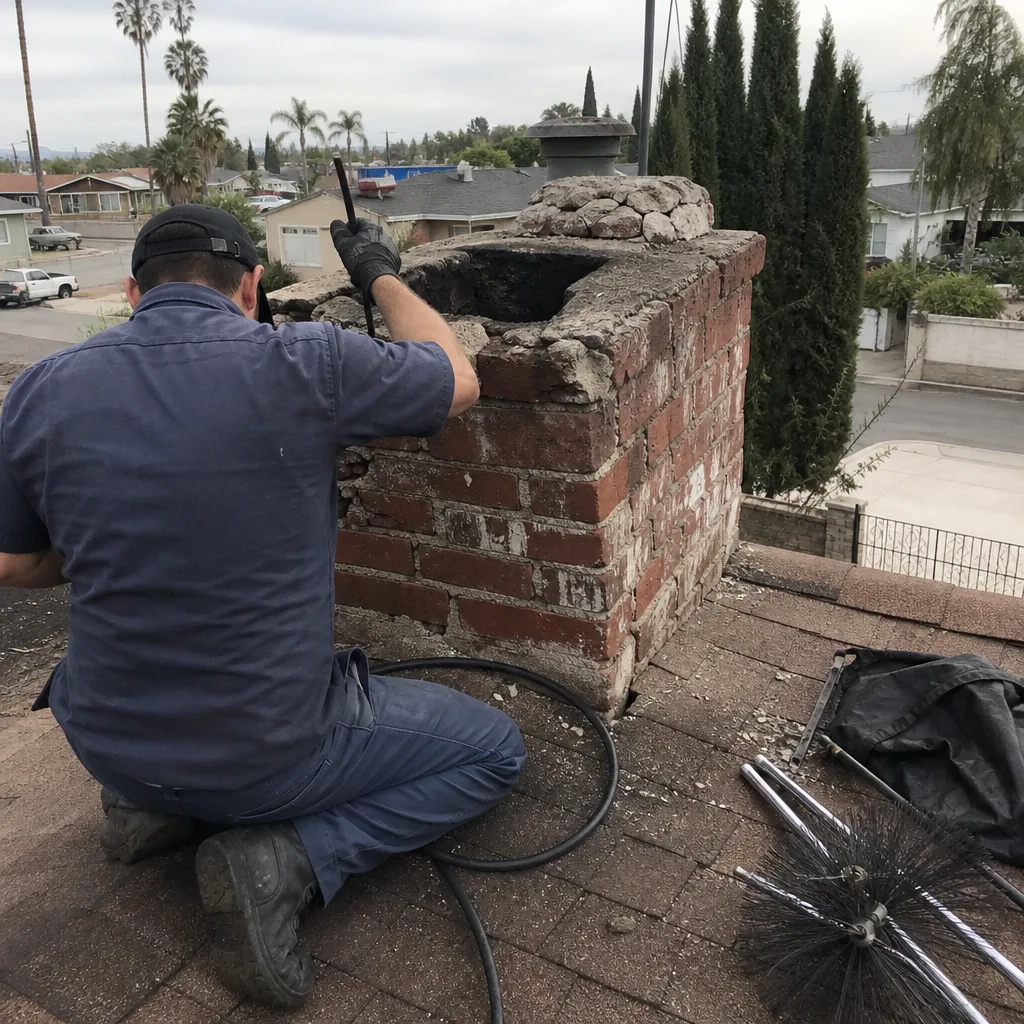 Before
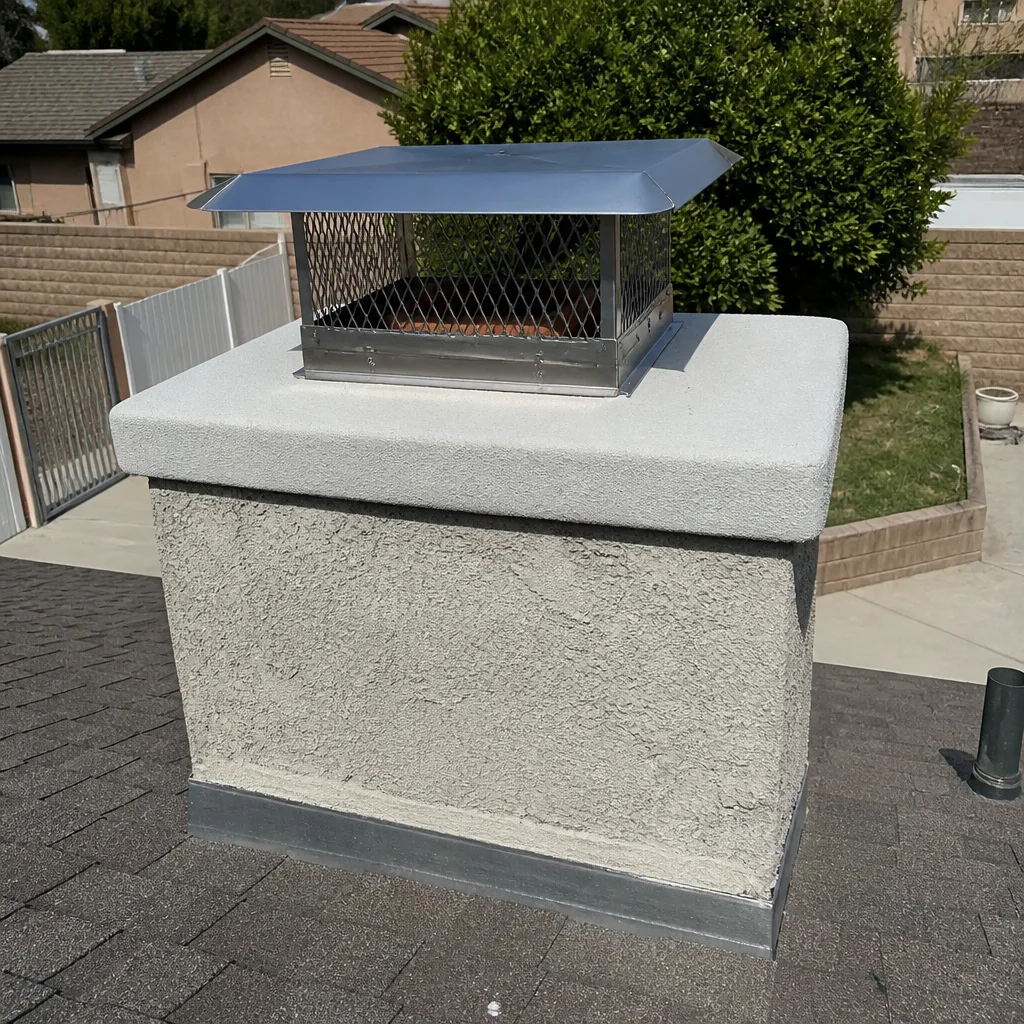 After
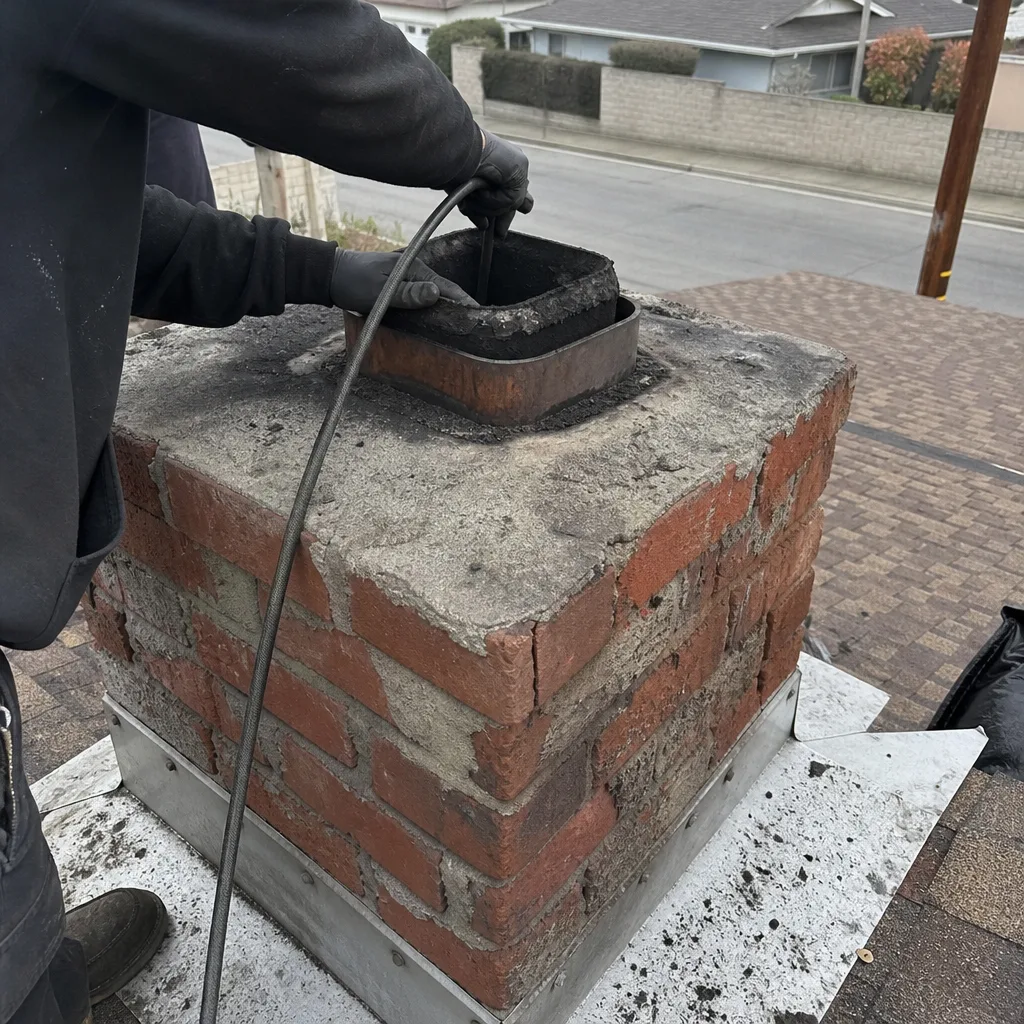 Before
 After
 Before
 After