
Last updated November 2, 2026
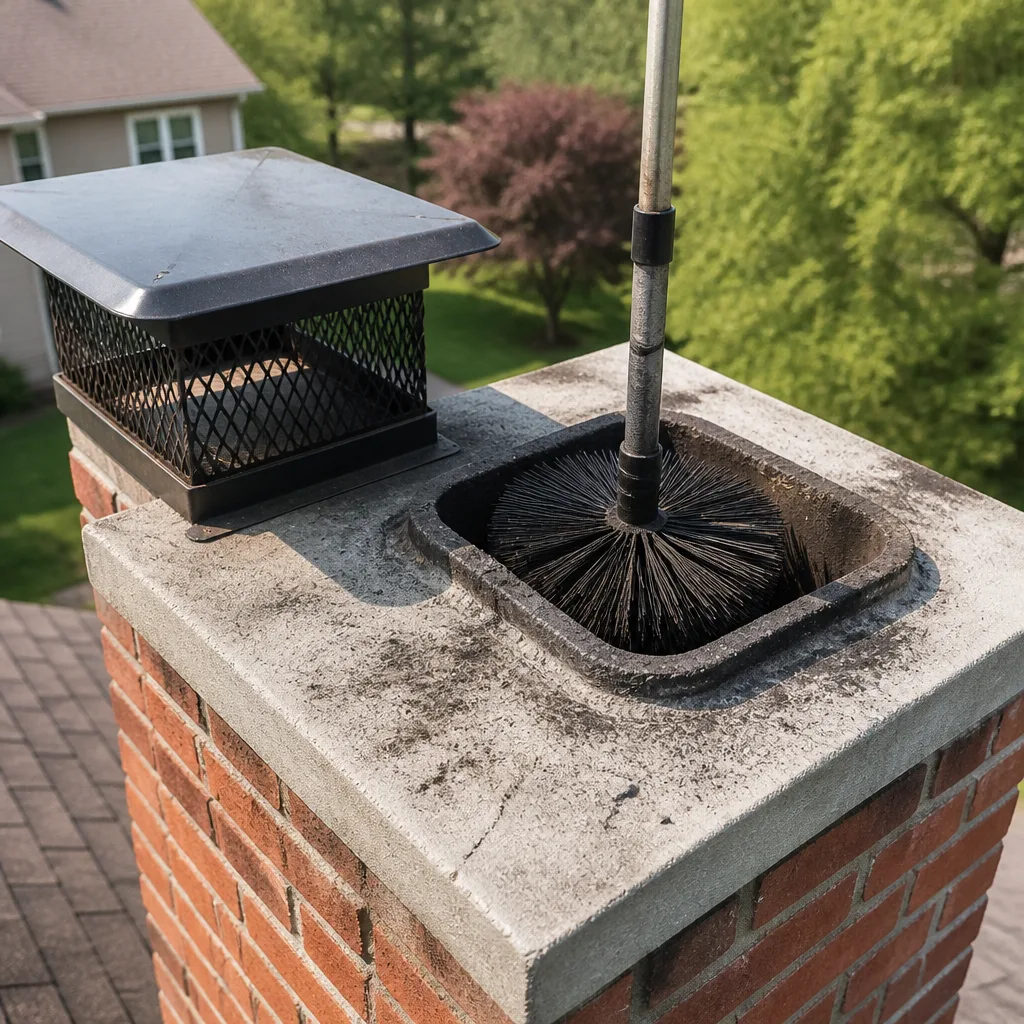 Sweep & inspection
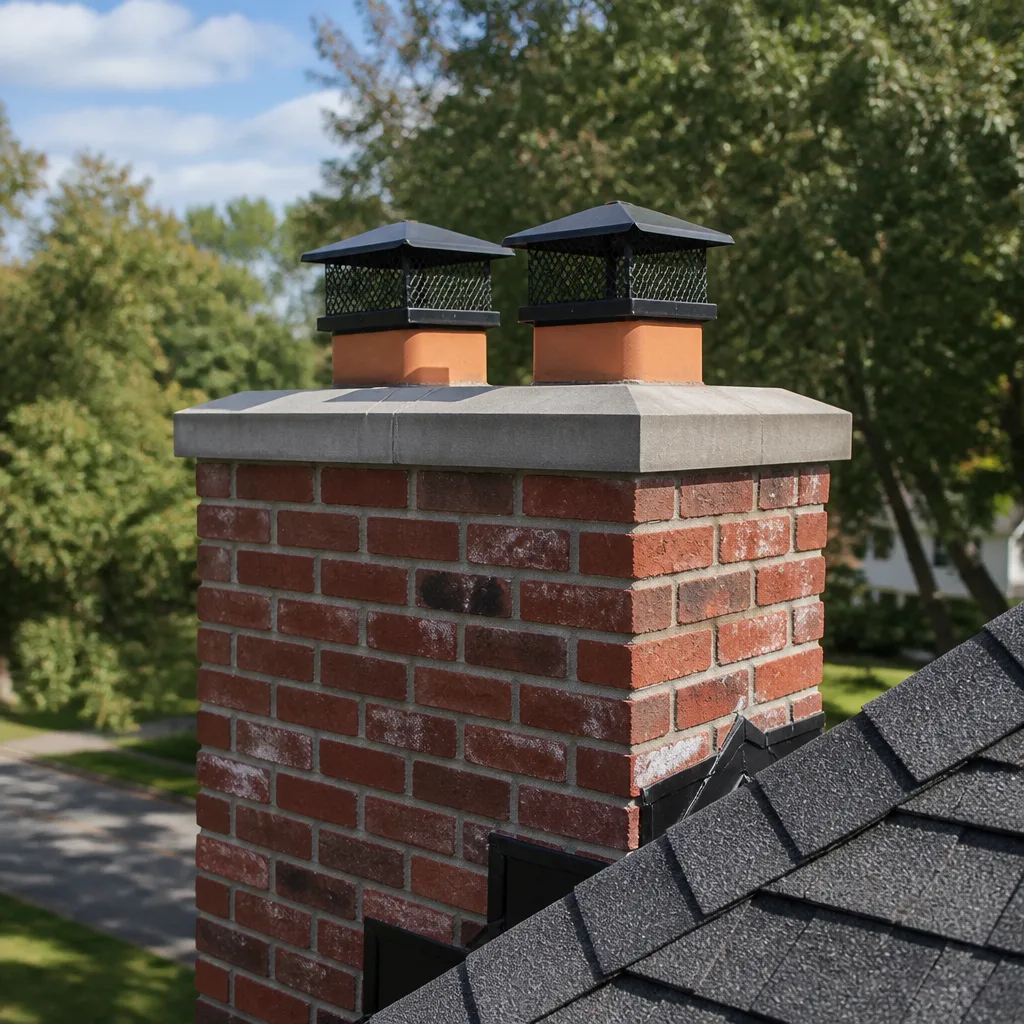 Caps & crowns
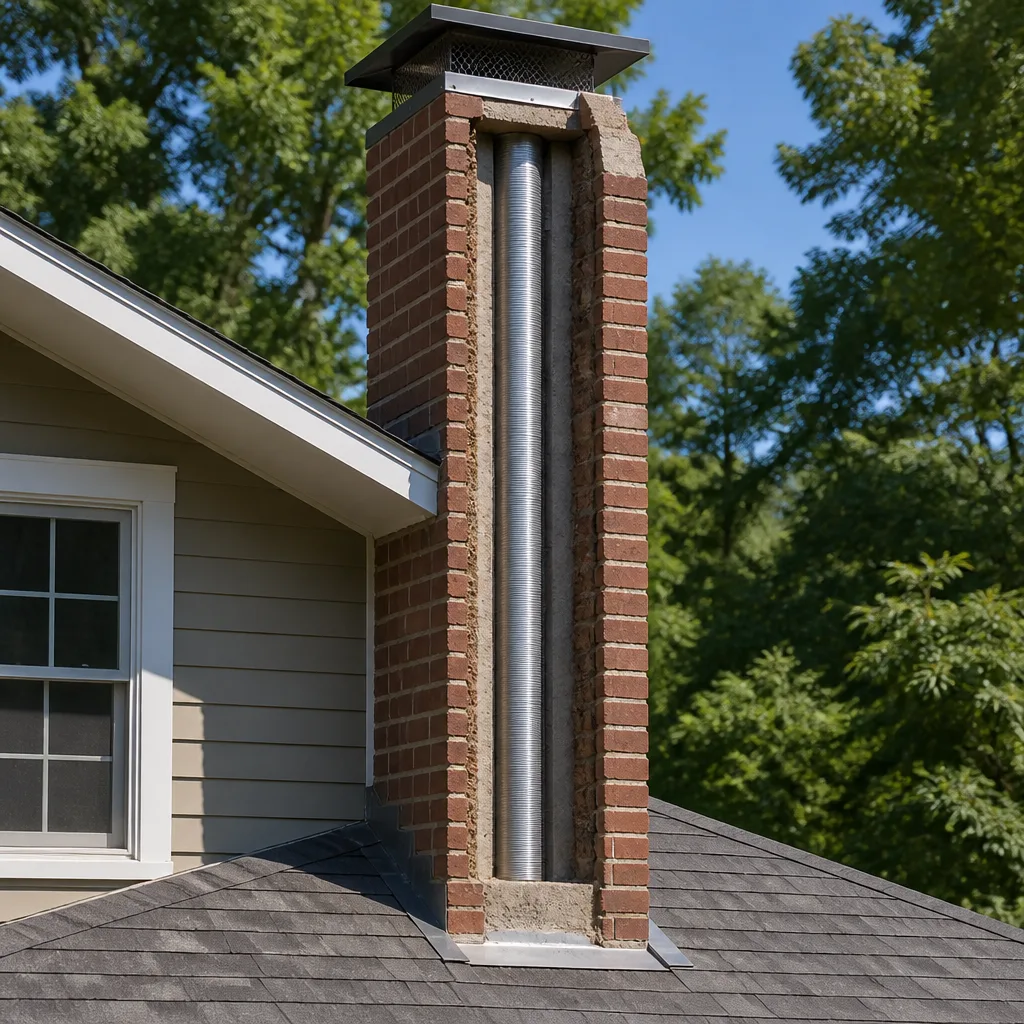 Flue relining
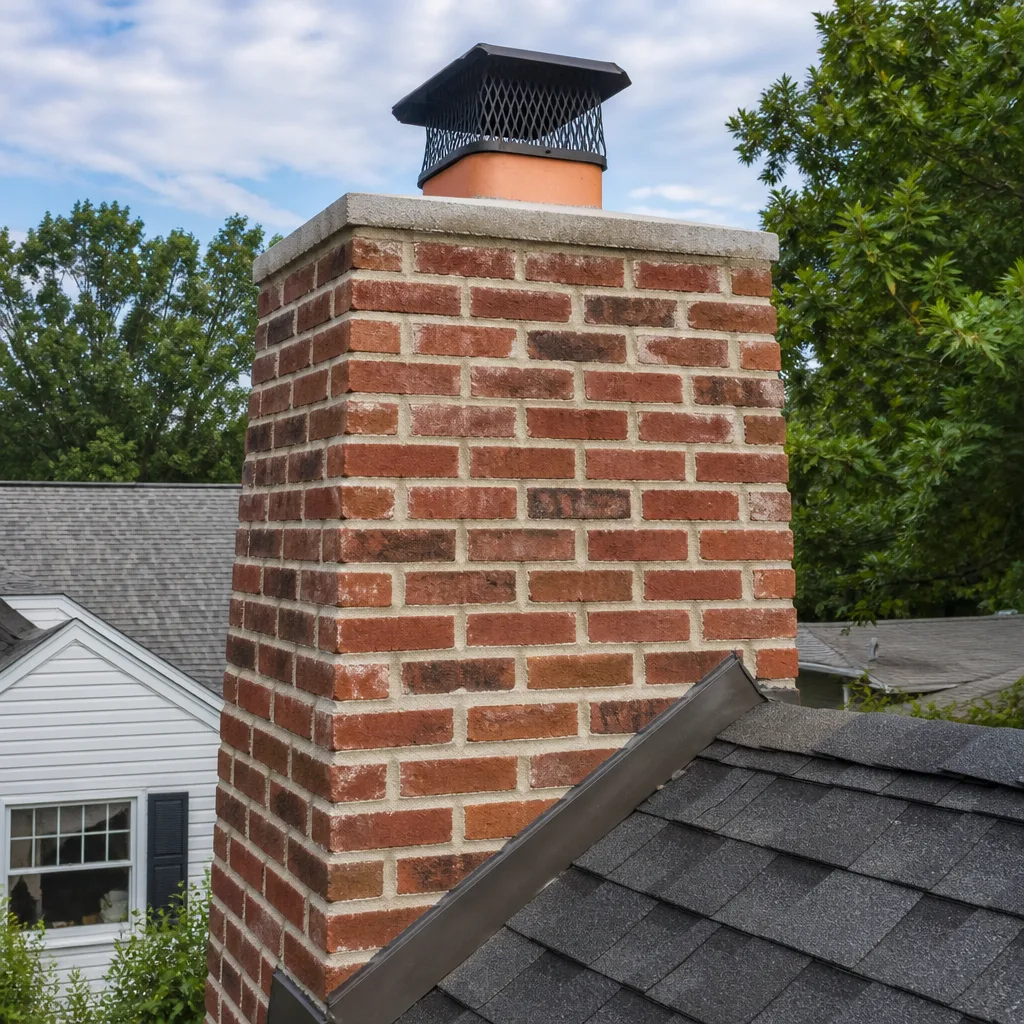 Masonry repair
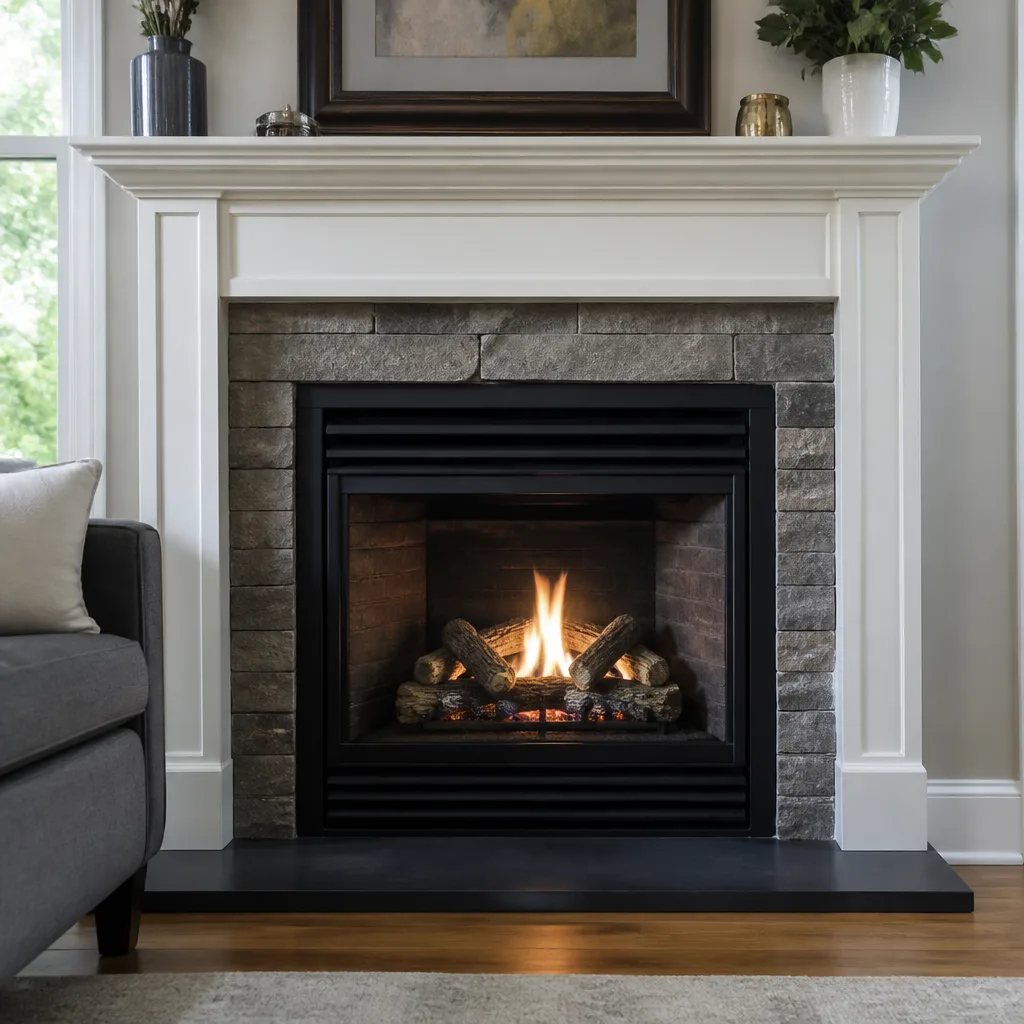 Gas fireplace service
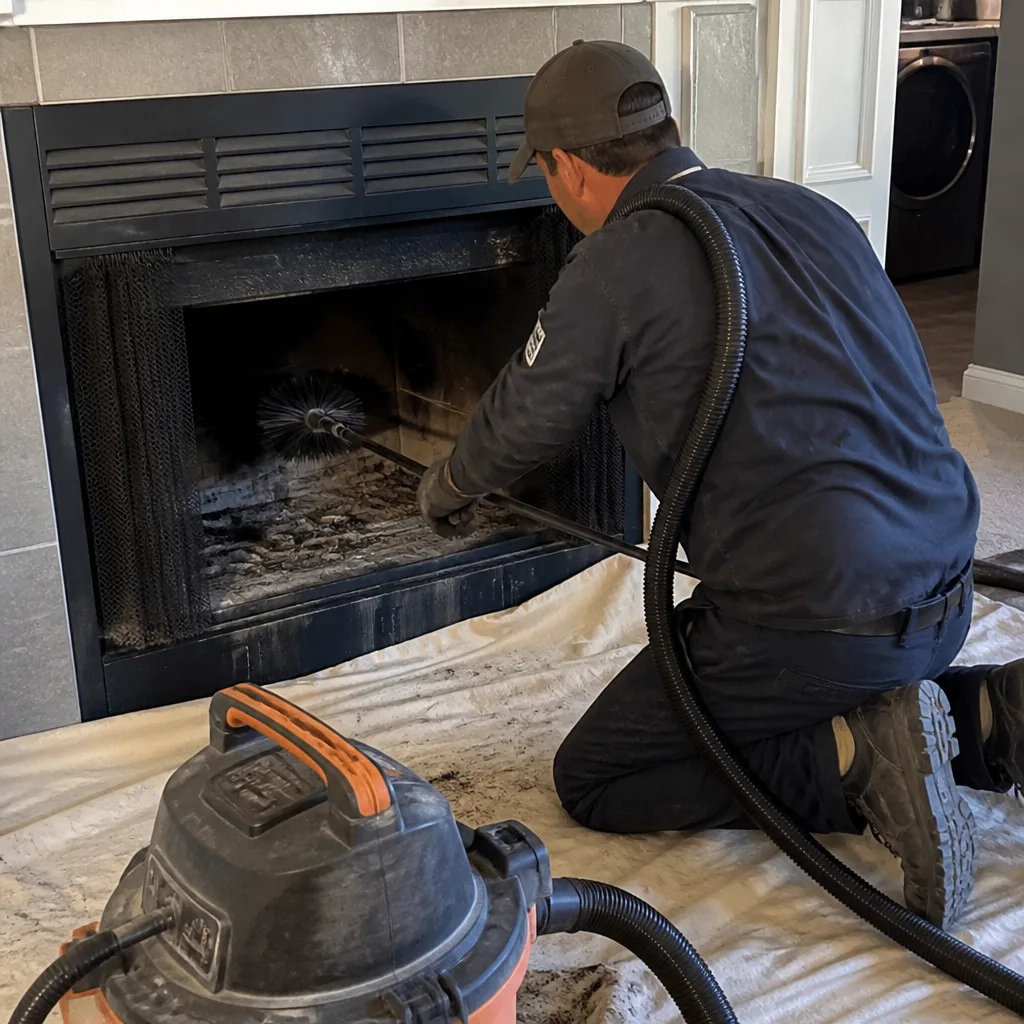
Level 1 sweep and inspection to the NFPA 211 annual standard - flue, crown, cap, and flashing checked and photographed
Chimney sweep logs do not sweep chimneys. They loosen some creosote - which then falls where a brush and vacuum still have to collect it.
Chimney Cleaning Warning Signs: A Norwalk Homeowner’s Reference Guide
A white stain running down your brick exterior isn’t a cosmetic issue. It’s efflorescence, which means water is moving through your masonry, and the source is almost never where the stain appears. Most Norwalk homeowners miss chimney problems for years because the warning signs are subtle. A faint smell after rain, a puff of smoke when you open the door, a few flakes of mortar on the hearth. This guide walks through the eight specific signs that actually matter, what each one means about the condition of your system, and which ones mean you should stop using the fireplace until it’s inspected. For ongoing care, see our Chimney Sweep Maintenance Checklist for Norwalk Homeowners.
Quick Answer
The warning signs that indicate your chimney needs attention include smoke spilling back into the room, a persistent damp or musty odor, white staining on exterior brick, deteriorating mortar joints, a rusted damper, a damaged chimney cap, spalling brick faces, and visible creosote buildup on the smoke shelf. Any one of these signals a specific failure in your chimney system. Some mean schedule a sweep. Others mean stop burning until a professional looks at it. The distinction matters because a chimney that’s clean is not the same as a chimney that’s safe. For help interpreting what you’re seeing, our Chimney Sweep Troubleshooting: Common Problems and How to Fix Them breaks down each symptom and its likely cause.
Styles & brands we work with
- Sweep & inspection
- Caps & crowns
- Flue relining
- Masonry repair
- Gas fireplace service
Table of Contents
- 1. The Odor You Can’t Quite Place
- 2. Smoke Spillback: Why It Deserves Its Own Section
- 3. White Staining on Exterior Brick (Efflorescence)
- 4. Crumbling Mortar Joints
- 5. A Rusted or Sticking Damper
- 6. A Damaged or Missing Chimney Cap
- 7. Spalling Brick Faces
- 8. Visible Creosote on the Smoke Shelf
- Common Mistakes to Avoid
- When to Call a Professional
- Frequently Asked Questions
1. The Odor You Can’t Quite Place
A damp, musty smell coming from your fireplace is one of the most common but least understood warning signs in Norwalk homes. Homeowners often describe it as smelling like wet campfire, old basement, or something vaguely acrid that gets worse after rain or during humid weather. What you’re actually smelling is creosote absorbing moisture from the air. Creosote is hygroscopic, meaning it pulls water vapor toward itself. When humidity rises, the creosote deposits inside your flue swell and release odor that drifts down into the living space.
The odor tells you two things. First, there’s enough creosote buildup to matter, which means a sweep is past due. Second, moisture is present in the system, which means water is getting in somewhere. The solution to the smell is not an air freshener or a scented candle. It’s removing the creosote through a proper sweep and finding the source of the moisture. A Chimney Sweep in Norwalk can address both. Common moisture entry points we see in Norwalk include a damaged chimney cap, cracked crown mortar, and missing flashing where the chimney meets the roofline.
Is this a clean-soon or stop-burning sign? Odor alone is usually a clean-soon sign. But if the smell is accompanied by visible moisture stains on interior walls near the fireplace or a persistent dampness in the firebox, stop using it and get an inspection. Moisture plus creosote can accelerate flue liner deterioration far faster than most homeowners realize.
2. Smoke Spillback: Why It Deserves Its Own Section
Smoke entering the room instead of going up the chimney is the warning sign that gets the most attention, but it’s also the one most commonly misdiagnosed. Homeowners tend to assume it’s a dirty flue and schedule a sweep. Sometimes that’s correct. But smoke spillback, or backdrafting, has at least four distinct causes, and they require different fixes. If you treat it as a simple cleaning issue and the real problem is something else, the smoke will return.
The four causes of smoke backdrafting are:
- Creosote restriction: Enough buildup on the flue walls narrows the passage and restricts draft. This is the classic dirty-chimney scenario and a sweep resolves it.
- Blockage: A bird’s nest, fallen masonry, or accumulated debris physically blocks the flue. This is more common in Norwalk than many homeowners realize because our dry, mild climate makes chimneys attractive nesting sites during the off-season.
- Pressure differential: If your home is tightly sealed, running an exhaust fan, or if wind conditions create negative pressure, the chimney can’t draw properly. Modern windows, weatherstripping, and attic insulation have made this more common in renovated Norwalk homes.
- Damper failure or sizing issues: A damper that won’t open fully, or a flue that’s improperly sized for the fireplace opening, restricts airflow from the start.
When you call about smoke spillback, be prepared to describe exactly when it happens. Does it happen every time you use the fireplace, or only on certain days? Only when you also have the kitchen exhaust running? Does it happen at startup or after the fire has been going a while? These details help a sweep diagnose the issue correctly on the first visit rather than guessing.
Norwalk-specific concern: Our region’s occasional seismic activity can crack flue tiles invisibly. A cracked flue lining may not show any exterior symptom at all. You might only notice smoke issues, poor draft, or a fire that’s harder to start. If you’ve had a sweep and the smoke problem persists, the next step is a camera inspection of the flue interior. That’s the only way to see what’s actually happening inside the masonry.
From the firebox to the cap, every component needs to be evaluated. Smoke problems are rarely solved by guesswork.
3. White Staining on Exterior Brick (Efflorescence)
Efflorescence is that chalky white residue that appears on brick faces, and it’s the most misinterpreted sign in all of chimney maintenance. Many Norwalk homeowners assume it’s just what brick does as it ages, or they try to scrub it off with a wire brush. But efflorescence isn’t a stain. It’s a symptom.
Here’s the mechanism. Water enters the masonry system somewhere, dissolves soluble salts naturally present in the brick and mortar, then migrates to the surface. When the water evaporates, the salts crystallize into that white powder. This means water is actively cycling through your masonry. The source of the water entry is rarely where the staining appears. Water can enter through a cracked crown at the top of the chimney, travel down behind the brick face, and emerge as staining near the base. Scrub it off and it comes back within months because you never addressed the actual moisture path.
What to watch for: New efflorescence that appears after rain events, staining that’s spreading rather than fading, or any flaking of the brick surface alongside the white deposit. These indicate active water intrusion, not old staining from a previous issue. Left unresolved, the freeze-thaw cycles during Norwalk’s rare but real cold snaps can force the brick faces apart. In our dry climate, it’s easy to think water isn’t a problem. It is. It’s just slower and more insidious.
A proper diagnosis requires checking the chimney crown, the cap, the flashing, and the masonry surface itself. A Chimney Repair in Norwalk inspection covers these points. The fix might be as simple as resealing the crown or as involved as rebuilding a section of brick. But the first step is identifying where the water actually gets in.
4. Crumbling Mortar Joints
Mortar holds your chimney’s bricks together, and it’s designed to be a sacrificial material. Over time, weather exposure breaks mortar down so the bricks themselves don’t have to absorb that stress. But when mortar joints crumble and disappear, the structural integrity of the whole chimney stack is compromised.
Walk outside and look at your chimney with fresh eyes. Run your finger along a mortar joint. If it feels sandy, if pieces flake away with light pressure, or if you can see gaps where mortar used to be, you’re looking at deteriorating joints. This is called spalling mortar, and it’s the early stage of a problem that eventually becomes much more expensive. Water gets into the gaps, accelerates the deterioration, and starts damaging the brick themselves.
What crumbling mortar signals: The chimney is no longer shedding water properly. The mortar joints are the primary drainage system for a masonry chimney, channeling water down and away from the structure. When they fail, water sits in the masonry. And when Norwalk does get rain, even our moderate amounts are enough to cause progressive damage over several seasons.
Repairs here are not optional. A process called tuckpointing removes the damaged mortar and replaces it to proper depth, restoring both structural strength and water resistance. This is a skilled repair that involves matching mortar composition to the existing brick so expansion rates stay consistent. Using the wrong mortar mix, typically one that’s too hard for older brick, causes the bricks themselves to crack under thermal stress. Professional-grade materials matter. We work with Olympia Chimney supply products for masonry repairs because the material spec has to be right the first time. Hardware-store patch mixes don’t meet that standard.
5. A Rusted or Sticking Damper
The damper is a simple mechanism, a metal plate that seals the flue when the fireplace isn’t in use and opens to allow draft when you’re burning. Because it’s simple, homeowners rarely think about it until it fails. But a damper that’s rusted, warped, or won’t move through its full range is telling you something specific about what’s happening above it.
Rust on the damper means water has been entering the flue consistently enough to cause corrosion. Dampers sit at the top of the firebox, exposed to whatever comes down the chimney. If your damper is rusted, water is getting past the chimney cap and likely running down the flue interior. This is the same water that’s deteriorating mortar and flue tiles above. The damper is just the most visible casualty.
A damper that sticks or won’t close fully is also a problem in both directions. It means cooled or heated air from your home is escaping up the chimney whenever the fireplace isn’t in use. It means the draft you need for a clean-burning fire is hard to establish. And if the damper can’t seal properly, it’s not doing its job of keeping wildlife and debris out of the flue during the off-season.
Test it: The next time you’re at the fireplace, move the damper handle or lever through its full range. It should move smoothly and seat firmly in both open and closed positions. If it grinds, sticks, or won’t close all the way, that’s a sign to get the system checked. Damper replacement is straightforward work, and it’s one of the repairs we handle directly. The bigger question is always why the damper failed. A new damper doesn’t help if water is still pouring in from above.
6. A Damaged or Missing Chimney Cap
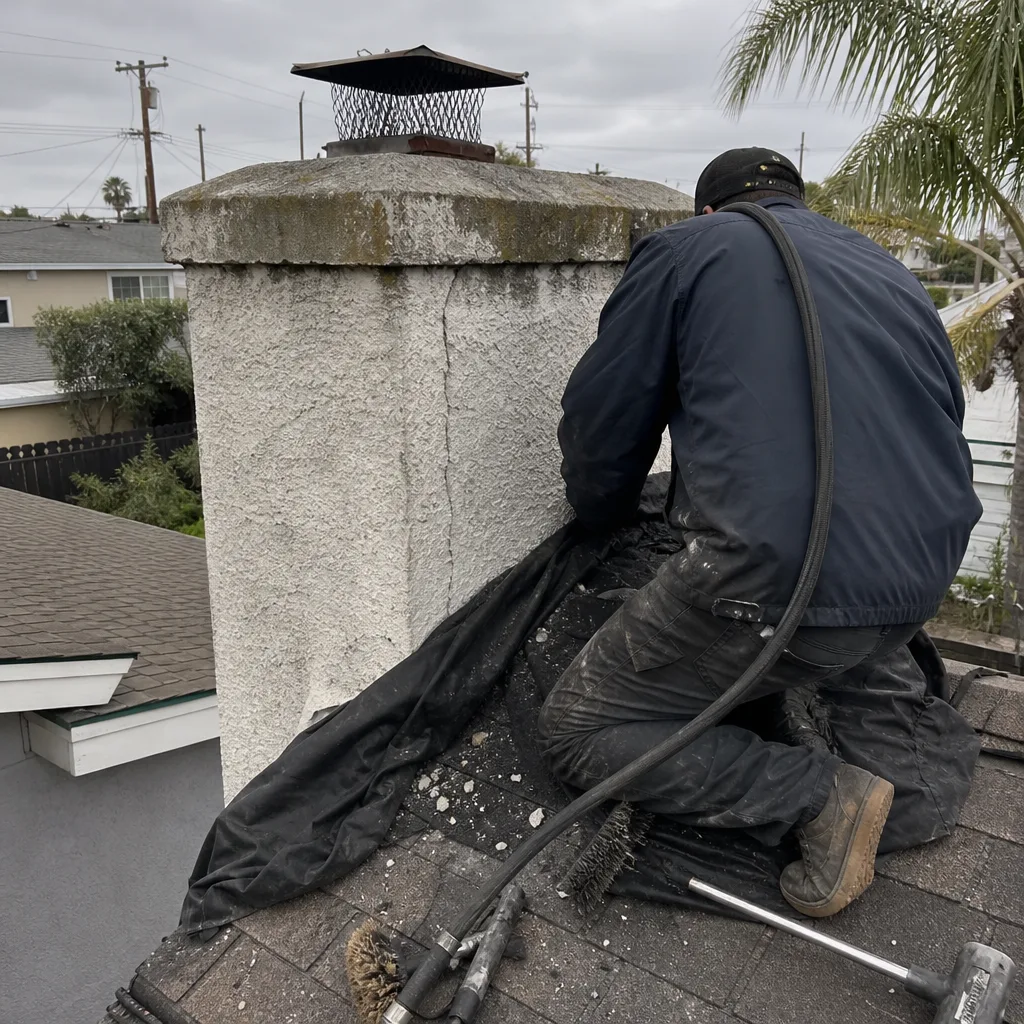
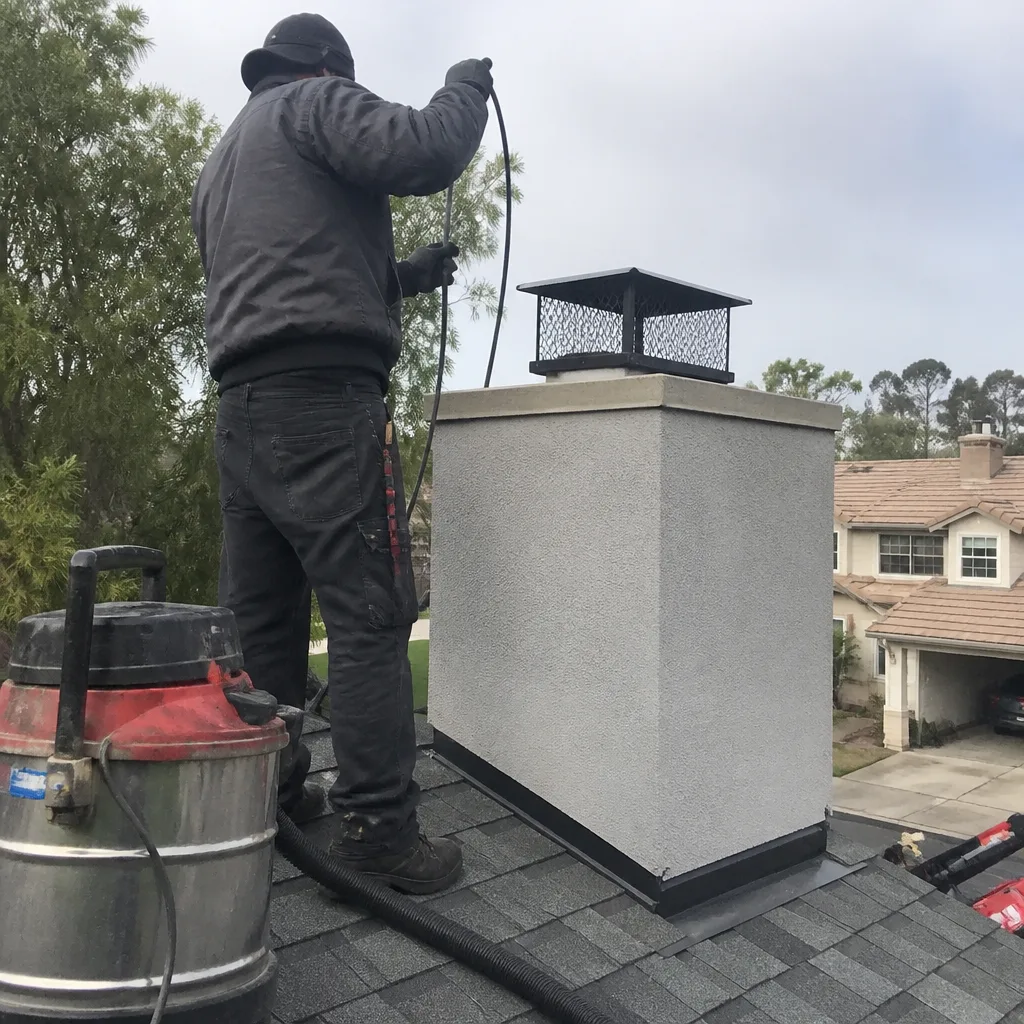
The chimney cap is the first line of defense for the entire system. It sits at the top of the flue and keeps rain, birds, squirrels, leaves, and debris from entering. It also has a mesh screen that functions as a spark arrestor, preventing embers from escaping onto your roof. When the cap is missing, damaged, or improperly sized, everything below it is exposed.
A lot of Norwalk homes we inspect have either no cap at all or a rusted, ill-fitting cap that’s doing almost nothing. The previous owner took it off to clear a blockage, or it rusted through years ago, or an animal bent the mesh forcing its way in. Whatever the history, the result is the same. Direct water entry into the flue, an open invitation for birds and rodents, and exposed masonry that can’t shed water properly.
What to look for: From the ground, check visually. Do you see a cap on top of the flue opening? If yes, does it sit flush and level? Is the mesh intact? Does the cap extend beyond the flue edges on all sides? If you can’t see clearly from the ground, that’s a reason to call someone who can. This is also a component we replace regularly. We source caps from Famco and Copperfield, established names in chimney supply. A properly fitted cap with intact spark-arrestor mesh prevents the majority of common chimney problems before they start.
In Norwalk’s dry summer months, a missing spark arrestor is a genuine fire hazard. Embers from your fireplace can land on a roof or in surrounding vegetation. This isn’t a scare tactic. It’s basic physics and it’s why spark arrestors are part of the building code requirement for chimney caps.
7. Spalling Brick Faces
Spalling is what happens when the brick face itself starts to flake, crack, or fall away in sheets. It’s the natural progression of water damage that’s gone unaddressed at the mortar stage. And it’s the sign that tells you the chimney has moved from a maintenance item to a structural repair.
The mechanism is straightforward. Water saturates the brick. Temperature changes cause expansion and contraction. The surface layer of the brick, weakened by this cycling, separates and falls off. In Norwalk, we don’t get the harsh freeze-thaw cycles that cause rapid spalling in colder climates, but we get something almost as damaging over time: repeated wetting and drying cycles that concentrate salts inside the brick. Those salts crystallize and expand, slowly forcing the brick apart from the inside.
Spalling signals: Pieces of brick on the ground around the chimney base. Chunks of brick face missing from the chimney surface, exposing the rough interior. A chimney that looks like it’s shedding. If you’re seeing any of this, the damage is well advanced. The bricks themselves have been compromised, not just the mortar between them. Repairs at this stage involve replacing damaged brick, which requires matching materials and proper reconstruction. This is not a patch job. It’s structural work.
We’ve also found that spalling brick on the chimney exterior is often paired with internal flue damage. The same water that destroys the exterior brick has been working on the flue liner the whole time. When we handle a spalling repair, we almost always recommend a camera inspection to check the flue condition. If the liner is compromised, applying a HeatShield resurfacing system can restore it without a full rebuild, but you need to know the liner’s condition first. You can’t see it from the ground, and assuming it’s fine because the fire still draws is how expensive problems get missed.
8. Visible Creosote on the Smoke Shelf
The smoke shelf is the horizontal ledge inside the chimney, just above the damper and behind the firebox opening. It’s there to catch debris that falls down the flue and to help redirect downdrafts. It’s also one of the most telling places to look for creosote buildup, and it’s a spot homeowners almost never check.
Take a flashlight and look up inside the firebox. You’ll see the damper mechanism, and above it, the underside of the smoke shelf. If you see a black, tar-like substance coating the surface, that’s creosote. Stage one creosote is flaky and sooty. Stage three creosote is a hard, shiny, tar-like glaze that’s genuinely difficult to remove and highly combustible. The presence of significant creosote on the smoke shelf tells you the chimney has been burning inefficiently, often from burning wet wood or from insufficient draft, and that the problem has been building for a while.
Creosote is the byproduct of incomplete wood combustion. It condenses on cooler flue surfaces as smoke rises. Every wood fire produces some creosote. The question is how much builds up and where. On the smoke shelf specifically, heavy buildup means the issue isn’t just a dirty flue. It means the system likely has draft problems, sizing issues, or a history of poor burning practices. A standard sweep removes the accumulations. But if the underlying conditions that created them aren’t addressed, the creosote returns quickly.
Is this a stop-burning sign? Visible heavy creosote on the smoke shelf means you’re burning with a system that’s accumulating fuel faster than it’s being cleaned. That’s a stop-burning-until-inspected situation. A chimney fire happens when creosote reaches ignition temperature, and thick, tar-like creosote is the fuel that makes chimney fires possible. This is an industry-established fact, not company spin. Get it swept and get the system checked before your next fire.
One call covers your chimney and your dryer vent. While we’re on the topic of hidden fire hazards, Dryer Vent Cleaning in Norwalk addresses the same kind of invisible accumulation in a different appliance. Lint buildup in dryer vents is a leading cause of residential fires, and it builds up in exactly the same way creosote does. Gradually, invisibly, and with no warning until there’s a problem.
Common Mistakes to Avoid
- Scrubbing efflorescence off without finding the water source. You’ll remove the symptom and leave the disease. The staining comes back within months because water is still moving through the masonry.
- Assuming a smoke problem means the chimney is dirty. Sometimes it is. But backdrafting has multiple causes, and a sweep alone won’t fix a pressure differential or a cracked flue liner.
- Burning manufactured logs without checking the chimney first. These logs produce different combustion byproducts than firewood, and some create more creosote buildup than homeowners expect, particularly in chimneys already carrying buildup.
- Ignoring a musty odor because it’s intermittent. Odor that comes and goes with weather changes is a moisture signal. It’s not a nuisance. It’s data about what’s happening inside your flue.
- Painting over a damaged chimney crown to seal it. Paint isn’t a waterproofing system. A cracked crown needs proper repair with masonry-appropriate materials, not a coat of exterior paint that traps moisture inside.
- Waiting until fall to address a known problem. Norwalk’s mild weather extends the burning season in both directions. If you noticed a problem in spring, don’t wait until the first cold night to address it. Chimney work is easier to schedule in the off-season.
- Getting a sweep without asking about what was found. A chimney that’s clean is not the same as a chimney that’s safe. If your sweep doesn’t mention the condition of the liner, the cap, the crown, and the damper, you haven’t had a complete service. We don’t just sweep, we repair what we find.
When to Call a Professional
Call when any of the eight warning signs above is present and you’re not certain what it means. Specifically, call before your next fire if you see smoke backdrafting, detect a persistent odor you can’t place, find pieces of brick or mortar on the ground, or notice thick, tar-like creosote anywhere visible. These are not clean-soon situations. They’re stop-and-inspect situations. The cost difference between addressing a problem early and rebuilding a chimney that’s been deteriorating for years is significant, and the early fixes are almost always cheaper than the late ones. Chimney Repair Norwalk offers free estimates in Norwalk. Call (855) 942-0212 and describe what you’re seeing. We’ll tell you what it likely means and whether it needs a same-week appointment or can wait. From the firebox to the cap, we inspect every component.
For more on our full scope of work, start at the Chimney Repair Norwalk home page.
Frequently Asked Questions
The National Fire Protection Association standard is to have a chimney inspected at least once a year and swept whenever creosote buildup reaches 1/8 inch or more. For homes in Norwalk that burn regularly during the cooler months, an annual sweep before the burning season starts is the practical standard. Homes that burn infrequently, such as occasional weekend fires, can often go longer between sweeps. The only way to know is to have the flue checked. A camera inspection reveals accumulation that’s invisible from the firebox. Call (855) 942-0212 to schedule a sweep and inspection.
That depends on the type and extent of the damage. Minor cracks in clay tile liners can sometimes be addressed with resurfacing systems like HeatShield, which applies a specialized compound to seal and restore the flue interior. More extensive deterioration may require a full liner replacement, typically with a DuraFlex flexible liner system. The key is verifying the condition yourself with camera documentation. We show our customers exactly what we’re seeing before recommending any repair. You should never have to take a liner recommendation on faith.
Creosote continues to accumulate on the flue walls. At some threshold, usually stage three glazed creosote, the buildup becomes a genuine chimney fire risk. Even if a fire never ignites, the restriction of the flue passage worsens draft, increasing smoke spillback into the home. In the meantime, any moisture intrusion continues its work on the masonry unseen. The realistic outcomes of long-deferred maintenance are more expensive repairs and a higher fire risk. The annual sweep is cheap insurance against both.
You can check visible things: the exterior brick condition, the cap presence, the damper movement, and the smoke shelf with a flashlight. What you can’t do is see the flue interior above the smoke shelf, assess the crown condition reliably, or evaluate the flue liner integrity. That requires equipment and access. A reasonable homeowner inspection catches the obvious problems. The expensive problems are almost never obvious. Professional inspection exists for exactly this reason.
Yes, but differently than in colder climates. Norwalk’s dry summers and mild, occasionally wet winters mean chimneys here experience slow salt crystallization damage and periodic saturation without the regular hard freezes that accelerate spalling elsewhere. The damage is less dramatic but it still compounds. Norwalk’s occasional seismic activity adds another variable: invisible flue tile cracks that only show up as draft problems, smoke issues, or findings on camera inspection. These are real conditions we’ve documented in Norwalk homes.
Chimney sweep pricing in the Norwalk area typically ranges from $169 to $289 for a standard open fireplace sweep with a basic inspection. Additional services like camera inspections, creosote removal from heavy glaze buildup, or dryer vent cleaning are priced separately. The total depends on what the system actually needs. Call (855) 942-0212 for an exact quote. Estimates are free and there’s no obligation.
Functionally, they’re separate systems. Strategically, they’re the same risk profile: hidden, gradual accumulation of flammable material inside a venting system that no one sees until there’s a problem. Lint buildup in dryer vents is a leading cause of residential fires in the United States, which is why Dryer Vent Cleaning in Norwalk is one of the three services we provide. Most chimney companies don’t offer it. We do because the same homeowner who maintains a fireplace often has a dryer vent with years of accumulated lint, and one call covers both.
The Bottom Line
Chimney warning signs are diagnostic information. Odor points to creosote and moisture. Smoke spillback points to one of four possible failures. Efflorescence points to water moving through masonry. Crumbling mortar and spalling brick point to water damage that’s progressing from maintenance to structural. Rusted dampers, damaged caps, and visible creosote each tell you something specific about what’s happening above the firebox. None of these signs go away on their own, and waiting makes every repair more expensive. If you’re seeing any of the signs described in this guide, get the system inspected. It’s the difference between a sweep and a rebuild. For Norwalk homeowners, the next step is simple: call (855) 942-0212 for a free estimate and a clear answer about what you’re dealing with.
Written by the team at Chimney Repair Norwalk, serving Norwalk since 2017. Explore more guides & resources on chimney care and maintenance.
See the difference
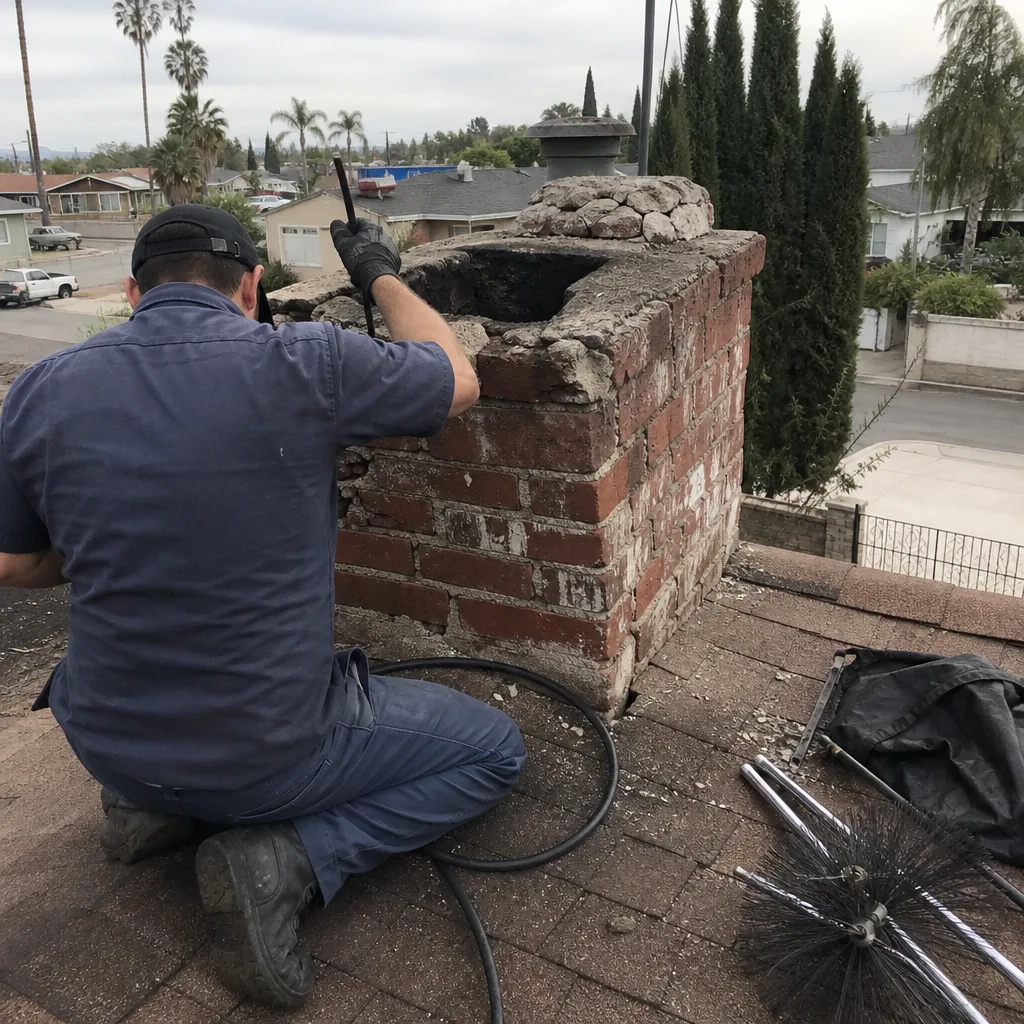 Before
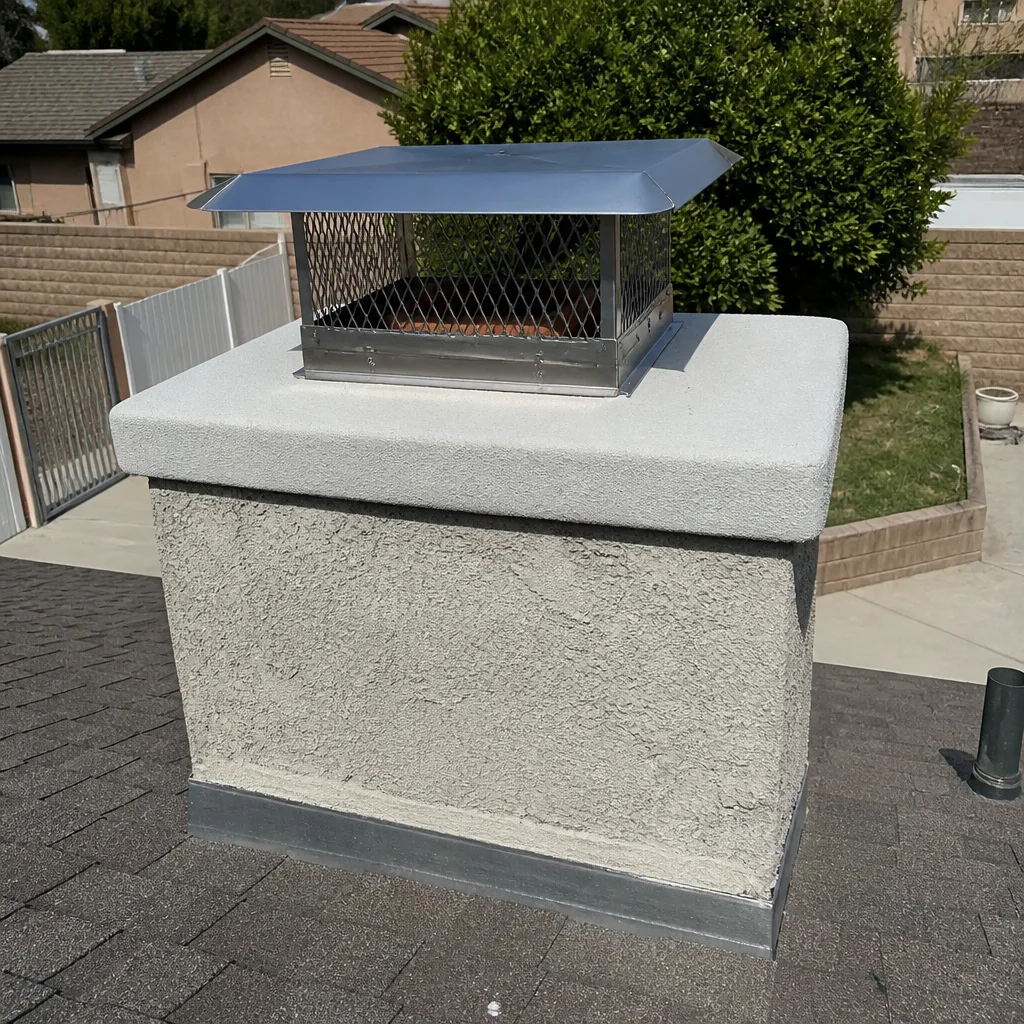 After
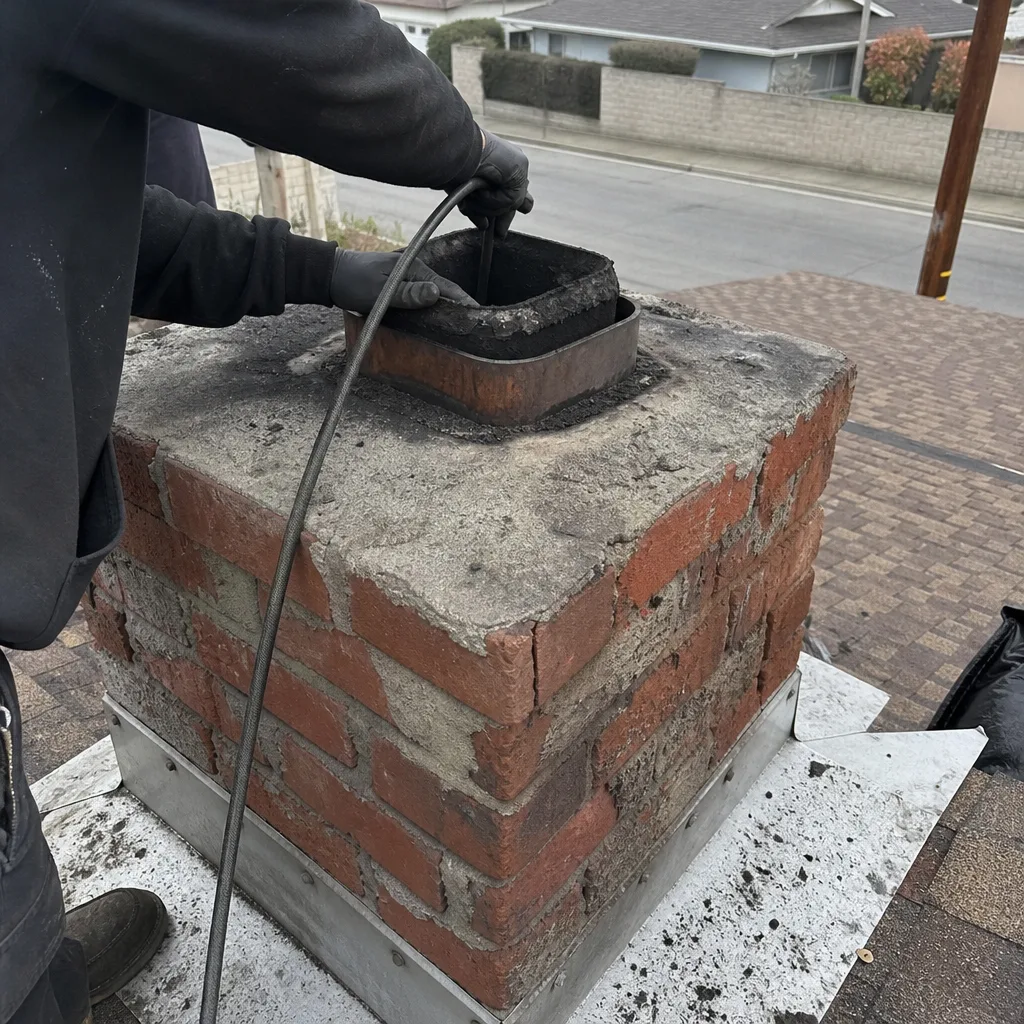 Before
 After
 Before
 After