
Last updated November 2, 2026
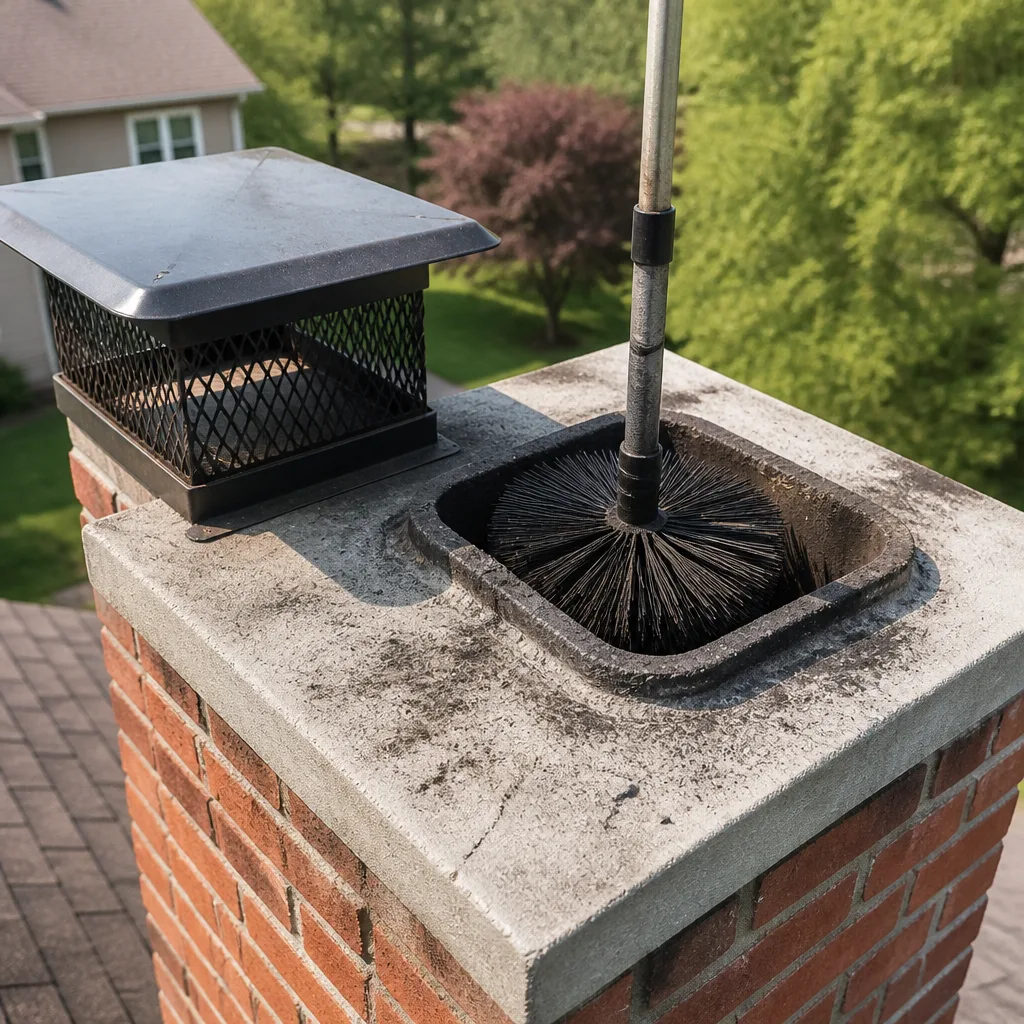 Sweep & inspection
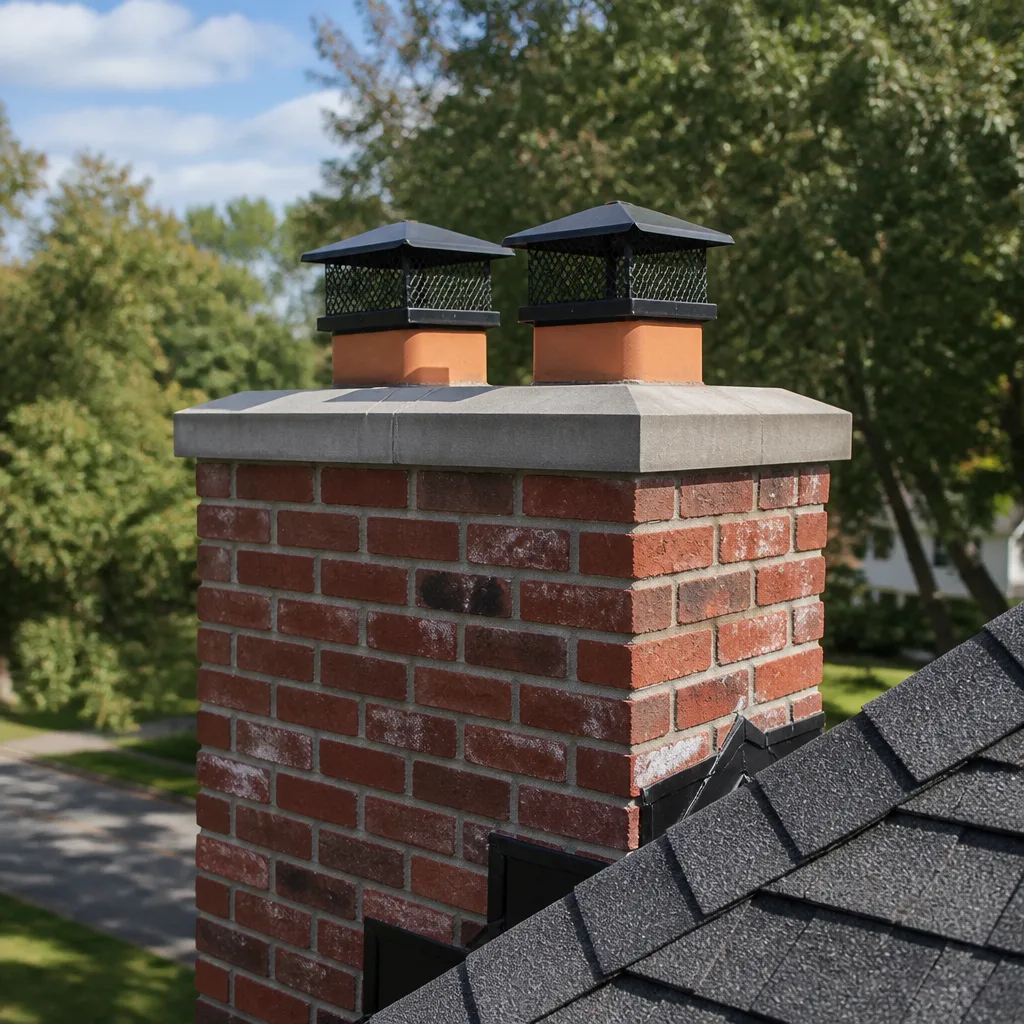 Caps & crowns
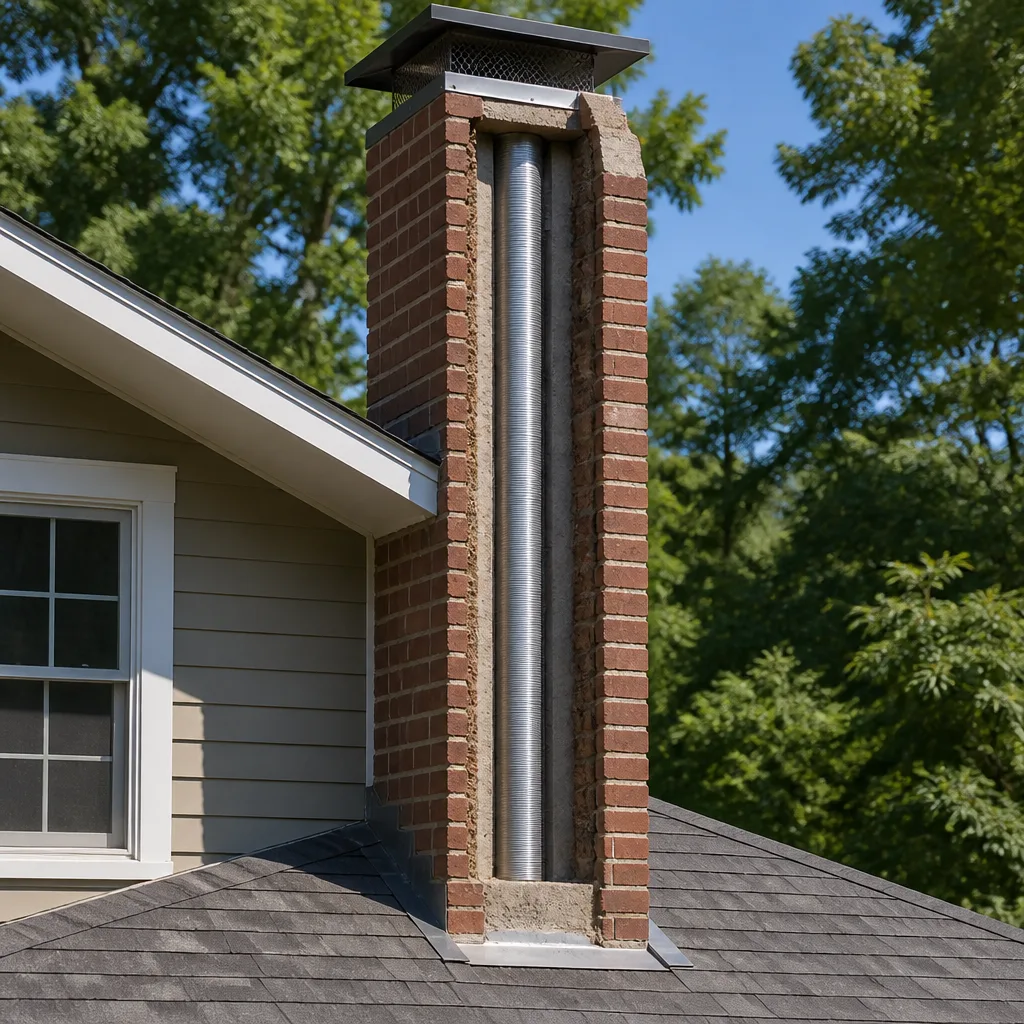 Flue relining
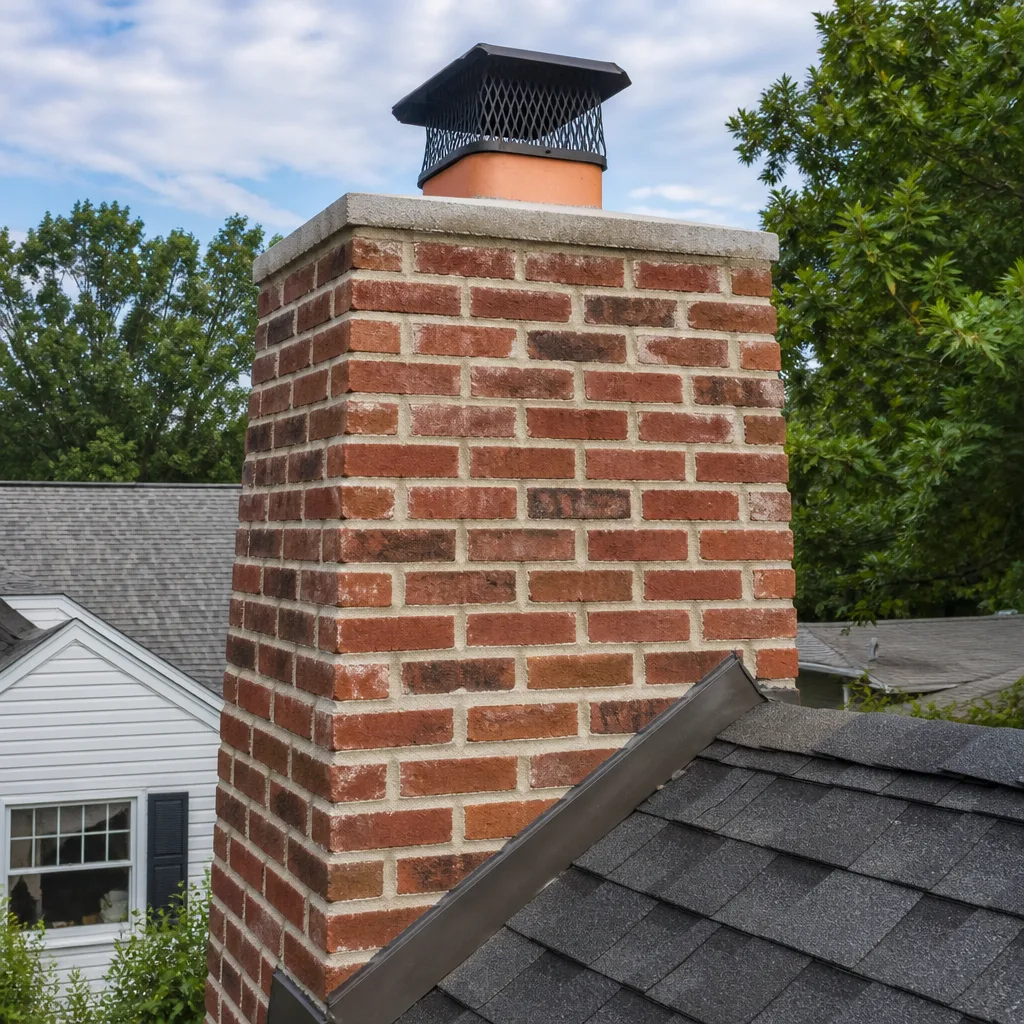 Masonry repair
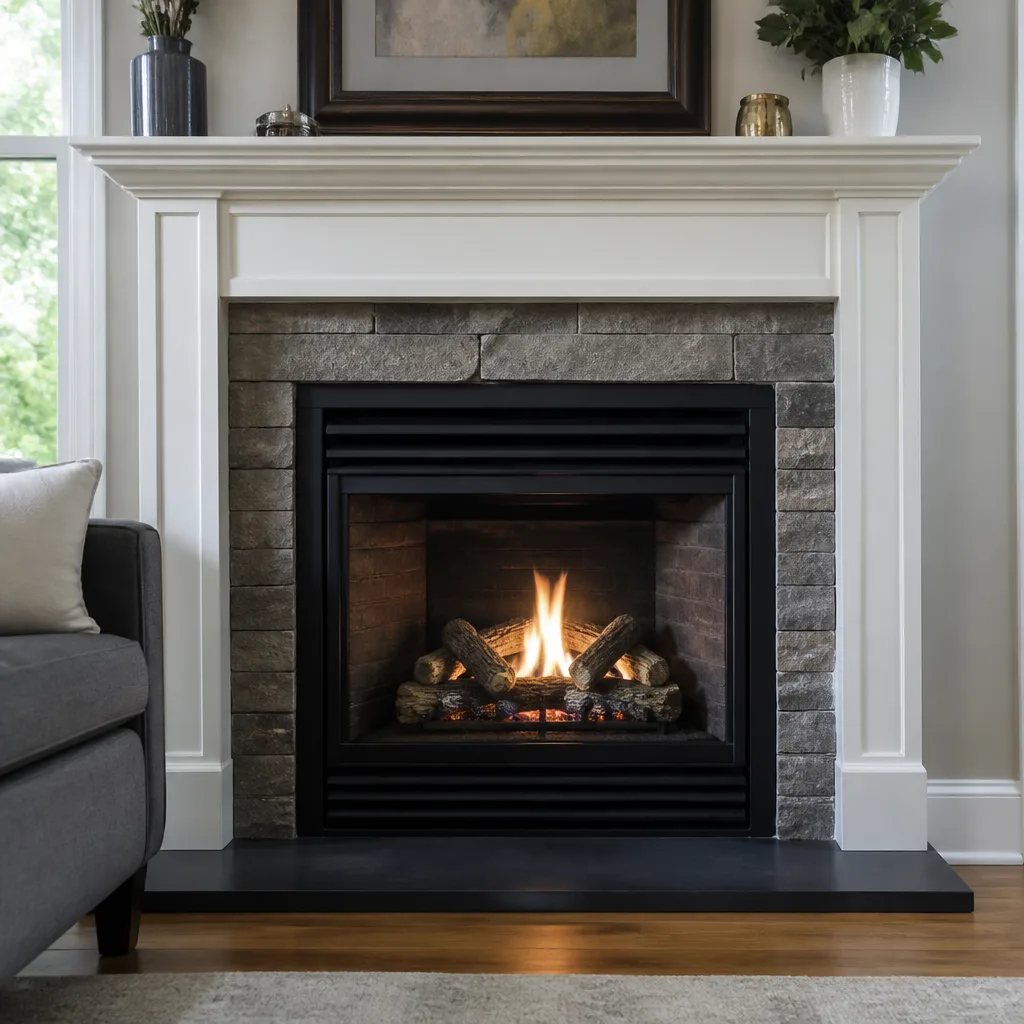 Gas fireplace service
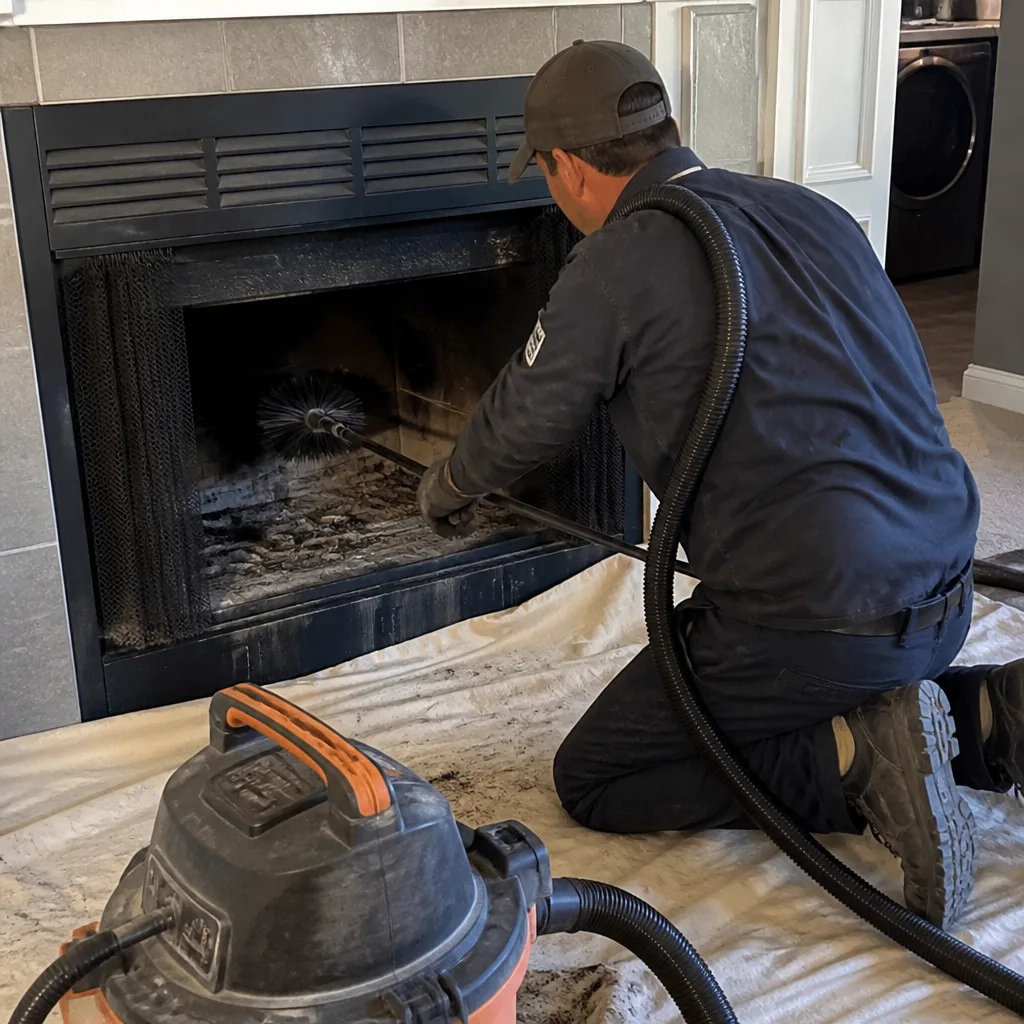
Level 1 sweep and inspection to the NFPA 211 annual standard - flue, crown, cap, and flashing checked and photographed
Chimney sweep logs do not sweep chimneys. They loosen some creosote - which then falls where a brush and vacuum still have to collect it.
Chimney Cleaning Cost Breakdown: The Norwalk Homeowner’s Reference for 2026
Here’s a number most Norwalk homeowners never see coming: the average chimney cleaning in our area costs $189, but the average first-time service visit totals $560. The gap isn’t from upsells or hidden fees. It’s because roughly 70% of chimneys we inspect in Norwalk’s housing stock, much of it built between 1945 and 1975, show some degree of deterioration once the creosote is brushed away. This guide lays out the full cost picture for 2026: what a sweep actually costs, what the inspection levels mean, which repairs commonly follow, and how to tell a legitimate repair recommendation from a scare tactic. For related reading, see our Chimney Cleaning Warning Signs: A Norwalk Homeowner’s Reference Guide. If you own a home in Norwalk with a fireplace or wood stove, the numbers here will prepare you for what to budget, not just what the advertised special says.
Styles & brands we work with
- Sweep & inspection
- Caps & crowns
- Flue relining
- Masonry repair
- Gas fireplace service
Quick Answer
A standard chimney sweep in Norwalk costs $159 to $229 for basic brush work on a single-flue, one-story chimney, while a sweep combined with a Level 2 camera inspection typically runs $289 to $399. The realistic total for a first visit on an older Norwalk home, including common follow-up repairs like cap replacement or flashing reseal, lands between $400 and $900. Call (855) 942-0212 for a free estimate based on your specific chimney.
Table of Contents
- What a Standard Chimney Sweep Costs in Norwalk
- Inspection Levels: Why the $99 Special Doesn’t Cover What Matters
- The Realistic Full Cost: Sweep Plus Common Repairs
- What Drives Price Variation in Norwalk
- Common Repair Costs Following an Inspection
- How to Evaluate a Repair Quote
- Why Two Estimates Matter and What to Compare
- Common Mistakes to Avoid
- Frequently Asked Questions
What a Standard Chimney Sweep Costs in Norwalk
The baseline chimney sweep in Norwalk for 2026 runs between $159 and $229 for a single-flue fireplace on a one-story home. That covers the brush work itself: running rods and brushes up the flue, removing creosote and soot buildup, and cleaning the firebox and smoke chamber. It does not include a camera inspection. It does not include a written condition report. And it doesn’t include any repairs, regardless of what the technician sees.
Here’s the tiered breakdown for Norwalk’s market:
- Basic sweep, one flue, one story: $159 to $229
- Basic sweep, two-story roof access or steep pitch: $229 to $299
- Sweep plus Level 1 inspection (visual, no camera): $229 to $319
- Sweep plus Level 2 inspection (camera scope of entire flue): $289 to $399
- Heavy creosote removal (Stage 3 glazed deposits): adds $90 to $200
Two-story chimneys in Norwalk’s older ranch and split-level neighborhoods often require a ladder setup against a steep roof pitch, which pushes the price toward the top of these ranges. Homes in the southern residential streets nearer Cerritos College tend to have single-story profiles that keep access simpler.
Inspection Levels: Why the $99 Special Doesn’t Cover What Matters
You’ll see $99 chimney sweep specials advertised in Norwalk all year. Understand what that pays for: a technician runs a brush up the flue, vacuums the firebox, and leaves. That’s it. The brush work might be perfectly competent, but it tells you nothing about whether the flue liner has cracks, whether the flashing is rusted through, or whether the chimney crown is letting water in. A clean chimney is not the same as a safe chimney.
The National Fire Protection Association defines three inspection levels, and they matter because they determine what you’ll actually learn. See our Chimney Cleaning Permits, Codes & Inspections in CA: What You Need to Know for the regulatory framework behind them:
- Level 1 inspection: A visual check of readily accessible areas. The technician looks at the firebox, damper, flue opening, and exterior chimney from ground level. It’s appropriate if no changes have been made to the system and you use it the same way every year. Most sweep companies bundle a Level 1 with routine cleaning.
- Level 2 inspection: Everything in Level 1, plus a camera scope through the entire flue, attic access points, and crawlspace inspection where applicable. This is what’s required when you buy or sell a home, after a chimney fire or seismic event, or before switching fuel types. In Norwalk, where many homes predate modern liner standards, a Level 2 camera inspection during a cleaning finds most of what needs repair.
- Level 3 inspection: Invasive examination that involves opening walls or removing masonry. Only indicated when Level 2 raises specific structural questions. Rarely needed during routine maintenance.
The $99 special typically includes neither a camera nor a written report. A proper sweep with a Level 2 inspection in Norwalk costs $289 to $399 because the camera equipment, the time to scope every foot of the flue, and the documented report are the actual value of the visit. Without them, you paid for brush work and learned nothing about your chimney’s structural condition.
The Realistic Full Cost: Sweep Plus Common Repairs
Here’s the picture most Norwalk homeowners don’t get from the advertised rate, and why our Chimney Cleaning Emergency Preparedness Guide for Norwalk Homes matters: the sweep is the cheap part. What happens next is where budgeting gets real because cleaning removes the creosote that hides defects. Once the flue walls are brushed, cracks show. Gaps in mortar joints become visible. Rust damage on the damper is apparent. Water staining at the hearth suddenly has an explanation.
In our experience working on Norwalk’s mid-century housing stock, here’s what a first visit commonly totals:
| Scenario | Typical 2026 cost range |
|---|---|
| Sweep only, no findings | $159 to $229 |
| Sweep + Level 2 camera inspection, no findings | $289 to $399 |
| Sweep + chimney cap replacement | $410 to $629 |
| Sweep + flashing reseal | $430 to $710 |
| Sweep + crown coat repair | $460 to $760 |
| Sweep + damper replacement | $510 to $829 |
| Sweep + flue liner repair (HeatShield or stainless resurfacing) | $1,490 to $3,310 |
Liner work is the big one, and it’s where Norwalk homeowners should pause. A flue that shows minor cracking in the clay tile can often be resurfaced with HeatShield, a specialized compound applied through the flue that restores a smooth, insulated surface, at a fraction of full liner replacement cost. A stainless DuraFlex liner system runs higher because it’s full replacement with new material. Either way, the gap between the sweep price and the real ticket comes from what the camera reveals, not from the cleaning itself.
What Drives Price Variation in Norwalk
Chimney pricing isn’t flat across Norwalk for the same reason roofing isn’t: every house is different. The five variables below account for most of the difference between a $159 sweep and a $399 inspection-and-clean.
- Chimney height and roof access. A one-story ranch near Excelsior Drive and a two-story on a hillside parcel present very different ladder setups. Two-story access, steep roof pitch, or a chimney boxed by adjacent rooflines all add labor time.
- Flue configuration. A straight vertical flue is straightforward. A chimney serving a two-sided fireplace, an offset flue, or a masonry heater involves more linear footage and more rodding time.
- Creosote condition. Stage 1 creosote is a dry soot that brushes off. Stage 2 is a flaky tar deposit. Stage 3 is a hard glaze that requires rotary cleaning with chemical treatment, adding $90 to $200 to the ticket. Homes that burn unseasoned wood or use the fireplace daily during a Norwalk winter tend toward Stage 2 or 3.
- Chimney age and masonry condition. Norwalk’s 1950s and 1960s construction used clay tile liners that degrade over decades of heat cycling. A 60-year-old flue is more likely to show cracking, which extends inspection time and introduces repair questions.
- Animal or debris obstruction. We’ve pulled bird nests, tennis balls, and one unfortunate opossum skeleton from Norwalk chimneys. An obstructed flue takes longer to clear and may require a chimney cap afterward to prevent recurrence.
None of these factors is a markup. They’re labor realities. The technician who quotes you over the phone without asking about roof height, chimney type, and last cleaning date is guessing.
Common Repair Costs Following an Inspection
Norwalk’s housing stock skews older, which means structural findings on inspection are common, not exceptional. Here’s what each of the frequent repairs actually costs and what the work involves.
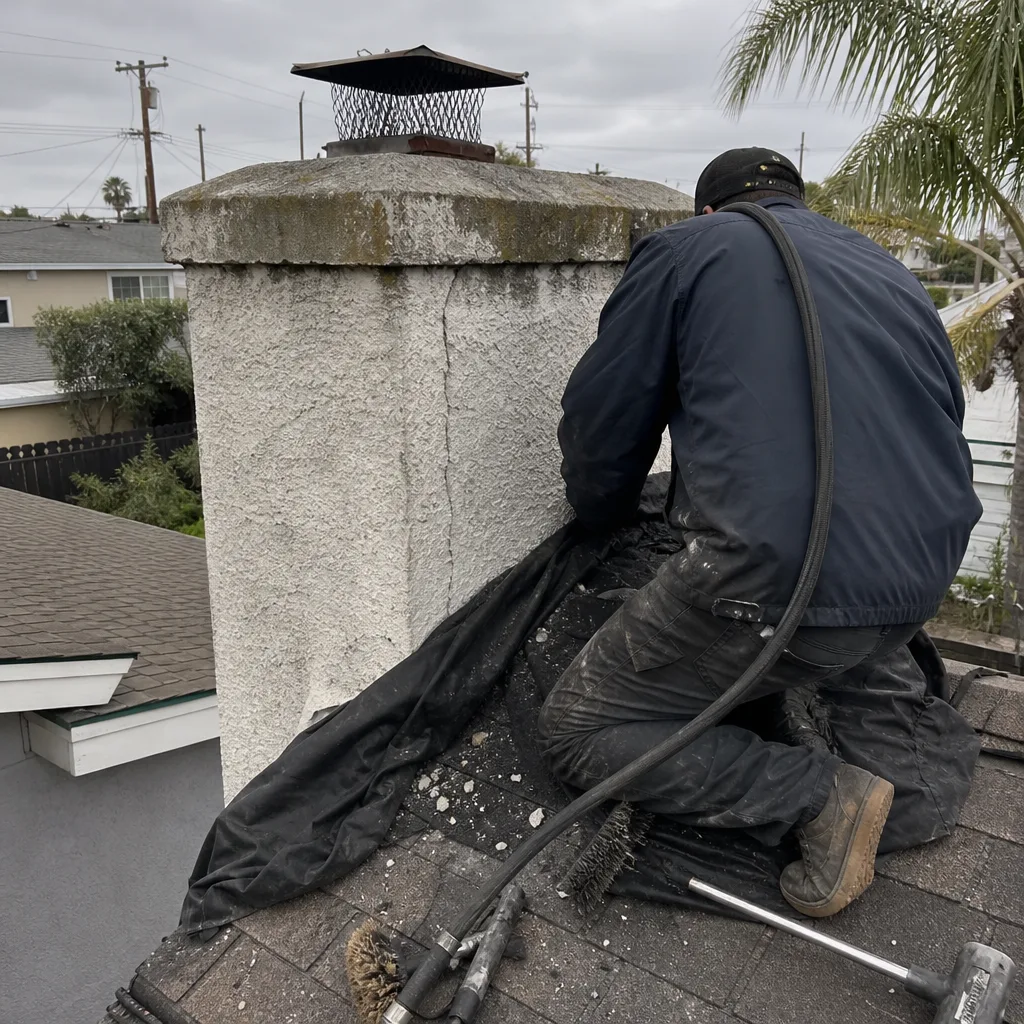
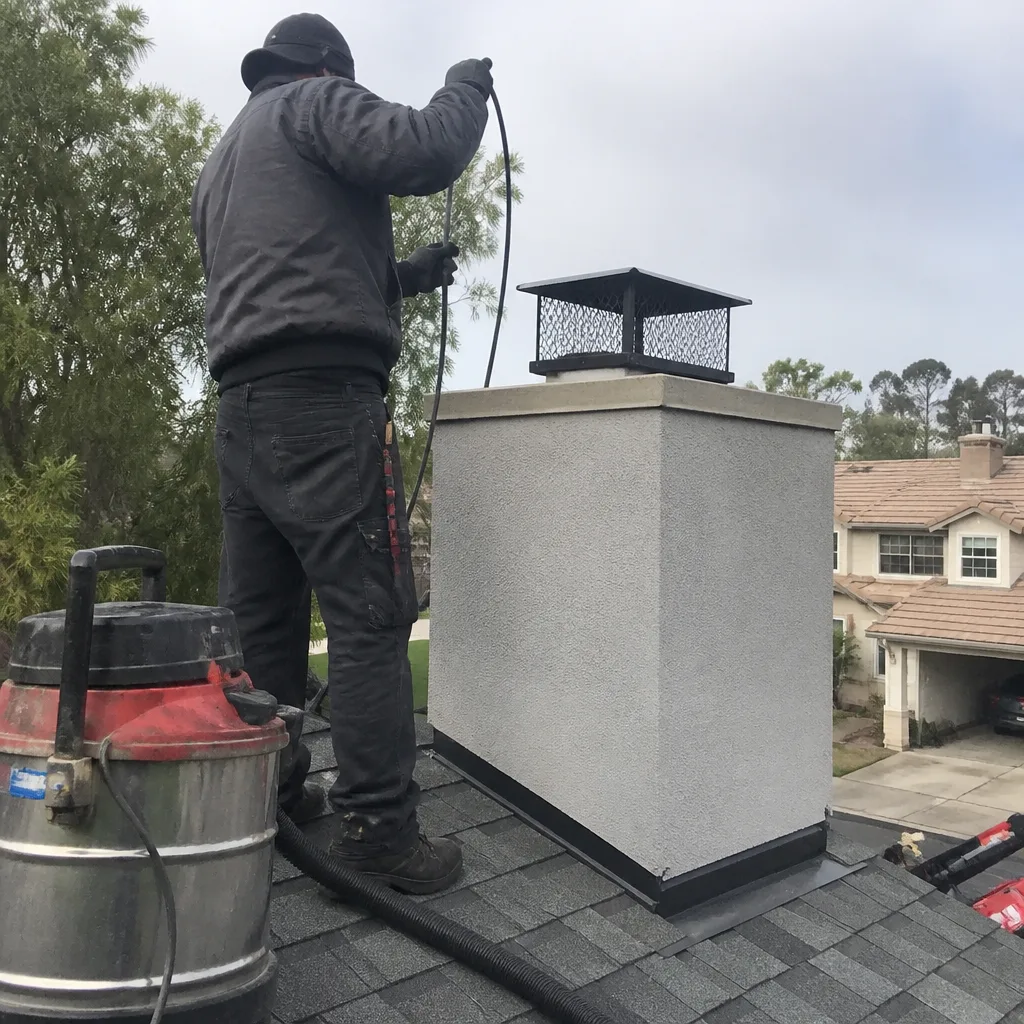
Chimney cap replacement: $159 to $399 installed. The cap keeps rain, birds, and debris out. Rusted or missing caps are among the most common findings in Norwalk because marine-layer moisture accelerates corrosion on unprotected steel. Replacement takes 30 to 45 minutes using a stainless or copper cap from manufacturers like Famco or Copperfield. This is the cheapest way to prevent far more expensive water damage down the line.
Crown coat repair: $220 to $499. The crown is the concrete slab that seals the top of the masonry around the flue. Cracks let water migrate into the brick and mortar, which freezes and spalls over time. Norwalk’s temperature swings are mild, but rain exposure still works cracks open. A crown coat repair applies a flexible sealant over the existing slab. Full crown rebuilding costs more and is indicated only when the concrete itself has broken apart.
Flashing reseal: $200 to $449. Flashing is the metal barrier where the chimney penetrates the roof. Leaking flashing is the most common source of water stains around fireplace ceilings. Resealing involves lifting shingles, applying fresh sealant or replacing the flashing step, and re-securing. Norwalk’s occasional heavy winter rainstorms test flashing more than the dry season does.
Damper replacement: $290 to $549. The damper seals the flue when the fireplace isn’t in use. Rusted or warped dampers leak conditioned air, which Norwalk homeowners notice most in summer when AC is running. Replacement designs, including top-sealing dampers, are available and install in under two hours in most cases.
Liner repair: $1,490 to $3,310. Here’s where the numbers get real. A clay tile flue liner cracked from decades of heat cycling is a fire hazard because the gaps expose the surrounding masonry to flue gases. Two repair paths exist. HeatShield resurfacing applies a ceramic compound through the flue that restores a smooth, insulative surface without demolition and typically runs toward the lower end of this range. A full stainless liner system from DuraFlex runs higher but provides complete replacement in a structure where the original clay liner has failed in multiple places. Neither is a cosmetic expense. Neither should be deferred without a clear reason.
How to Evaluate a Repair Quote
Most Norwalk homeowners have no frame of reference for whether a $2,700 liner quote is fair. Here’s how to judge it.
Material costs for professional chimney repair products are knowable. A stainless liner kit from DuraFlex for a standard 6-inch diameter, 25-foot flue runs in the hundreds, not thousands, wholesale. The same goes for chimney caps from Famco or Copperfield: $40 to $140 in materials, depending on size and metal. HeatShield material costs similarly represent a fraction of the total quote. The balance of any legitimate repair invoice is labor, access equipment, time, and the installer’s warranty.
What markup is normal? In the chimney trade, a repair quote that prices materials at 2 to 4 times wholesale cost is within the ordinary range when the contractor is licensed, insured, and warrantying the work. Higher than that warrants a second opinion. The red flag isn’t the markup itself, it’s vagueness about what the quote includes.
A legitimate repair quote specifies:
- What materials are being used, by name, not “a liner system.” Ask for the manufacturer. HeatShield, DuraFlex, and Copperfield are specific products. “Commercial-grade material” is not.
- What the scope covers: removal of old material, surface preparation, installation, and cleanup.
- What the warranty terms are: years covered, what’s excluded, whether it transfers with the home.
- What the timeline is and whether the work requires a permit.
If the quote comes back as a single number with none of this detail, get another estimate. Want to know more about our repair scope? See our Chimney Repair in Norwalk page.
Why Two Estimates Matter and What to Compare
We tell Norwalk homeowners this directly: get two estimates. Not because the first one is wrong, but because the comparison teaches you what you’re actually being asked to pay for. Here’s how to do it correctly.
- Request a line-item breakdown from both. The bottom-line number is the least useful figure on the page. Ask each contractor to separate sweep, inspection, materials, and labor. If one lumps everything into a single line and calls it a day, that’s a signal.
- Compare specified materials, not just prices. A $2,700 quote for HeatShield resurfacing and a $2,700 quote for a “liner repair” are not equal offers. One tells you what you’re getting. One doesn’t. The contractor who names the product and the manufacturer is putting their work up against a standard.
- Compare warranty language. What’s covered for how long? Does the warranty include the labor to replace a failed component, or just the part itself? These are very different promises.
- Compare the technician’s inspection approach. Did the quote come from someone who looked at the chimney only from the ground, or did they use a camera and show you the footage? A thoughtful specialist will show you the problem. If you can’t see the crack or the rust with your own eyes, the recommendation is just a claim.
- Don’t normalize the pressure tactic. If a technician tells you the liner needs immediate replacement today but won’t show you the camera evidence or explain what happens if you defer for a season, that’s a sales conversation, not an inspection. Legitimate urgency is backed by visible evidence.
One of the reasons we’ve built our Norwalk work around doing both the sweeping and the repair is that it eliminates the handoff. You don’t need a second contractor to verify a finding another company wrote up. You need the same technician to show you the camera footage, explain what it means, and either fix it or tell you plainly that it can wait. We cover Chimney Sweep in Norwalk and the repairs that follow.
Common Mistakes to Avoid
- Buying the $99 special and expecting a full inspection. The advertised price covers brush work. If you want a camera scope, a report, and repair findings, you’re paying for Level 2. Budget $289 to $399 for the real thing.
- Deferring a cracked liner recommendation without asking what the failure timeline looks like. Cracks don’t self-heal. They widen. A cracked flue liner is a fire-safety issue, not a cosmetic one. Ask for camera evidence and a clear explanation of what deferring means.
- Comparing repair quotes by price alone. A $2,200 liner quote that doesn’t specify the product and a $2,900 quote that says HeatShield or DuraFlex by name are not comparable. The unnamed quote is unknowable. Treat it accordingly.
- Assuming a clean chimney is a safe chimney. The brush removes creosote. It doesn’t restore cracked mortar, reseal flashing, or replace a rusted damper. A sweep that finds nothing still tells you nothing without an inspection.
- Ignoring the chimney cap. Cheap to replace, expensive to ignore. A missing or rusted cap in Norwalk means water intrusion every time it rains, leading to crown damage, spalling brick, and liner deterioration. This is the single best money spent on a chimney.
- Skipping a sweep because the fireplace “works fine.” Creosote buildup doesn’t announce itself. By the time you see smoke backing into the living room, the buildup is already hazardous. Annual sweeping is a maintenance item, not an emergency response.
Frequently Asked Questions
A standard chimney sweep in Norwalk costs $159 to $229 for a single-flue, one-story fireplace. Two-story access or heavy creosote adds $90 to $200. A sweep combined with a Level 2 camera inspection runs $289 to $399. Call (855) 942-0212 for an exact quote on your chimney.
The National Fire Protection Association recommends annual inspection and sweeping at least once per burning season if you use the fireplace regularly. Homes that burn weekly during Norwalk’s cooler months should be swept every year. Occasional-use fireplaces (under 10 fires per season) can often go two years, but an annual inspection is still the low-cost way to catch water intrusion and masonry issues before they become repair bills.
Not always. Minor cracking can sometimes be addressed with HeatShield resurfacing, which costs less than full replacement and restores a smooth, insulated interior. Extensive cracking or separation between tiles typically requires a stainless liner system like DuraFlex. The determining factor is what the camera footage shows. If the recommendation isn’t backed by footage you’ve seen, get a second opinion. Call (855) 942-0212 to schedule an inspection with a camera scope.
Creosote accumulates in layers. Stage 1 is a soft soot. Stage 2 is a tarry crust. Stage 3 is a hard, glazed deposit that requires rotary cleaning and chemical treatment to remove. Stage 3 creosote is the primary fuel source for chimney fires, which can reach temperatures that crack clay liners and spread to surrounding structure. The cost of a sweep, even with Stage 3 removal, is a small fraction of post-fire repair. Industry data consistently identifies creosote buildup as the leading cause of chimney fires.
Because the technician is now looking at the actual chimney, not the one described over the phone. Height, access difficulty, creosote stage, and obstructions all become visible only on site. A technician who quotes a flat price before seeing the chimney is guessing. The honest approach is a price range explained up front, with the final number confirmed before work begins. We never start work without a confirmed price.
Yes. Dryer vent cleaning is one of our three core services, and it addresses a leading cause of residential fires that chimney-only companies ignore. The same appointment can cover your chimney sweep and your dryer vent. See our Dryer Vent Cleaning in Norwalk page for details.
When to Call a Professional
Call a professional chimney company rather than attempting a DIY clean when: the chimney requires roof access beyond a single-story safe setup, the creosote is at Stage 2 or 3 (you’ll see shiny, tarry deposits rather than dry soot), water stains appear around the fireplace ceiling, smoke backs into the room despite an open damper, or you smell a campfire odor in the home during humid weather. High-tension work at roof height, combined with confined flue spaces, makes professional cleaning the only reasonable choice for most Norwalk homeowners. Chimney Repair Norwalk home services include sweeping, inspection, and the repairs that follow. We offer free estimates across Norwalk. Call (855) 942-0212 to schedule.
The Bottom Line
A chimney sweep in Norwalk costs $159 to $229, but the total service visit usually lands higher because inspection findings are common in this housing market. Budget $289 to $399 for a sweep with camera inspection, and be prepared for common repairs like cap replacement, flashing reseal, or crown coating that add $200 to $500 each. Liner work runs $1,490 to $3,310, and the right call depends on camera evidence and a named product, not a pressuring sales pitch. Get two line-item estimates, compare materials and warranty terms, and never pay for a recommendation you can’t see with your own eyes. Call (855) 942-0212 for a free estimate on your chimney today.
Written by the team at Chimney Repair Norwalk, serving Norwalk since 2017. Explore more guides & resources on chimney care and home safety.
See the difference
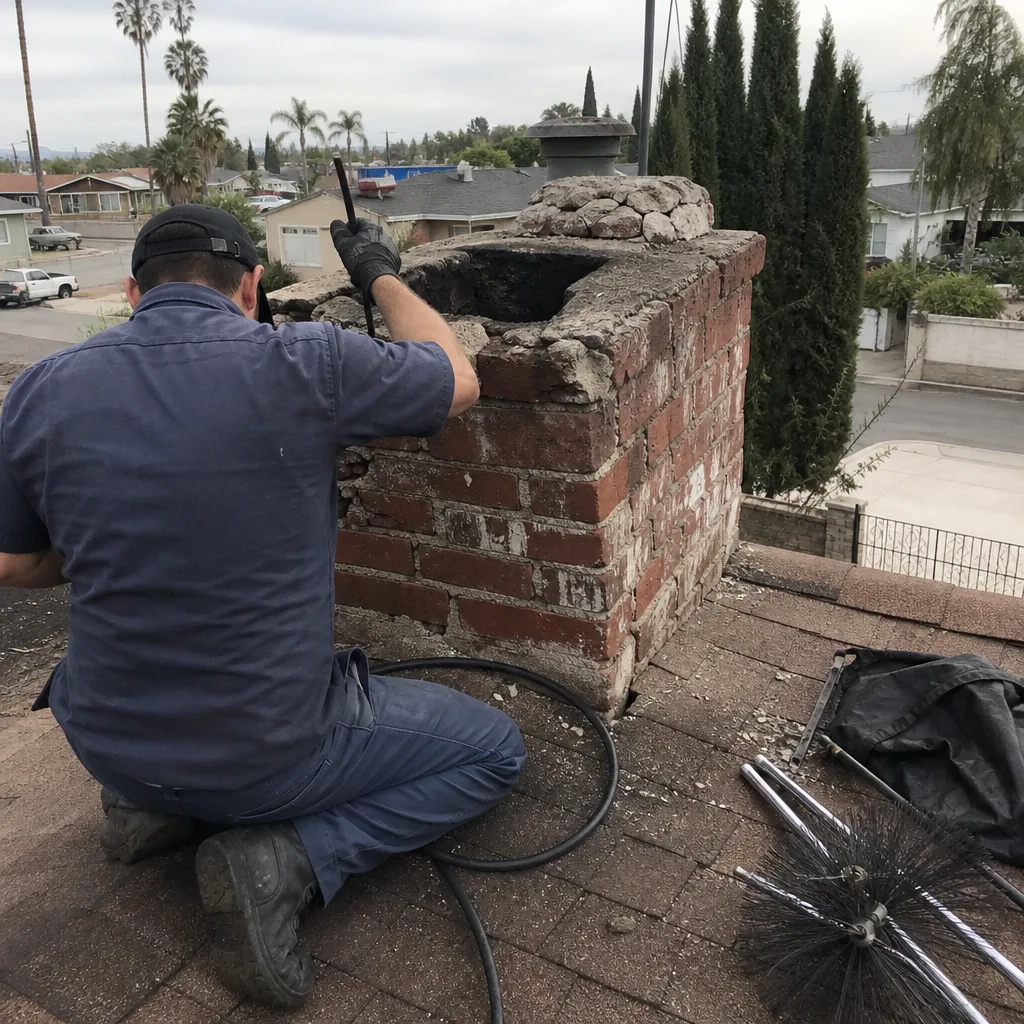 Before
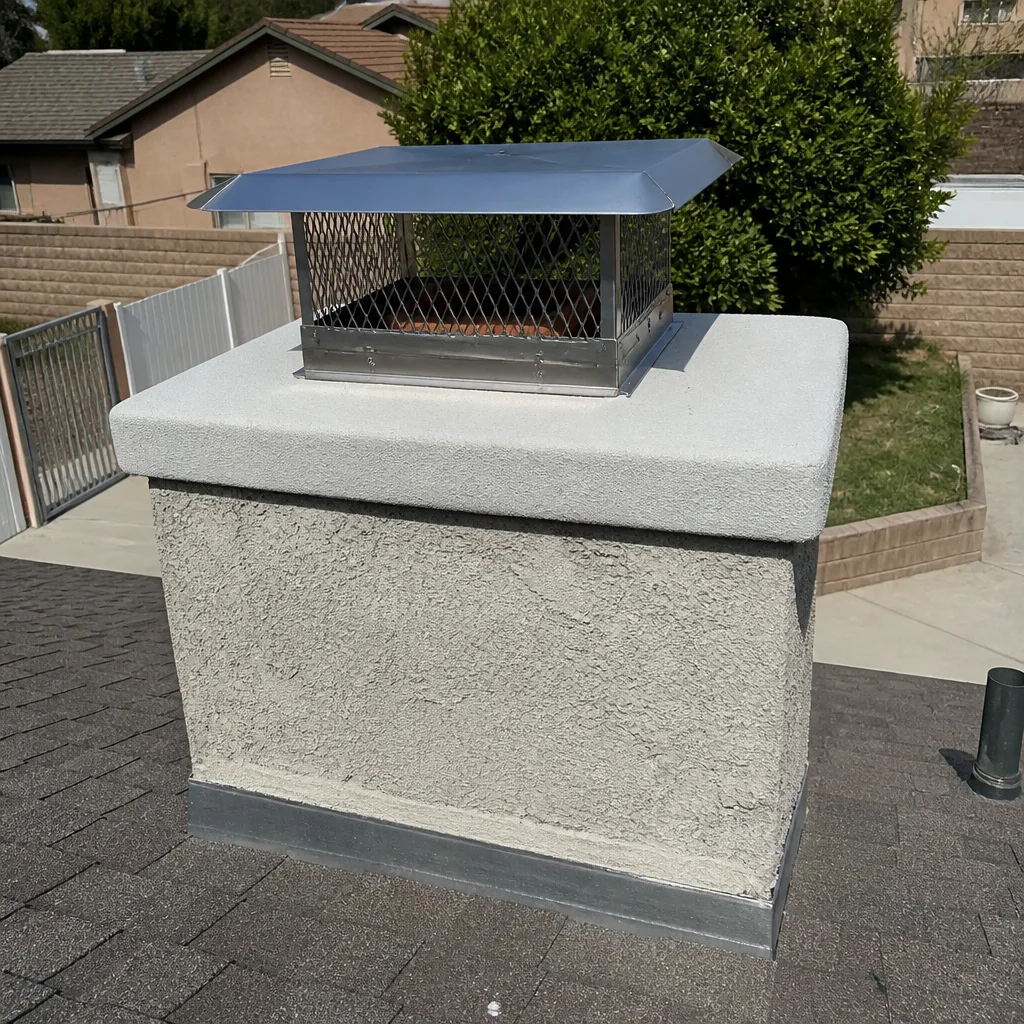 After
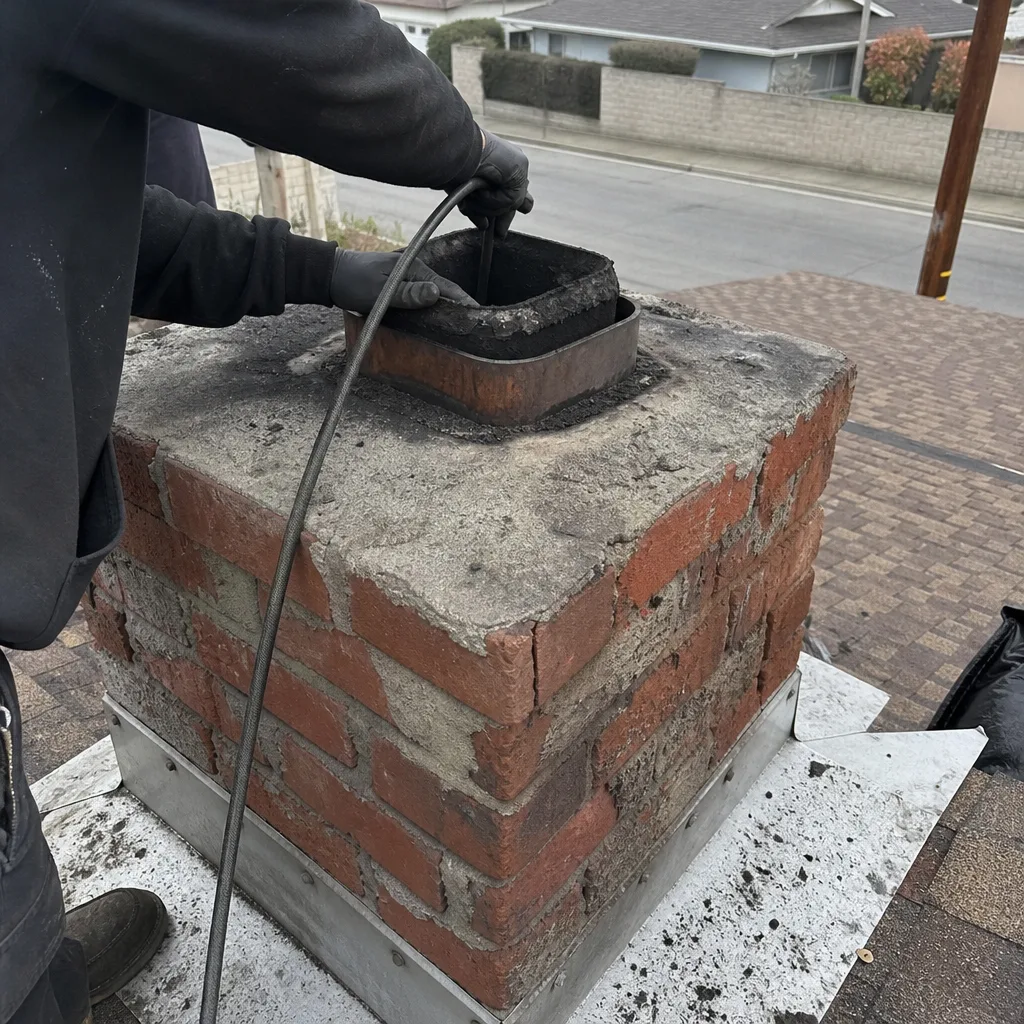 Before
 After
 Before
 After