
Last updated November 2, 2026
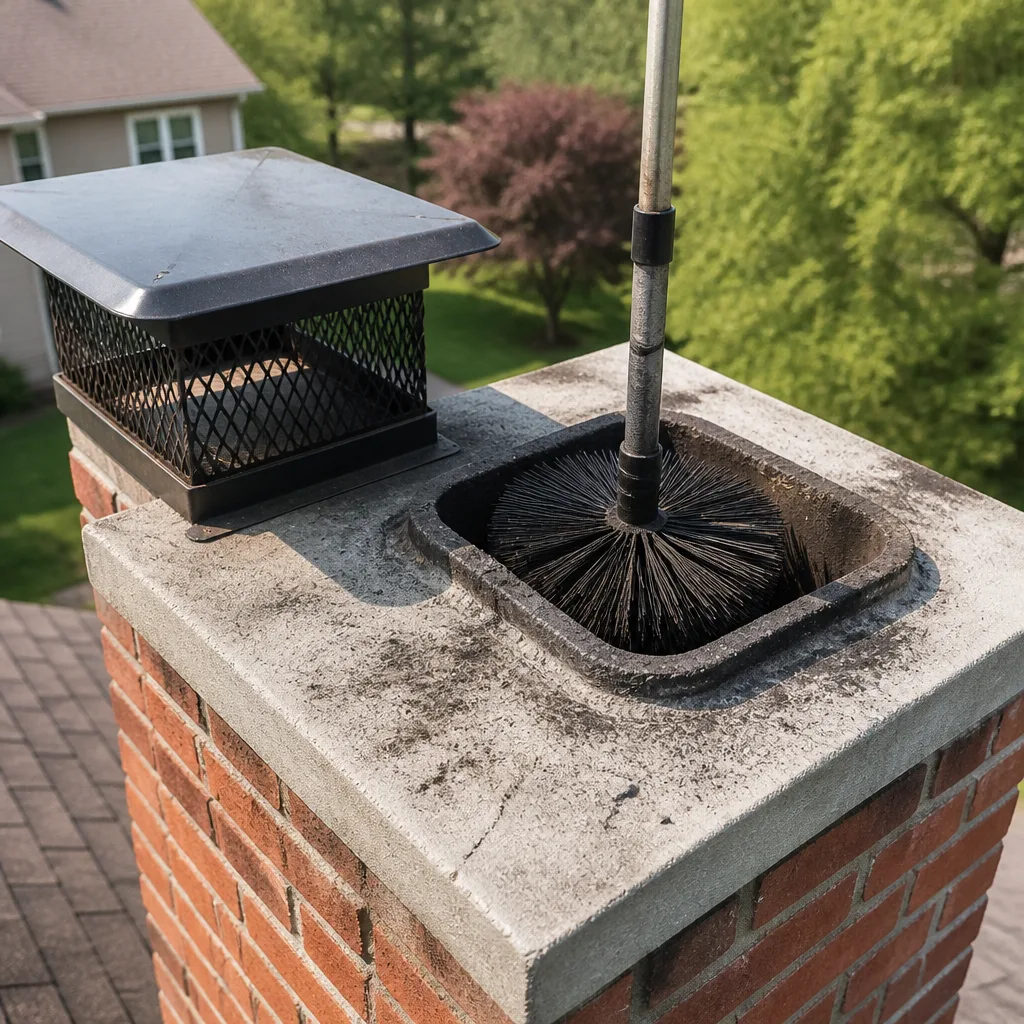 Sweep & inspection
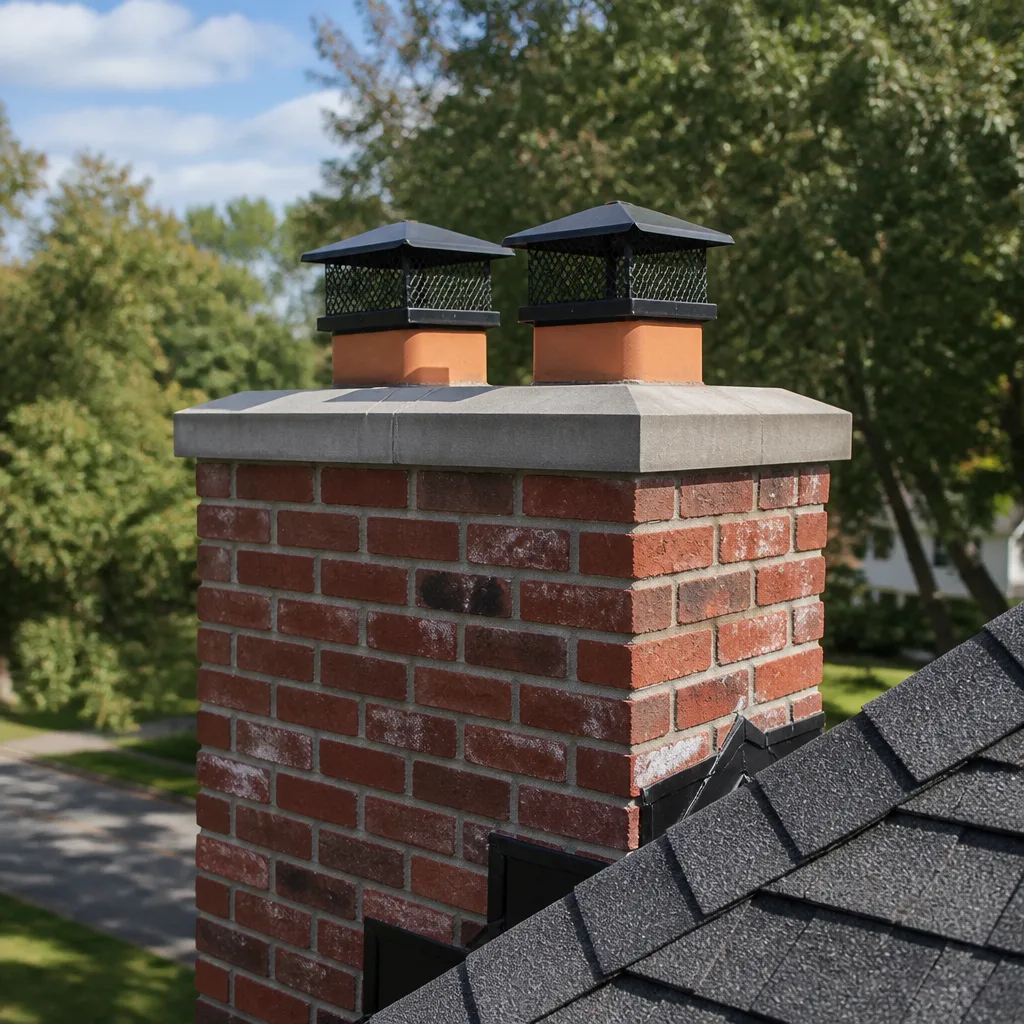 Caps & crowns
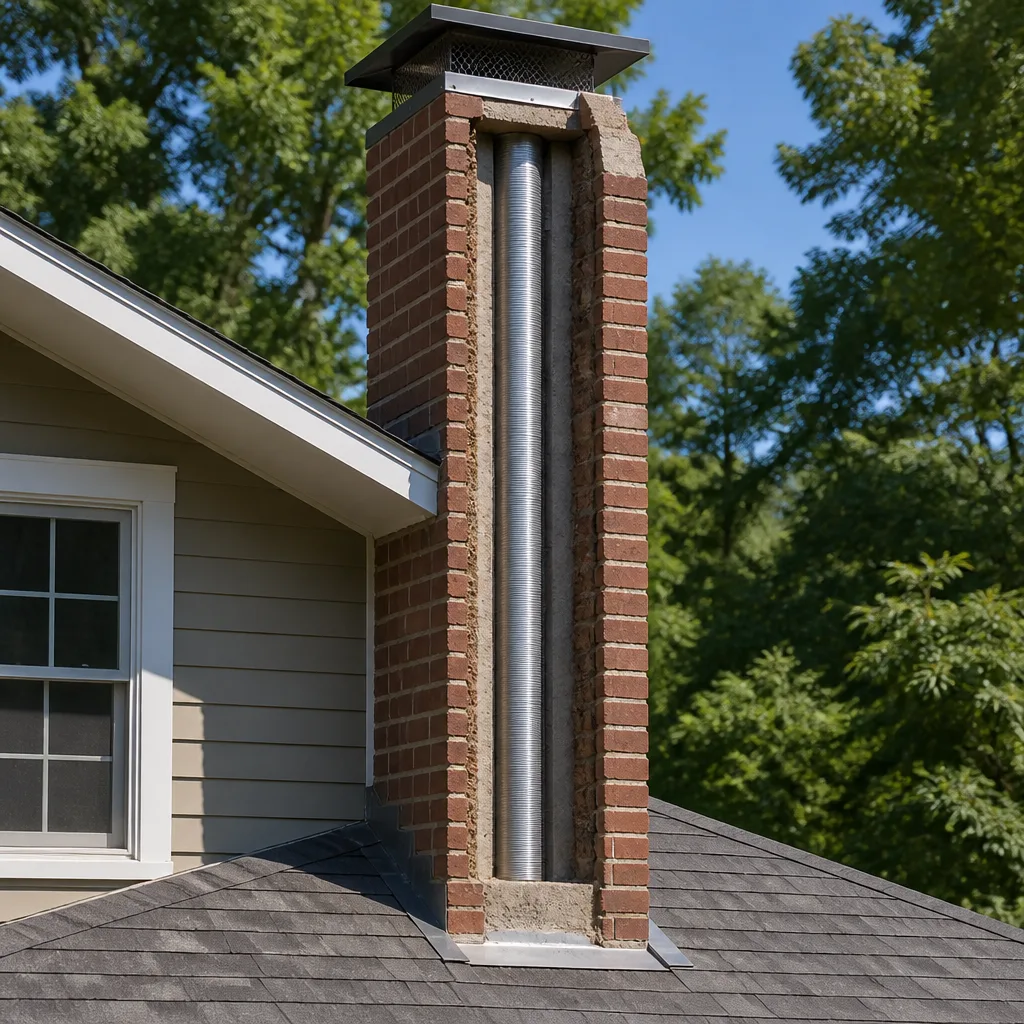 Flue relining
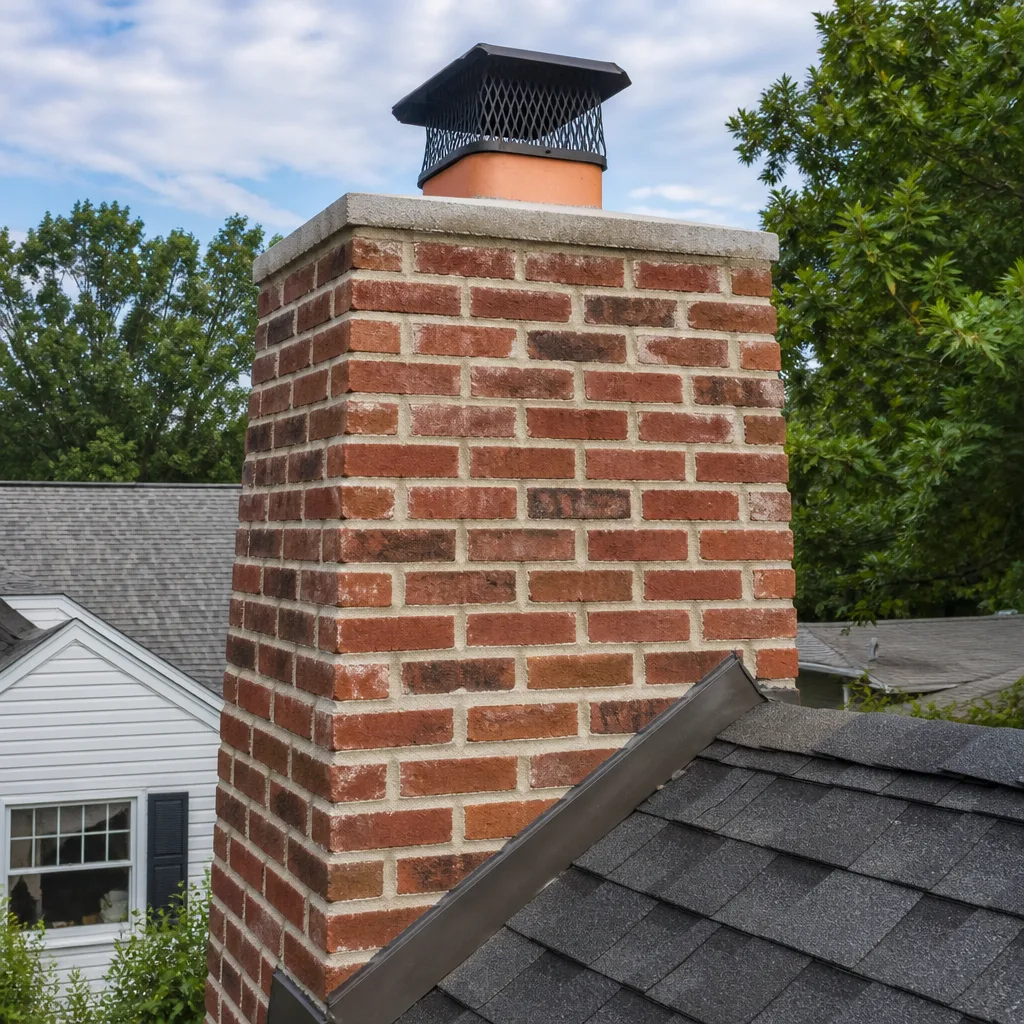 Masonry repair
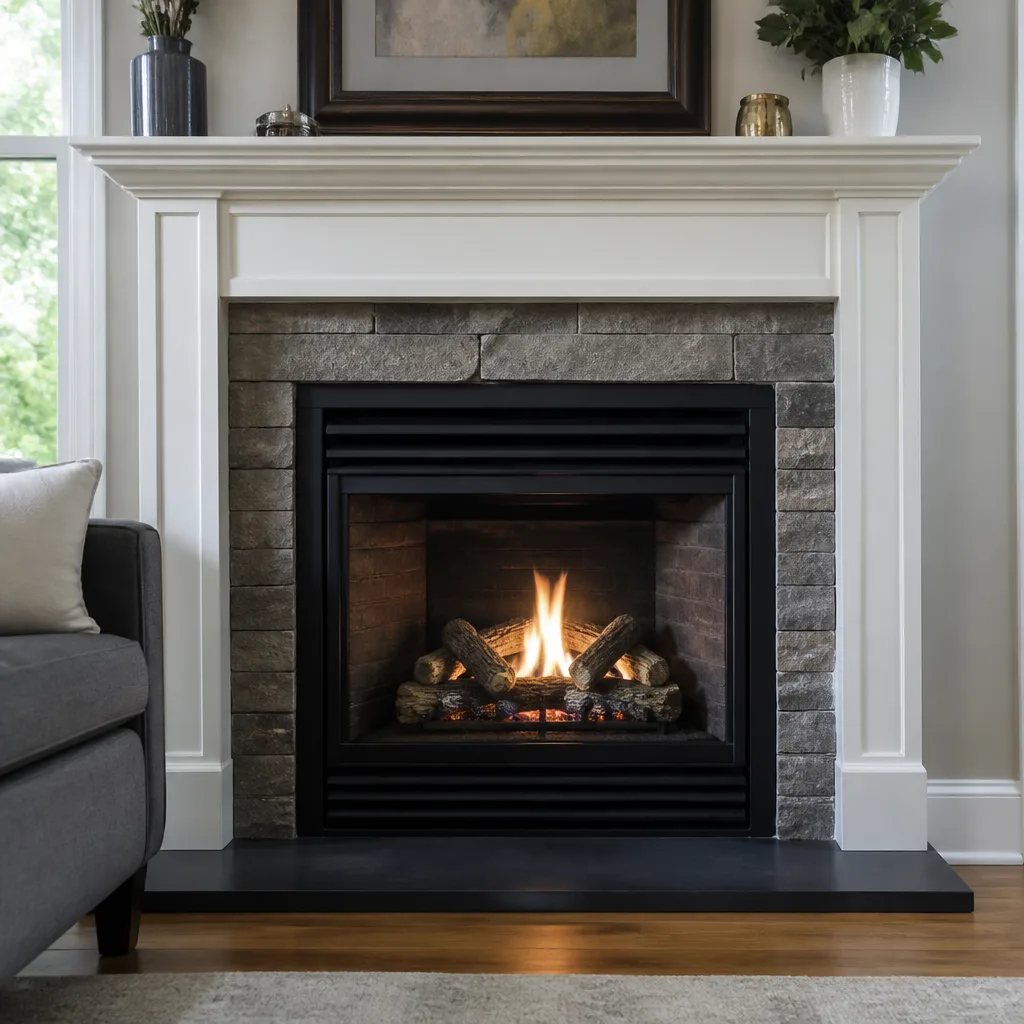 Gas fireplace service
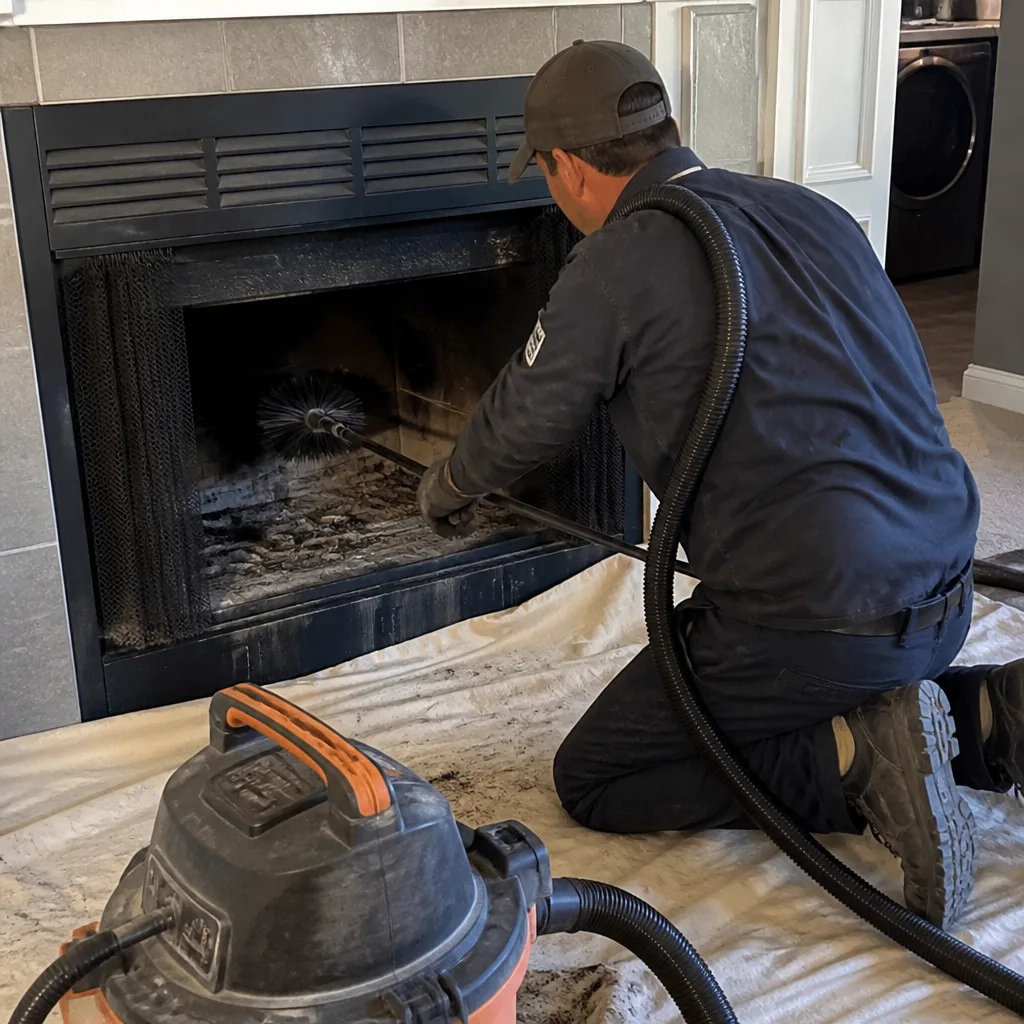
Level 1 sweep and inspection to the NFPA 211 annual standard - flue, crown, cap, and flashing checked and photographed
Chimney sweep logs do not sweep chimneys. They loosen some creosote - which then falls where a brush and vacuum still have to collect it.
Seasonal Chimney Cleaning Care for Norwalk: Year-Round Homeowner’s Guide
Santa Ana wind events don’t just rattle fences and coat patios with dust. They pull outside air down through flues at high velocity, depositing fine debris, dried leaves, and sometimes nesting material directly into the firebox and smoke chamber. Then the mortar joints, already baked by months of near-zero humidity, lose more moisture. Most Norwalk homeowners fire up the chimney right after these wind events without knowing what just blew in. This guide walks through the actual maintenance rhythm that works for Norwalk’s compressed fireplace season, what to check month by month, and when a professional inspection is the only sensible move.
Styles & brands we work with
- Sweep & inspection
- Caps & crowns
- Flue relining
- Masonry repair
- Gas fireplace service
Quick Answer
Seasonal chimney care in Norwalk means scheduling a professional Chimney Sweep in Norwalk inspection and cleaning in late summer or early fall, before the first fire of the season. After the burn season ends, do a post-season visual check in February, and run a mid-year cap and crown inspection in June. Santa Ana wind events should trigger a quick visual check for debris and creosote buildup before you light anything.
Table of Contents
- Why Norwalk’s Fireplace Season Doesn’t Follow the Standard Playbook
- What Santa Ana Wind Events Actually Do to a Chimney
- The Norwalk Month-by-Month Chimney Care Calendar
- Why the Short Rainy Season Demands Crown and Flashing Checks
- Off-Season Chimney Care: What to Do When You’re Not Burning
- How Much Does a Chimney Sweep Cost in Norwalk?
- DIY Checks vs. Professional Inspections: Where to Draw the Line
- Common Mistakes to Avoid
- When to Call a Professional
- Frequently Asked Questions
- The Bottom Line
Why Norwalk’s Fireplace Season Doesn’t Follow the Standard Playbook
Most chimney maintenance guides & resources are written for places with real winters. Snow, freezing cycles, chimney fires from constant burning, ice dams at the cap. Norwalk is not that place. The fireplace use cycle here is compressed into roughly October through February, bracketed by dry Santa Ana wind periods and a short but intense rainy season that runs from late December into March. The result is a specific annual rhythm that looks nothing like what a guide written for Vermont or Minnesota would prescribe.
The biggest error we see in Norwalk is applying cold-climate logic to a Southern California chimney. Homeowners go years between cleanings because they burn less frequently than a family in New England. That seems reasonable. But infrequent burning creates fewer opportunities to detect problems, and the long idle months between seasons allow creosote to harden, debris to settle, and moisture to work into any small crack that opened up during the previous winter’s temperature swings.
Creosote buildup is the direct result of incomplete combustion. When a fire smolders or a wood stove runs with the air intake closed, smoke condenses on the cooler flue walls. That deposit is flammable. In Norwalk, homeowners who burn only on weekends or only during the evening cool-down run a higher risk of smoldering fires and creosote accumulation than someone who burns hot fires every day. The fires here tend to be social, not survival-driven, which changes the chemistry inside the flue. A chimney that’s clean is not the same as a chimney that’s safe.
What Santa Ana Wind Events Actually Do to a Chimney
Santa Ana winds are a fact of life in Norwalk. They arrive in the fall and again in the spring, often gusting hard enough to knock down tree limbs and send patio furniture across the yard. What they do to an exposed chimney is less visible but more consequential.
High-velocity wind blowing across the top of a chimney creates negative pressure at the flue opening. That pulls air down through the flue and into the home, which is why you sometimes catch a whiff of last season’s fireplace smell during a wind event. That down-draft carries fine particles: ash, soot, dried leaf litter, dust from the roof. Over multiple Santa Ana events, that debris accumulates in the smoke shelf and the firebox. Some of it is combustible. All of it reduces the free passage of the flue when you eventually light a fire.
The second problem is moisture loss. Santa Ana winds are famous for single-digit humidity readings. That dry air pulls moisture out of brick, mortar, and crown sealant far faster than a normal summer day. Mortar joints that were already marginal begin to crumble. Small hairline cracks widen. The crown, which is the concrete cap that seals the top of the chimney, is especially vulnerable because it’s fully exposed to wind-driven debris and UV exposure. Cracks in the crown let rainwater into the chase the next time it storms.
After a high-wind event, a quick visual check is worth adding to your routine. Look for visible soot smudges around the fireplace opening, a stronger-than-usual smoke smell, or debris visible in the firebox. If any of those are present, don’t light a fire until a professional has had a look.
The Norwalk Month-by-Month Chimney Care Calendar
Here is the maintenance calendar that actually works for Norwalk’s burn season and climate patterns. This assumes a typical fireplace or wood stove used regularly from October through February, idle from March through September.
September: Pre-Season Inspection and Sweep
Book the annual Chimney Sweep in Norwalk inspection now. This is the single most important appointment of the year. The goal is to catch every problem before the first fire, when the stakes are highest. A professional sweep removes hardened creosote, checks the flue liner for cracks or deterioration, inspects the cap and crown, and verifies that the damper opens and closes correctly.
October: First Fire Preparation
Before the first fire, remove any debris that has accumulated in the firebox since the sweep. Check that the damper is fully open. Use seasoned hardwood only; green wood produces more creosote per fire than any other variable. The first fire of the season should be small and hot, not a marathon burn. This helps burn off any light residue left from the sweep.
November and December: Routine Burning with Monthly Visual Checks
During peak burn season, do a quick firebox check before each burn. Look for creosote that appears shiny or tar-like on the firebox walls or the damper frame. That indicates incomplete combustion and warrants a closer look. If you burn more than three fires per week, check the flue with a flashlight from the bottom looking up. Any deposit thicker than a dime on the flue walls means you’re approaching the threshold where a sweep is needed.
February: Post-Season Assessment
Once the burn season is winding down, schedule the post-season assessment. This does not need to be a full cleaning, but it should include a camera inspection of the flue liner and a check of the cap and crown for storm damage. The information gathered here determines whether any repair work should happen during the off-season, when there’s no pressure to finish by the next burn.
June: Mid-Year Structural Check
The June check is the one most Norwalk homeowners skip. It’s counterintuitive, because the fireplace has been idle for months. But mid-year is exactly when you catch slow-moving problems before they become urgent. The heat of early summer has had time to open up hairline cracks. Spring Santa Ana winds have had time to deposit debris. If a repair is needed, June through August is the ideal window to schedule it.
July and August: Repair Window
Off-season repair work has one big advantage: no rush. A liner repair or crown replacement can be scheduled around the homeowner’s calendar, not squeezed in before the first cold night. If the February or June inspection found a cracked flue liner, deteriorated mortar at the tile joints, or a crown that’s lost its seal, July and August are the months to get it done.
Why the Short Rainy Season Demands Crown and Flashing Checks
Norwalk gets a fraction of the rainfall that the Pacific Northwest sees, and that’s exactly why the chimney problems here look different. In wet climates, constant rain keeps mortar joints saturated and washes away the evidence of small cracks before they cause visible damage. In Norwalk, the long dry stretch of July through November bakes moisture out of every porous surface. Then the rain arrives. When water hits a dry chimney with even a hairline crack in the crown, it enters fast and travels far.
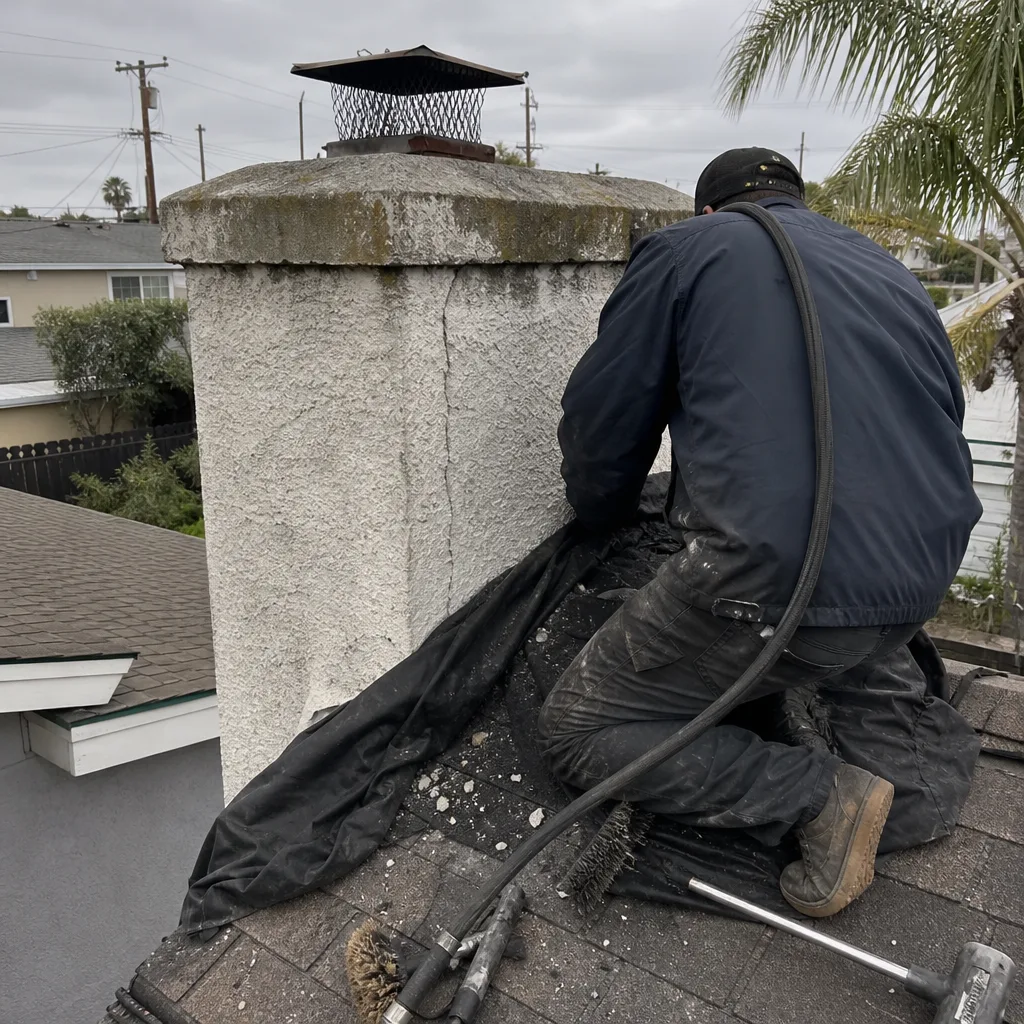
The two most common water entry points in Norwalk are the crown and the flashing. The crown is the concrete or mortar cap that covers the top of the chimney stack. When it cracks, water enters the brickwork below. In a standard masonry chimney, that water soaks into the brick, then migrates into the flue liner and the smoke chamber. The visible signs appear as water stains on the ceiling near the chimney, or efflorescence (white powder) on the exterior brick.
Flashing is the metal that seals the joint where the chimney meets the roof. In high-wind events, the flashing can lift or separate from the roof deck. When rain arrives, the gap lets water run directly into the roof system. Flashing problems in Norwalk often trace back to a Santa Ana event earlier in the season, not to the rain itself.
After any significant rain, check the ceiling near the chimney and the walls of the firebox for signs of moisture. If you see staining, don’t wait. Water inside the chimney structure will keep doing damage even after the rain stops, because the moisture is trapped inside masonry that gets no airflow.
Off-Season Chimney Care: What to Do When You’re Not Burning
Most of the year in Norwalk, the fireplace is unused. That doesn’t mean it’s maintenance-free. Here are four off-season routines that prevent the most common September surprises.
- Keep the damper fully closed. This is the single most effective off-season habit. An open damper creates a direct pathway for wind-driven debris, insects, and outdoor air to enter the home. It also allows warm summer air from the home to escape up the flue, which raises cooling costs. Check the damper seal with a flashlight. If you can see daylight around the edges when it’s closed, the seal needs attention.
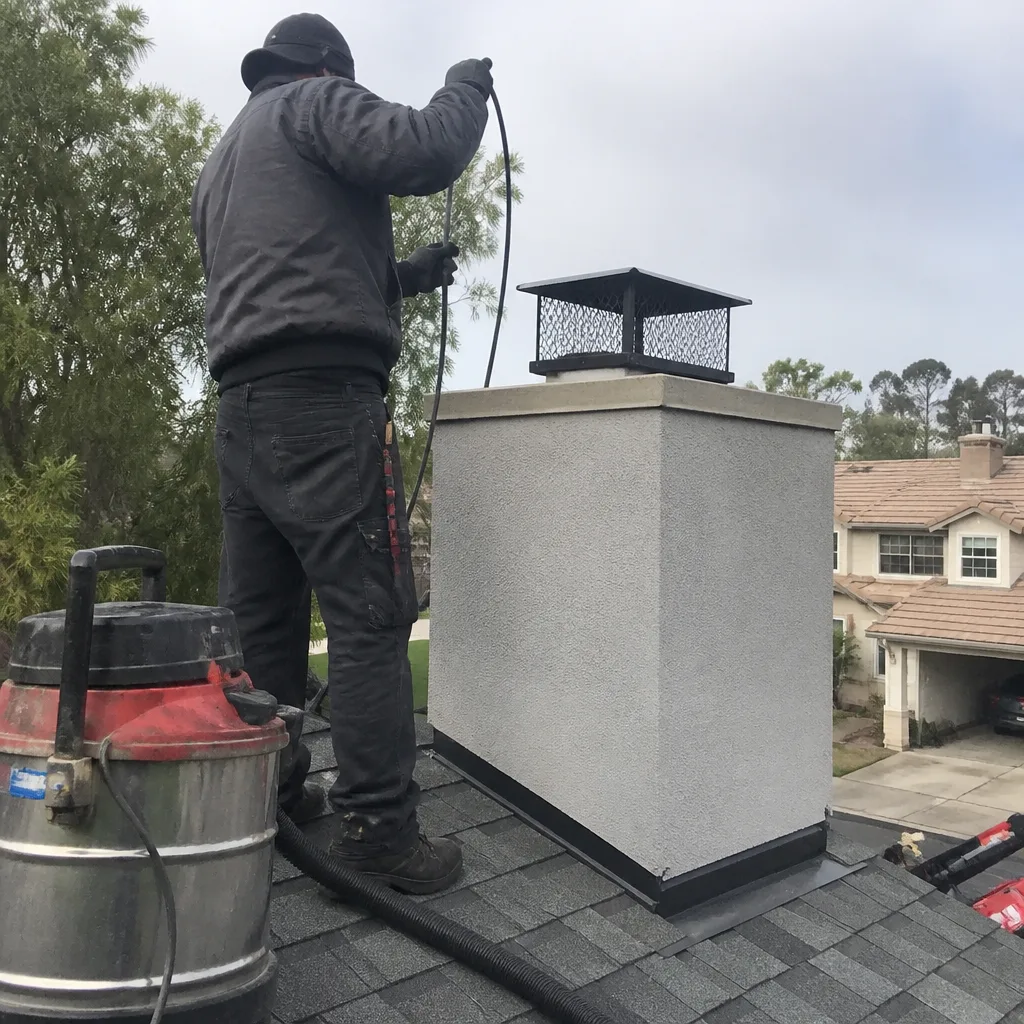
- Verify cap integrity every 30 days. The chimney cap is the first line of defense against rain, birds, and wind-blown debris. From the ground or a ladder (never the roof unless you’re trained for it), check that the cap is still seated and not visibly dented or displaced. A missing or damaged cap means everything that blows during the next Santa Ana event has a free path down the flue.
- Don’t store anything in the firebox. The firebox is not a storage space. Candles, kindling, newspaper, fire starters, and especially anything plastic or aerosol should never live in the firebox. Beyond the fire hazard, stored items trap moisture against the firebox floor, which accelerates brick deterioration.
- Run a small exhaust fan up the flue occasionally. During the long hot months, stale air inside the flue can carry odors into the living space. If you catch a smoky smell when the fireplace hasn’t been used in months, the flue is likely coated with creosote that’s warming up in the heat and releasing odor. A professional sweep removes that odor at the source.
How Much Does a Chimney Sweep Cost in Norwalk?
A basic chimney sweep and inspection in the Norwalk area typically runs between $150 and $250, depending on the condition of the flue, the height of the chimney, and whether the home has a standard masonry fireplace or a factory-built unit. For a detailed breakdown, see our Chimney Cleaning Cost Breakdown: The Norwalk Homeowner’s Reference for 2026. When the sweep includes a video camera inspection of the flue liner, add $50 to $100. If the chimney hasn’t been cleaned in more than three years, expect the price to land at the higher end, because hardened creosote takes longer to remove safely.
Heavier problems cost more, and the pricing below reflects what a dedicated chimney specialist typically charges in the Norwalk market. These are ranges, not quotes, because every chimney is different.
Keep in mind that a basic sweep is cleaning only. If the camera inspection reveals a cracked flue liner or deteriorated mortar joints, you’re looking at repair work, not just cleaning. A company that offers both cleaning and repair saves you a second inspection fee and the scheduling hassle of coordinating two contractors.
| Service | Typical Price Range in Norwalk |
|---|---|
| Standard chimney sweep and visual inspection | $150 – $250 |
| Sweep with video camera inspection | $200 – $350 |
| Chimney cap replacement (standard stainless) | $200 – $450 |
| Crown repair or reseal | $350 – $750 |
| Full flue liner replacement (DuraFlex system installed) | $2,500 – $5,500 |
| HeatShield flue resurfacing treatment | $2,000 – $4,000 |
| Dryer vent cleaning (companion service) | $125 – $200 |
Call (855) 942-0212 for an exact quote. Estimates are free.
DIY Checks vs. Professional Inspections: Where to Draw the Line
Homeowners can and should perform regular visual checks of the fireplace and chimney exterior. These checks are not a substitute for professional inspection, but they catch the obvious problems early.
What a homeowner can safely check:
- Visible debris in the firebox
- Obvious creosote buildup on the firebox walls or damper frame
- The position and condition of the damper
- Visible water stains on the ceiling near the chimney
- The chimney cap, viewed from the ground or a ladder (not the roof)
- Efflorescence (white mineral deposits) on exterior brick
- Unusual odors from the fireplace when not in use
What requires a trained professional:
- Any inspection of the flue liner beyond the first few feet visible from below
- Any determination that creosote buildup is at a safe level (it takes experience to judge)
- Any work on the roof: crown, cap, flashing, or chase top
- Any repair inside the flue, including parging, liner replacement, or HeatShield application
- Any work involving the gas line, gas log set, or gas valve
The flue is the part of the system that runs from the firebox to the cap. It’s the component that contains the fire and channels the smoke. A cracked flue liner is invisible from the ground and can’t be assessed without a video camera inspection. The gap between what a homeowner can see and what’s actually happening inside the flue is where most chimney fires start. The National Fire Protection Association recommends an annual inspection for any chimney in use, regardless of fuel type. In Norwalk, that recommendation aligns with the September pre-season sweep.
Common Mistakes to Avoid
- Skipping the annual sweep because you “didn’t burn that much.” In Norwalk, low-volume burning is often the problem, not the solution. Infrequent fires smolder more, and smoldering fires deposit more creosote per hour of burn time. Every chimney in use needs an annual professional look.
- Waiting until October to call for a sweep. September is the smart window in Norwalk. By mid-October, the pre-season rush is in full swing and the first cold snap has already triggered a wave of same-week requests. Booking in September means the chimney is ready the first night you want a fire.
- Assuming a “clean” chimney is a safe chimney. A sweep removes creosote. It does not repair a cracked liner, replace a missing cap, or fix a failed crown. If the chimney has structural problems, cleaning only removes the symptom, not the risk.
- Storing kindling or fire starters in the firebox. This is a habit we see in a surprising number of Norwalk homes. The firebox is not a storage cubby. Combustible material sitting in the firebox overnight is a hazard that serves no purpose.
- Ignoring the dryer vent because it isn’t a chimney. Dryer vent cleaning addresses a leading cause of house fires, and it belongs in every homeowner’s annual fire-safety routine. A chimney clean and a dryer vent clean are two separate systems, but both need attention. One call can cover both.
- Using unseasoned wood from a big-box store because it’s convenient. Green or semi-seasoned wood produces dramatically more creosote than properly dried hardwood. If the wood hisses, pops excessively, or burns with a dull flame, it’s not seasoned. In Norwalk, green wood is especially common in late fall when demand spikes.
When to Call a Professional
Call a professional chimney specialist if you see water stains inside the firebox or on the ceiling near the chimney, smell smoke when no fire has burned in weeks, see creosote that looks shiny or tar-like, or notice cracked or missing mortar on the exterior chimney. Also call if your chimney cap is missing, damaged, or visibly displaced after a wind event. Any of these signals means the system is compromised, and the problem will only get more expensive the longer it waits. Chimney Repair in Norwalk offers free estimates in Norwalk. Call (855) 942-0212.
Frequently Asked Questions
Once per year, before the burn season begins in October, regardless of how often you burn. Low-frequency burning in Norwalk often produces more creosote per fire than high-frequency burning, because weekend fires tend to smolder. A professional sweep and inspection in September catches buildup and structural issues before the first fire. Call (855) 942-0212 to book the pre-season sweep.
Not necessarily. Minor cracking in the flue liner can sometimes be addressed with a resurfacing system like HeatShield, which seals the interior surface without removing the original liner. More extensive deterioration often calls for a DuraFlex flexible liner. The right answer appears only on camera, and the video belongs to you. Ask to see the footage before any repair is recommended. Call (855) 942-0212 for a free estimate.
Creosote builds up in layers. The first layer is dusty and easy to remove. Over time, that layer hardens into a tar-like coating that is both highly flammable and far more difficult to clean. A chimney fire is a high-temperature event that can crack the flue liner, ignite the roof structure, and spread into the home. Skipping years between sweeps in Norwalk does not save money. It defers a small cost into a potentially large one.
We don’t recommend it. The chimney is a confined space. The creosote and soot inside it are fine particulate matter that you don’t want to breathe in. Roof work is inherently dangerous, and the tools required to clean a flue properly, including brushes sized to the flue and a vacuum that filters fine particles, are specialized. A professional sweep is safer, faster, and produces an inspection you can act on.
Yes, but less frequently. Gas fireplaces do not produce creosote, but they do produce condensation that can corrode the flue liner over time. They also attract birds and pests. A professional inspection of a gas fireplace chimney should happen at least every two years, and the cap should be checked seasonally.
Yes. Our team works with DuraFlex flexible liner systems, HeatShield flue resurfacing compound, and materials sourced from professional chimney supply houses like Chimney Repair Norwalk home, not hardware-store substitutes. That matters because a liner installation or resurfacing job is only as good as the materials and the training behind it. We don’t just sweep: we repair what we find.
The Bottom Line
Chimney care in Norwalk follows a rhythm that’s specific to the climate and the burn pattern of the region. The season is short, but the homework is year-round. A September sweep, a February post-season assessment, and a June structural check create a framework that catches problems before they become fires, leaks, or multi-thousand-dollar repairs. After any Santa Ana event, a quick visual check for debris and creosote takes two minutes and prevents the most common first-fire hazards. From the firebox to the cap, every component inspected. If you haven’t scheduled this year’s sweep, call (855) 942-0212 for a free estimate in Norwalk.
Written by the team at Chimney Repair Norwalk, serving Norwalk since 2017.
See the difference
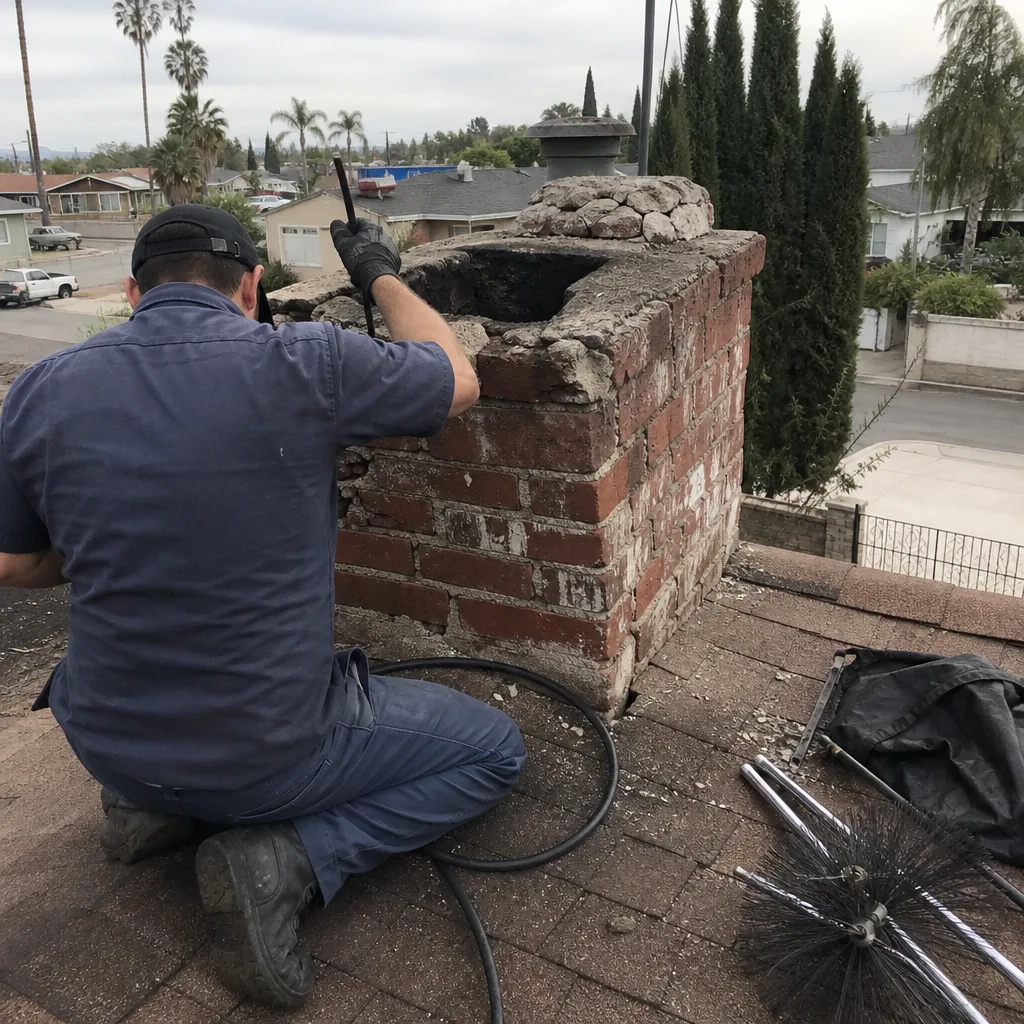 Before
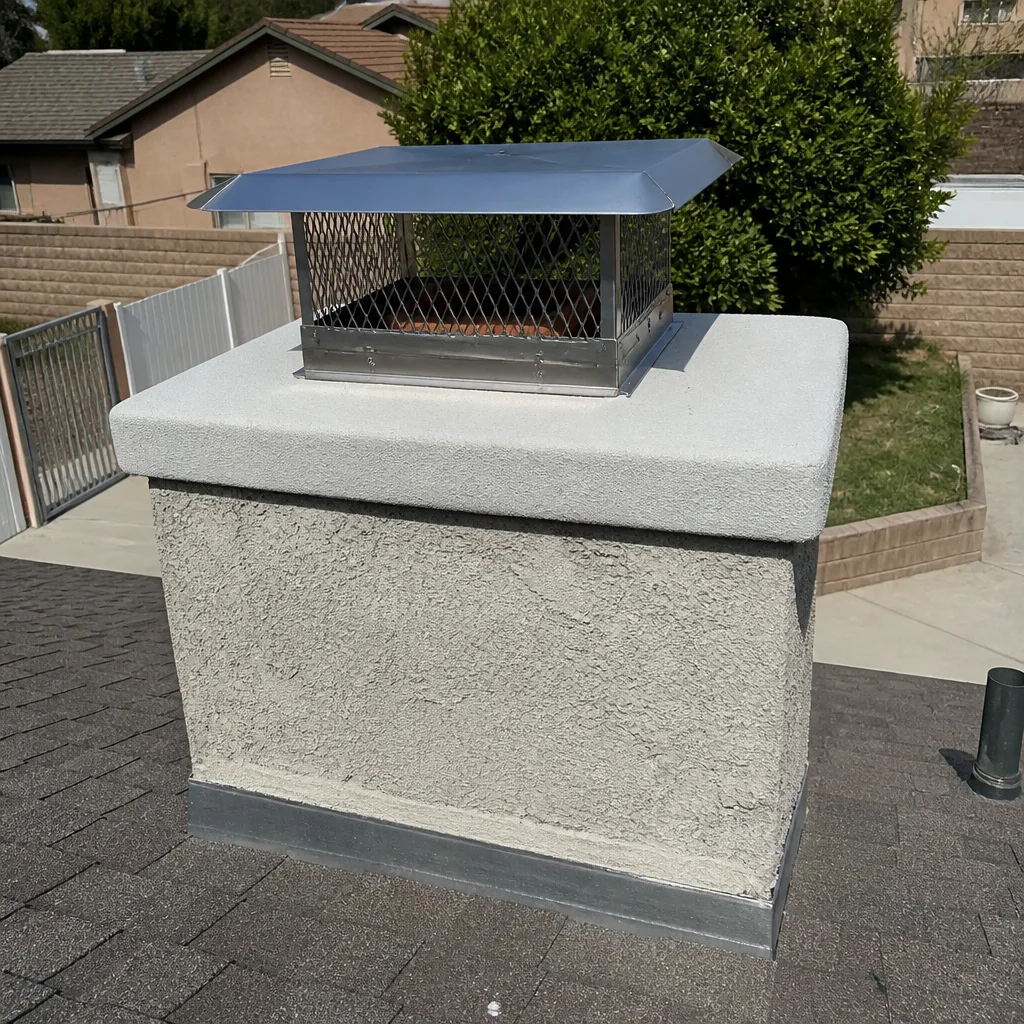 After
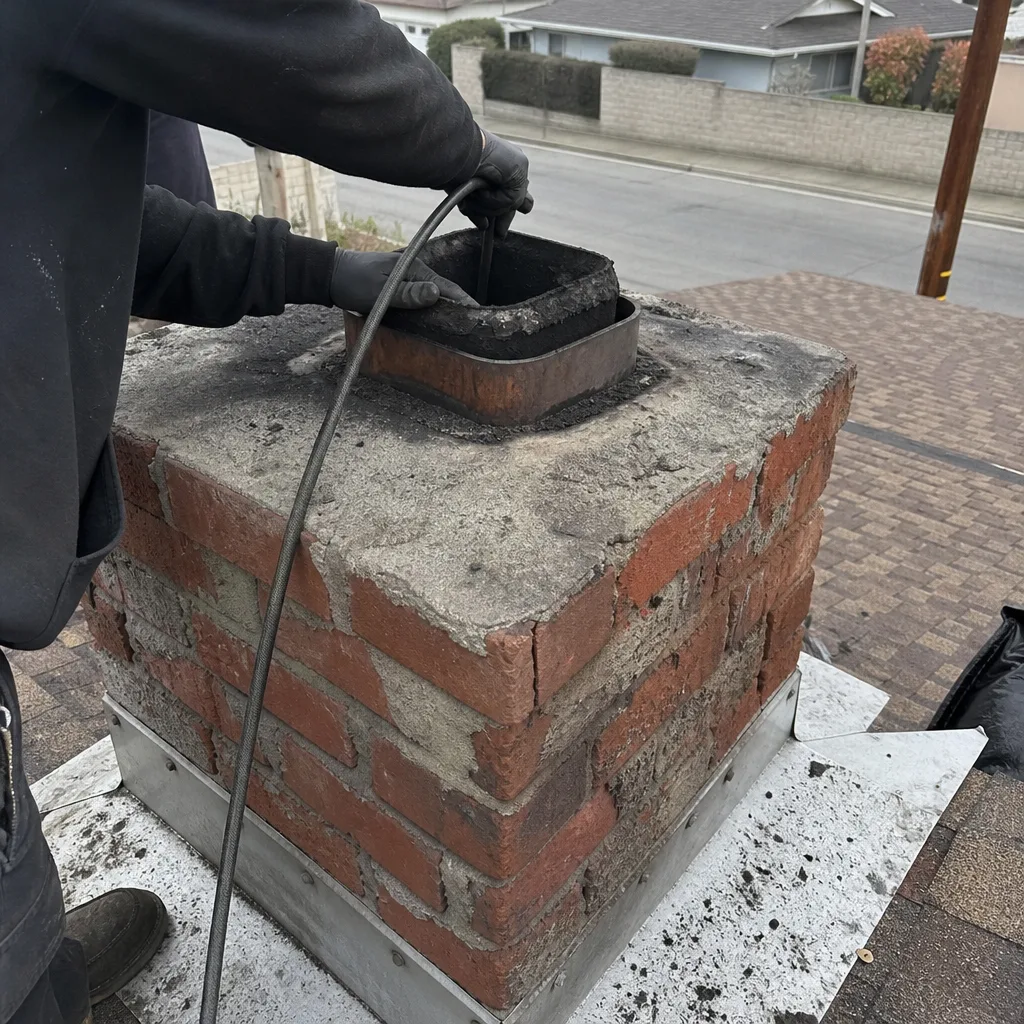 Before
 After
 Before
 After