
Last updated November 2, 2026
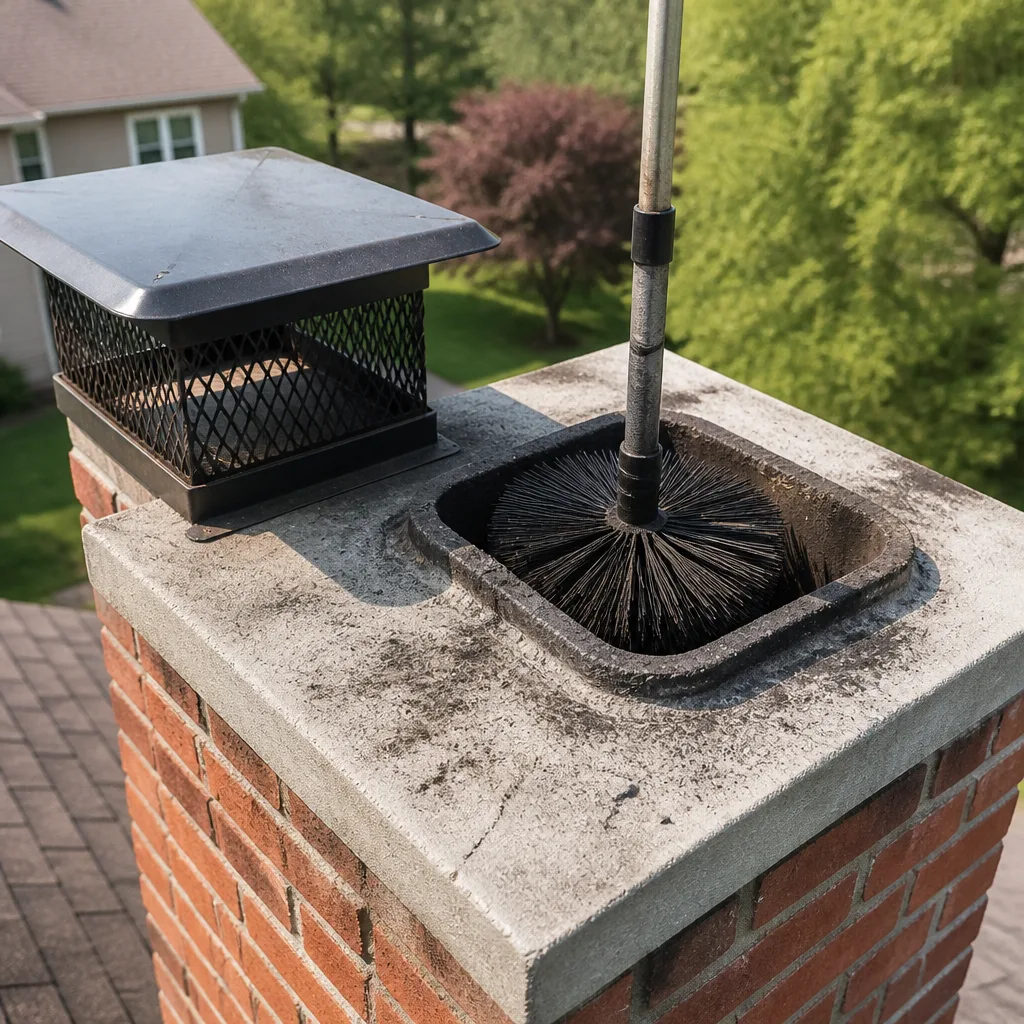 Sweep & inspection
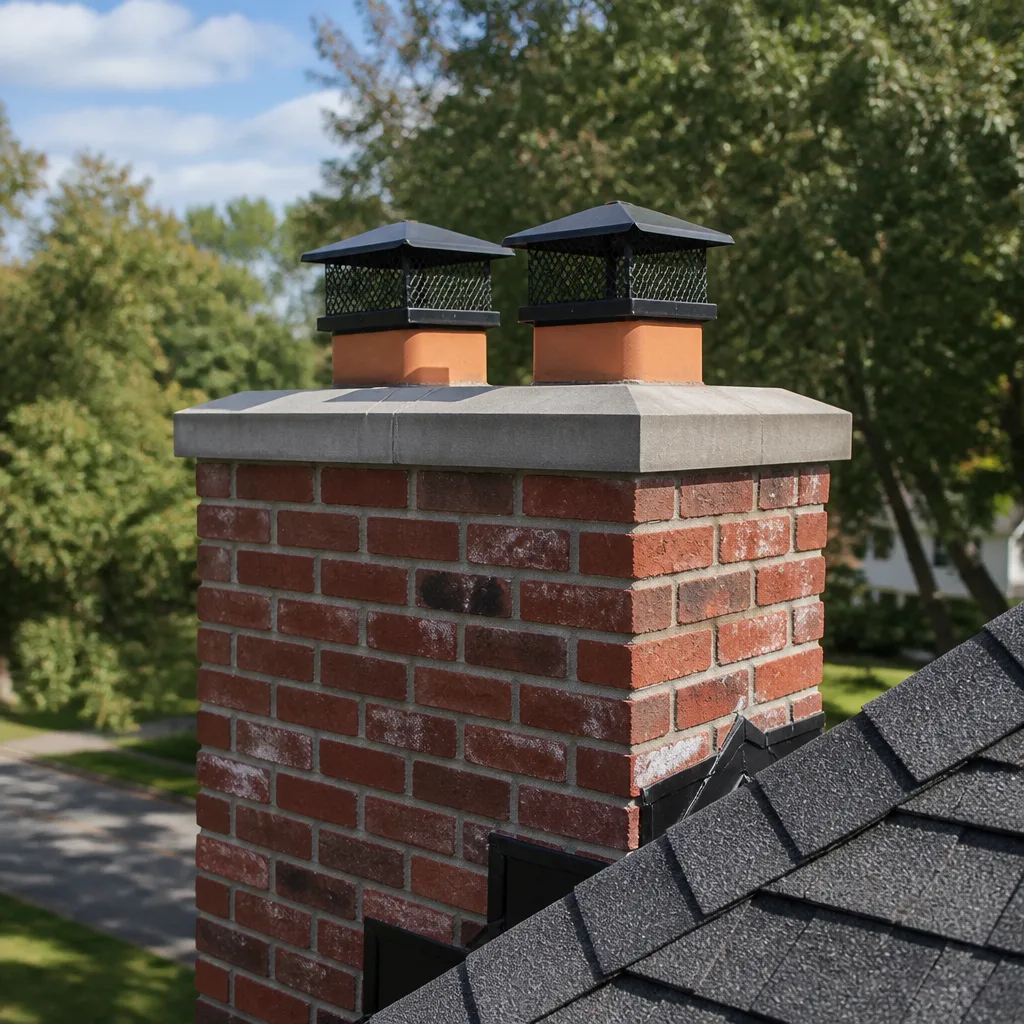 Caps & crowns
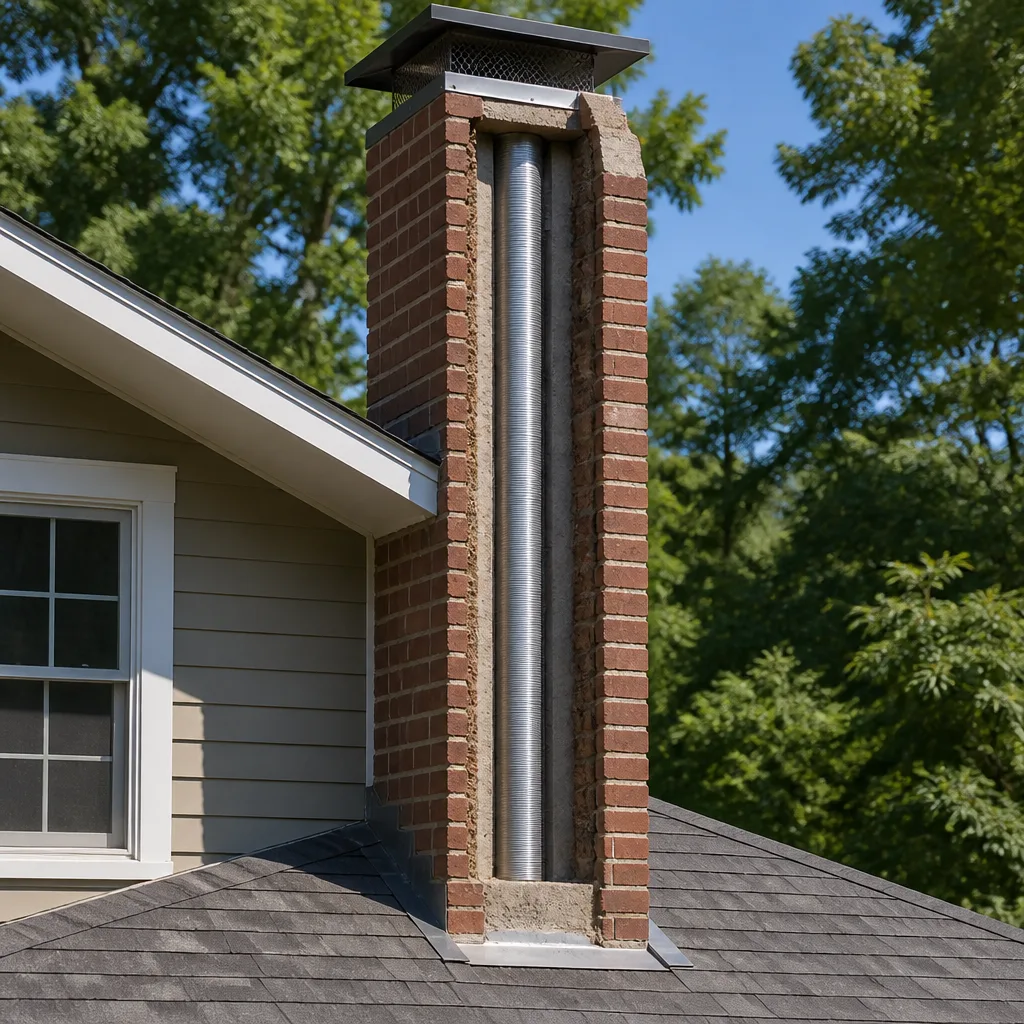 Flue relining
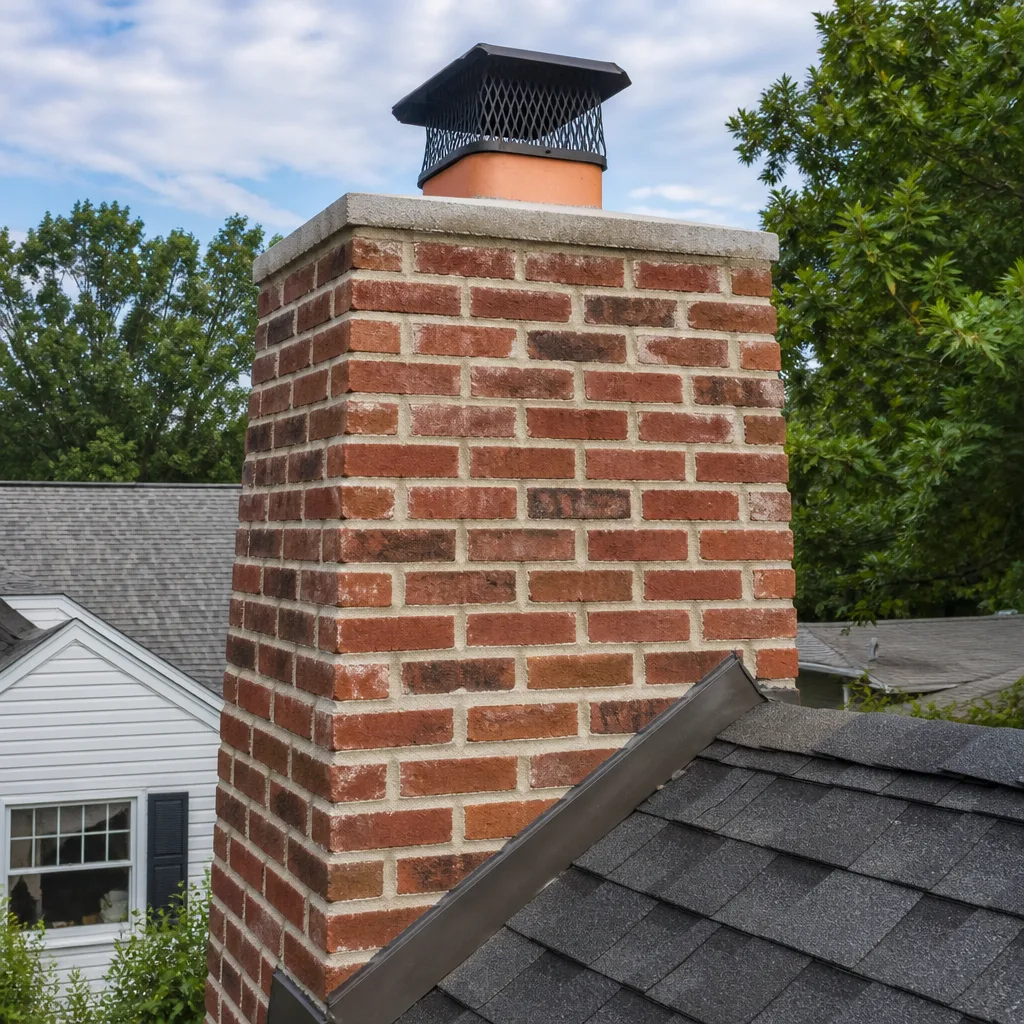 Masonry repair
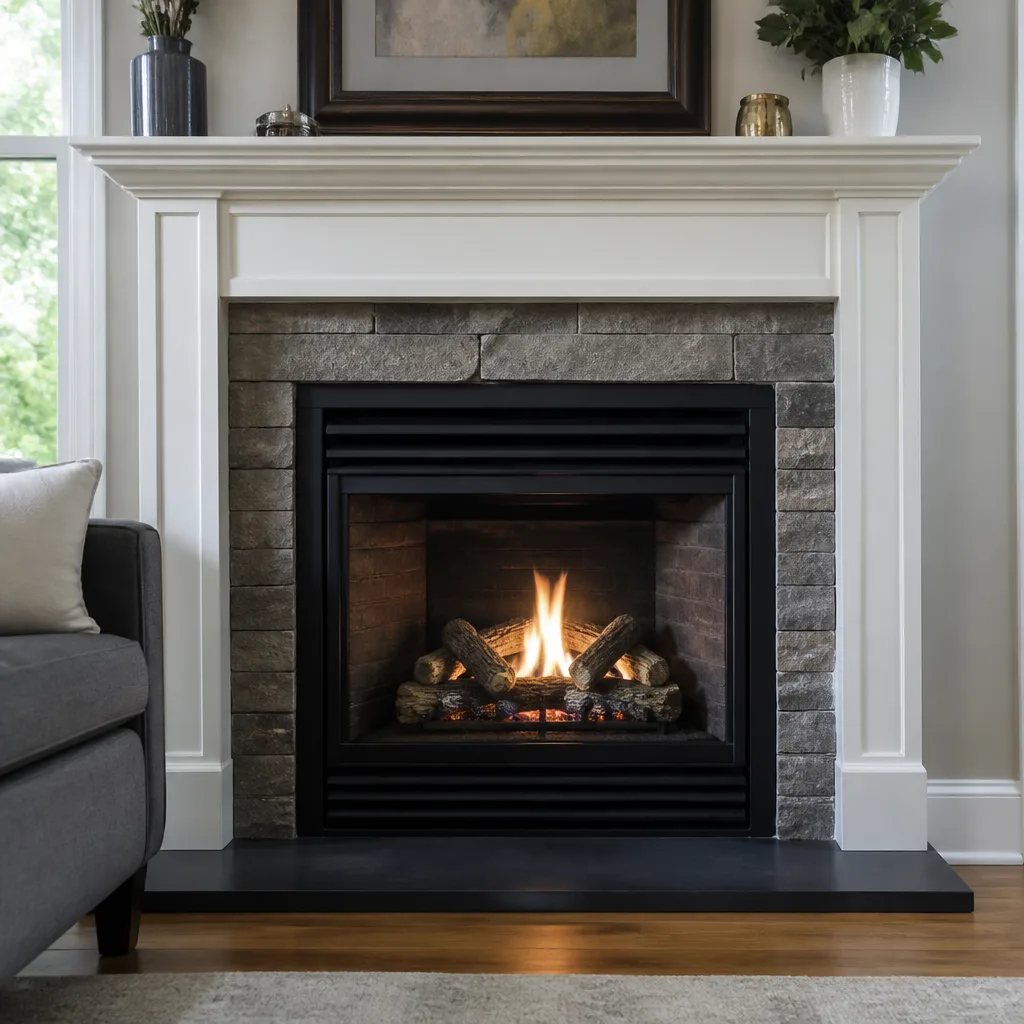 Gas fireplace service
Level 1 sweep and inspection to the NFPA 211 annual standard - flue, crown, cap, and flashing checked and photographed
Chimney sweep logs do not sweep chimneys. They loosen some creosote - which then falls where a brush and vacuum still have to collect it.
How to Hire a Chimney Cleaning Contractor in Norwalk: A Step-by-Step Guide
Here’s a number most Norwalk homeowners don’t know: chimney fires account for roughly 25,000 residential fires in the United States every year, and the majority trace back to one preventable cause – creosote buildup that a qualified sweep would have removed in under an hour. The gap between a clean chimney and a safe chimney comes down to who holds the brush. In this guide, we’ll walk through exactly how to separate a credentialed chimney specialist from a guy with a van and a Groupon listing, which certifications actually matter, what a real quote should include, and the specific red flags we see in the Southern California market. For more guides & resources, see our blog.
Quick Answer
To hire a chimney cleaning contractor in Norwalk, verify CSIA certification, confirm current liability insurance and a valid California CSLB license, require a written inspection report with camera documentation, and get a line-item quote that specifies the scope of sweeping, inspection, and any repairs. A qualified specialist should be able to name their certification number on the spot and should repair what they find rather than handing you a referral slip for another company.
Styles & brands we work with
- Sweep & inspection
- Caps & crowns
- Flue relining
- Masonry repair
- Gas fireplace service
Table of Contents
- Credentials That Actually Matter: CSIA, NFI, and What They Mean
- License and Insurance: How to Verify a Norwalk Contractor
- How to Read a Chimney Cleaning Quote Line by Line
- Red Flags Specific to the Southern California Market
- Equipment Questions That Reveal Real Capability
- Why Cleaning Alone Misses the Point: The Repair Capability Question
- The Service Nobody Asks About: Dryer Vent Cleaning
- The Hiring Process, Step by Step
- Common Mistakes to Avoid
- When to Call a Professional
- Frequently Asked Questions
Credentials That Actually Matter: CSIA, NFI, and What They Mean
The first question to ask any prospective chimney sweep in Norwalk is not “how much” – it’s “what certifications do you hold, and what’s your certification number?” A CSIA Certified Chimney Sweep has passed a written exam covering combustion science, clearance codes, liner systems, and drying and venting principles. Certification is not a weekend seminar. It requires documented experience, passing the exam, and ongoing continuing education credits to maintain the credential.
NFI certification is a separate credential issued by the National Fireplace Institute and comes in three categories: NFI Woodburning Specialist, NFI Gas Specialist, and NFI Pellet Specialist. For a homeowner with a wood-burning fireplace, an NFI Woodburning Specialist has demonstrated specific knowledge of wood combustion and wood-burning appliance installation. The two credentials are not interchangeable, and a contractor who holds only one may not be equipped to service every system in your home.
Here’s what each credential actually covers:
- CSIA Certified Chimney Sweep: The standard-bearer for sweeping and inspection. The exam covers fire codes, clearances, liner systems, and safety protocols. This is the minimum credential we recommend requiring.
- NFI Woodburning Specialist: Focused on wood-burning stoves and fireplaces – combustion efficiency, appliance installation, venting requirements. Relevant if you burn wood regularly.
- NFI Gas Specialist: Covers gas log sets, gas inserts, and direct-vent systems. Relevant if you have a gas fireplace or are considering a conversion.
- Unlicensed or “experienced”: No credential, no exam, no continuing education requirement. This person may have swept hundreds of chimneys. They may also have missed a cracked flue liner on every single one.
In Norwalk specifically, where many homes built in the 1950s and 1960s have original masonry chimneys that have never been relined, a sweep without certification is a liability – not because the sweeping itself is difficult, but because recognizing deterioration in an aging flue requires training. Ask for the certification number. A certified sweep can provide it in five seconds. Anyone who hesitates is telling you something.
License and Insurance: How to Verify a Norwalk Contractor
California requires chimney contractors to hold a CSLB license as a C-61/D-29 (Chimney Sweep) or C-29 (Masonry) classification, depending on the scope of work they perform. Sweeping alone falls under D-29; any masonry repair or rebuild work falls under C-29. A contractor who performs both cleaning and structural repair needs both classifications or a general contractor’s license that covers the scope. You can verify any license at the CSLB website in about two minutes using the contractor’s name or license number.
Insurance is the second non-negotiable. A contractor working on your roof and inside your flue should carry general liability insurance with a minimum of $1 million in coverage, plus workers’ compensation if they employ anyone. Here’s the verification process we recommend for any Norwalk homeowner:
- Ask for the license number directly. Write it down. Do not accept “fully licensed” as an answer – that phrase appears on every scam and every legitimate contractor’s pitch. The number is what matters.
- Verify at cslb.ca.gov. The CSLB database shows license status, classification, issue date, and any complaints or disciplinary actions on record.
- Ask for a certificate of insurance. The contractor’s insurer can provide a certificate naming you as an additionally insured party for the job. If the contractor resists this request, hang up.
- Check for CSIA certification separately at csia.org. The CSIA maintains an online directory of certified sweeps. Cross-reference the name against the license.
In our experience in Norwalk and surrounding Los Angeles County communities, the contractors who flinch at verification requests are almost always the ones who should never be on your property. A legitimate specialist expects to be checked. It takes less than ten minutes and it eliminates the weakest candidates from your list before you’ve spent a dollar.
How to Read a Chimney Cleaning Quote Line by Line
A chimney cleaning quote that says “Chimney Sweep – $99” tells you exactly one thing: the company is selling price, not service. A proper quote for chimney sweeping in Norwalk should break down into line items that describe the actual work being performed. For a detailed Chimney Cleaning Cost Breakdown: The Norwalk Homeowner’s Reference for 2026, see our dedicated guide. Here’s what a legitimate quote should include, and what each line item actually means:
- Chimney sweeping (firebox to cap): The mechanical removal of creosote and soot from the flue liner using wire or poly brushes sized to your flue dimensions. Some companies quote this as a flat rate; others charge by the foot with a minimum.
- Level 1 inspection: A visual inspection of accessible portions of the chimney and appliance. This should be included with every sweep. If a company charges separately for a “basic look” during a cleaning, ask why.
- Camera inspection: If you suspect damage or haven’t had the chimney inspected in years, this line item covers a closed-circuit camera run through the flue. It produces the photographic evidence you need to verify any repair recommendation. This is where the real value sits – a sweep without camera capability can only guess what’s happening mid-flue.
- Debris removal and disposal: The bagged soot and creosote get hauled away. This should be included, not an add-on.
- Cap and damper inspection: A summary report on the condition of the chimney cap, spark arrestor, and damper assembly. This is part of the Level 1 inspection.
- Repair estimate, if applicable: If the sweep finds a cracked flue tile, deteriorated mortar joint, or damaged cap, a separate repair estimate should follow with photographic documentation from the camera run.
What a quote should not contain: vague phrases like “cleaning and maintenance” without specifics, a suspiciously low flat rate that doesn’t reference your chimney’s height or flue dimensions, or pressure language like “today-only pricing.” In the Norwalk market, we see lowball sweep prices from companies that recover the margin by “discovering” urgent repairs the moment they get on the roof. A line-item quote protects you from that dynamic because the scope is defined in writing before the work begins.
Red Flags Specific to the Southern California Market
Norwalk sits in a dense, competitive market for home services, and chimney cleaning attracts a specific type of operator: the low-overhead generalist who lists 20 services on one website and has no specialty in any of them. These companies thrive on volume, and their pricing model depends on upselling once they’re on-site. Here are the red flags we tell every Norwalk homeowner to look for:
- The $49 sweep: If the price sounds too low to pay a trained professional for two hours of labor with $15,000 of equipment, that’s because it is. The $49 sweep is a lead-generation tool. The real invoice comes after the “inspection” reveals a $3,000 liner problem – which may or may not exist.
- No written inspection report: A professional Level 1 inspection produces a written record. If the contractor offers a verbal summary and nothing you can keep, you have no documentation of what they found, no baseline for future comparisons, and no evidence if they missed something serious.
- Same-day repair pressure: “Your flue is cracked, we can fix it today if you sign now” is a pressure tactic, not a professional assessment. Real chimney repairs are rarely same-day emergencies unless you’ve had a visible chimney fire. A legitimate specialist documents the problem, provides photos, and gives you time to review the estimate and get a second opinion.
- No Southern California climate awareness: Norwalk’s mild climate means many homeowners use fireplaces seasonally rather than as primary heat. A contractor who treats a seasonal fireplace like an Ohio wood stove that burns constantly may recommend unnecessary cleaning frequency. Ask how they determine cleaning intervals – the answer should reference your actual usage, not a generic “every year” rule.
- Generalist service list: If the same company offers gutter cleaning, pressure washing, window washing, and chimney sweeping, you’re hiring a generalist. There’s nothing wrong with a generalist for gutters. For a fire-safety inspection of your chimney system, hire a specialist.
Equipment Questions That Reveal Real Capability
You can tell a lot about a chimney contractor by asking two questions: “What kind of vacuum do you use?” and “Do you run a camera through the flue?” The answers separate sweep-only operators from companies with genuine diagnostic and repair capability. Here’s why each question matters:
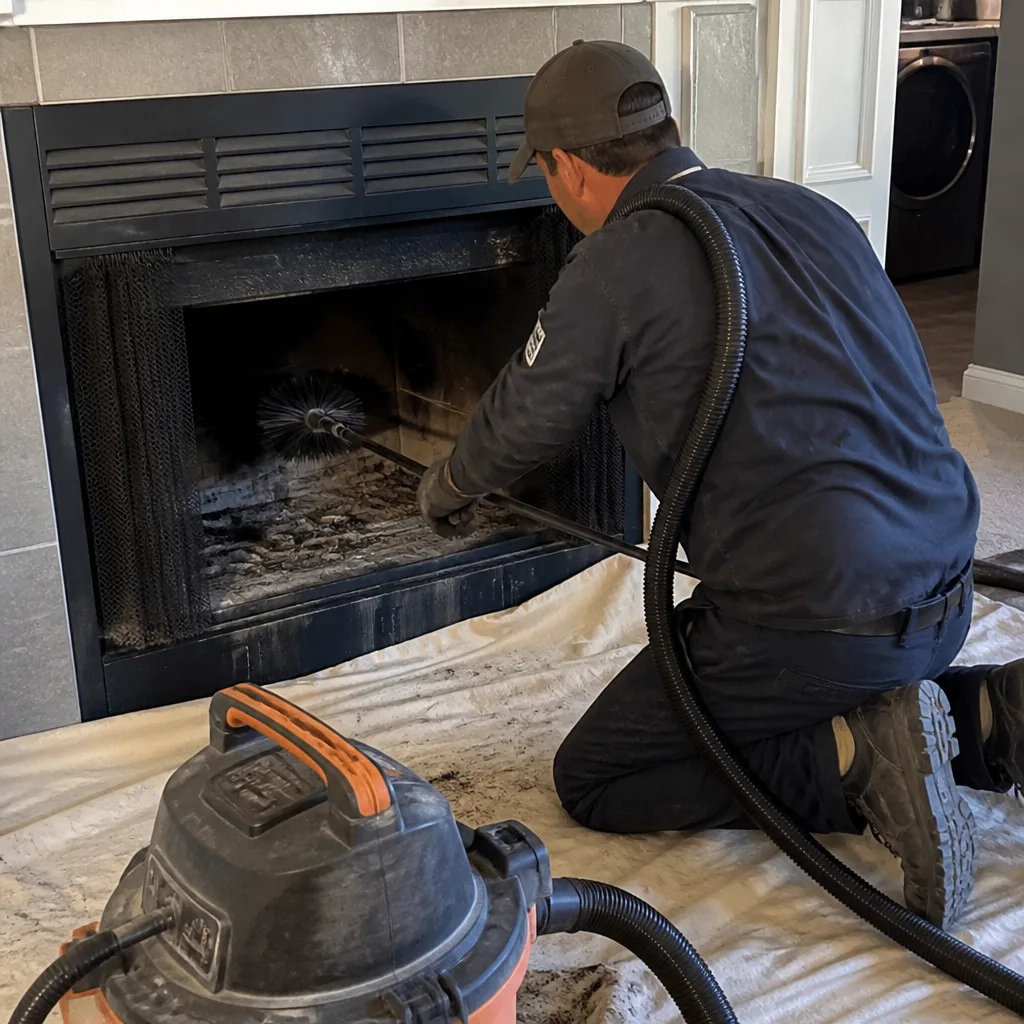
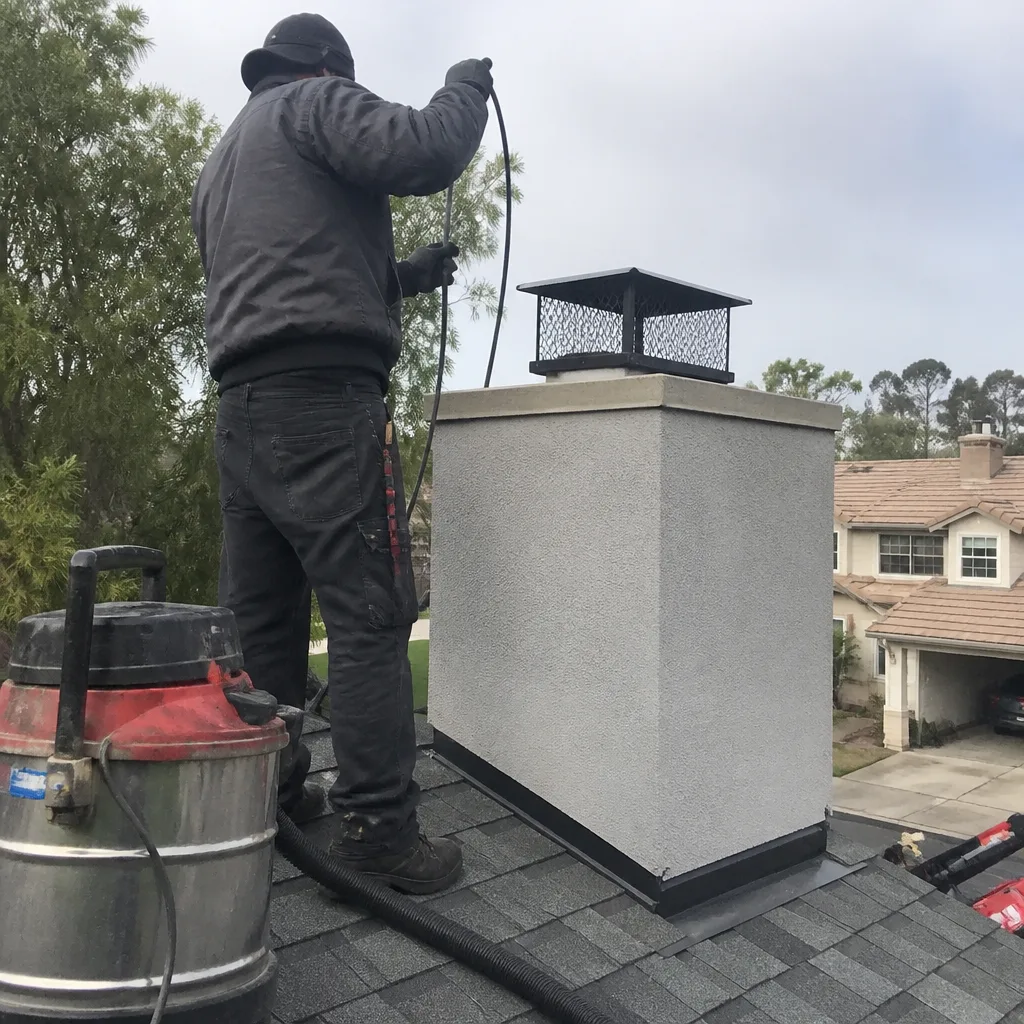
HEPA vacuum systems: A professional chimney sweep uses a HEPA-filtered vacuum rated for fine particulate capture. Creosote dust is a respiratory irritant and a known carcinogen in chronic occupational exposure. A contractor who brings a shop vac from Harbor Freight is not protecting you, your home, or themselves from the byproducts of combustion. Ask the question. A qualified professional will answer “HEPA” without hesitation and can name the unit.
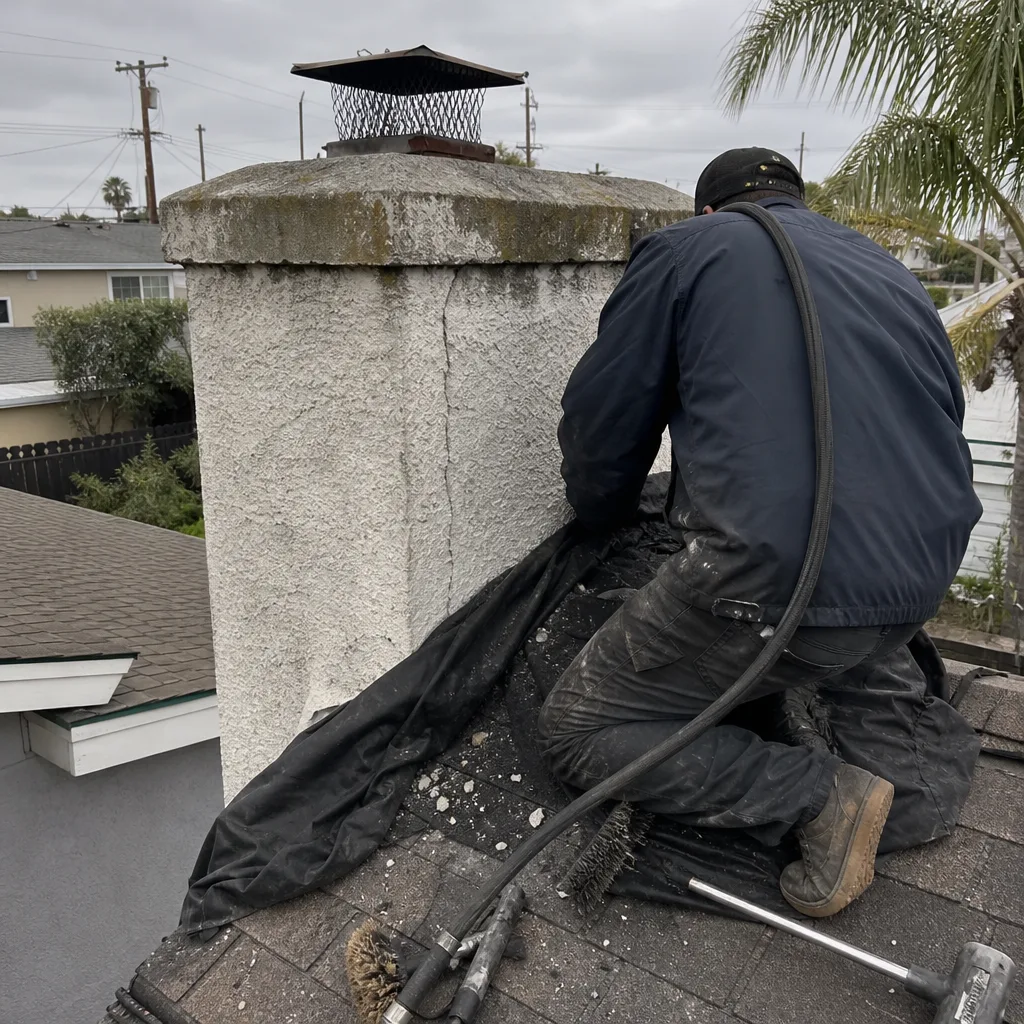
Camera inspection capability: A closed-circuit chimney camera runs through your flue and documents its interior condition, top to bottom. Without it, a sweep can inspect the first few feet of the flue from the firebox and whatever is visible from the roof – which leaves most of the chimney unexamined. If the contractor cannot provide camera documentation of the flue’s condition, they are guessing when they tell you the chimney is safe. In Norwalk, where pre-1970 masonry chimneys often have clay tile liners that crack over decades, camera inspection is the only way to verify liner integrity before recommending repair or relining.
Brush systems and sizing: Flue brushes come in wire and polypropylene variants, sized to your flue dimensions. A professional carries multiple sizes and selects based on your liner material. A single-size-fits-all brush can damage a terra cotta liner or fail to remove glazed creosote from a stainless steel liner. Ask what size flue you have and what brush they’ll use. If they can’t answer the first question, they certainly can’t answer the second.
Protective equipment: Drop cloths, shoe covers, corner guards on hoses and tools. This is the difference between a contractor who treats your living room as a worksite and one who treats it as simply another house. Norwalk homes come in every configuration – from 1950s single-story ranchers to newer two-story builds – and the approach should adapt to the home, not the other way around.
Why Cleaning Alone Misses the Point: The Repair Capability Question
Here’s the problem with hiring a company that only sweeps chimneys: an inspection is only as useful as your ability to act on what it finds. If the sweep identifies a deteriorated flue liner and then hands you a card for another company, you’re now managing two contractors, two schedules, two invoices, and a gap between diagnosis and remediation that leaves a known fire hazard in your home. The hiring process should filter for companies that can sweep and repair under one roof.
This distinction shows up most clearly in the products a contractor carries. A company that repairs chimney systems should be familiar with professional-grade materials – not what’s on the shelf at a hardware store. For example, DuraFlex flexible liner systems are a recognized standard for stainless steel relining, designed for masonry chimneys that have lost their original clay tile integrity. HeatShield is a specialized flue resurfacing compound applied to deteriorated masonry flues, restoring an intact surface without a full rebuild. Olympia Chimney and Copperfield supply professional components – caps, dampers, flashing, and chase covers – that a hardware store simply doesn’t stock.
Ask a prospective contractor: “What do you do with a cracked flue liner?” The answer tells you everything. If they say “we don’t do repairs,” you know their inspection ends with a referral. If they start talking about liner systems and resurfacing options, you’re talking to a company with actual remediation capability. We don’t just sweep – we repair what we find, because an inspection that produces only a written report doesn’t make your home any safer. A chimney that’s clean is not the same as a chimney that’s safe.
For more on what structural chimney repair involves, see our guide to Chimney Repair in Norwalk.
The Service Nobody Asks About: Dryer Vent Cleaning
Dryer vent fires account for approximately 2,900 residential fires annually in the United States – a number that belongs in this guide even though most chimney cleaning companies will never mention it. Lint accumulation in dryer vent ducts ignites more readily than most homeowners realize, and because the fire breaks out inside a wall cavity, it spreads faster than a typical room fire.
The reason this belongs in a chimney hiring guide is simple: the same company that inspects your chimney can inspect your dryer vent, and the homeowner who coordinates both with one contractor is more likely to actually get both done. Most chimney-only companies don’t offer dryer vent cleaning. It’s a service gap that leaves a leading cause of residential fires unaddressed in homes that already have combustion appliances.
When you’re evaluating contractors, ask whether they clean dryer vents. A specialist who handles both understands the interconnected fire-safety picture of a home: wood-burning appliance, vented gas or electric dryer, and the lint and creosote that accumulate in each. One call covers your chimney and your dryer vent. In Norwalk, where laundry rooms are often interior spaces with longer vertical vent runs to the roof, the thoroughness of that vent cleaning matters more than in homes with short horizontal runs that terminate at an exterior wall.
For a deeper look at what’s involved, read our page on Dryer Vent Cleaning in Norwalk.
The Hiring Process, Step by Step
Here’s the complete vetting and hiring sequence we recommend for Norwalk homeowners, organized from first contact to completed service:
- Build a list of three candidates. Start with the CSIA directory, the Chimney Repair Norwalk home page, and any recommendations from neighbors. Skip marketplace apps and daily-deal sites – the companies that win on Groupon are competing on price, not on certification or inspection quality.
- Call each candidate and ask the credential questions. License number? CSIA certification number? Insurance coverage amount? Write down the answers. A legitimate specialist answers without hesitation. Anyone who gets defensive is off the list.
- Verify what you were told. Check the CSLB database, the CSIA directory, and request a certificate of insurance. Ten minutes of verification eliminates the weakest candidate before they ever step on your property.
- Request a written quote with line items. If the company refuses to provide a written quote before starting work – or if the quote is a single vague line like “chimney sweep” – move on. The quote process is a filter, and a company that won’t put scope in writing won’t stand behind the work either.
- Ask about inspection reporting. “Will I receive a written inspection report with photos?” The answer must be yes. A verbal “everything looks good” is not an inspection, it’s a conversation. You’re paying for documentation.
- Ask about repair capability. “What happens if you find damage?” The answer should be a description of how the company estimates, documents, and performs repairs – not a referral to a third party. This question alone filters out most sweep-only operators.
- Schedule the service. Choose the contractor who passed every filter and book the appointment. You’ll likely need to schedule a week or two out for a specialist; that wait time is itself a signal that the company is in demand for the right reasons.
- Review the report after the service. Your written inspection report should include photos of the flue interior, notes on brush sizes used, creosote levels observed, and any repair recommendations with cost estimates. File it. You’ll want it for comparison next year and for disclosure if you ever sell the home.
Common Mistakes to Avoid
- Hiring on price alone. The cheapest sweep in Norwalk is often the most expensive one: a $49 cleaning that “discovers” a $4,000 liner problem. Price is a data point, not a decision criterion.
- Skipping the license check. The CSLB database is free and takes two minutes. Hiring an unlicensed contractor means you have no recourse through the state if the work is substandard or causes damage.
- Accepting a verbal inspection summary. Without a written report and photos, you have no baseline for future inspections and no documentation if a problem was missed. A professional sweep provides documentation as a matter of course.
- Approving same-day repairs under pressure. Legitimate chimney repairs – liner replacement, flue resurfacing, crown rebuilds – require estimates, material ordering, and scheduling. “We can do it right now” is a sales script, not a remediation plan.
- Ignoring the dryer vent. Millions of households have a fire hazard in their wall that has nothing to do with the fireplace. If your contractor doesn’t mention it, ask about it.
- Assuming a clean chimney is a safe chimney. Creosote removal addresses fire risk from accumulation. It does nothing for a cracked liner, a failed damper, or a masonry crown that’s letting water into the system. Cleaning and inspection are separate functions; both are necessary.
- Not asking what happens after the inspection. A company that can only identify problems but not fix them leaves you with a written report and a follow-up task you may not complete. In our experience, the homeowners who wait to address a documented liner issue are the ones who end up with emergency repairs – or worse.
When to Call a Professional
If your fireplace produces smoke back into the room, you hear animals or debris in the flue, you’ve burned more than a cord of wood since the last cleaning, you see black staining on the exterior around the chimney, or you suspect a chimney fire has occurred (evidence includes honeycomb-shaped creosote, cracked flue tiles visible from the roof, or deformed metal components), call a CSIA-certified specialist before the next fire is lit. The same applies if your dryer takes longer than 45 minutes to dry a load or the vent flap doesn’t open during operation. These are not aesthetic issues. They’re fire-safety signals with clear, well-documented failure modes. Chimney Sweep in Norwalk services are our core offering – we inspect from the firebox to the cap and we repair what we find. From the firebox to the cap, every component inspected. Chimney Repair Norwalk offers free estimates in Norwalk – call (855) 942-0212.
Frequently Asked Questions
The National Fire Protection Association standard (NFPA 211) says chimneys should be inspected at least once a year and cleaned when creosote reaches 1/8 inch of accumulation. In Norwalk’s seasonal-burning climate, a wood-burning fireplace used a few nights a week from November through February may only need sweeping every one to two years. For year-round maintenance tips, read our Seasonal Chimney Cleaning Care for Norwalk: Year-Round Homeowner’s Guide. Heavy use, burning unseasoned wood, or burning softwoods like pine accelerates creosote buildup. The inspection determines the cleaning interval. Call (855) 942-0212 if you’re not sure when yours was last checked.
A professional chimney sweep in the Norwalk and greater Los Angeles County market typically runs $150 to $350, depending on chimney height, flue dimensions, creosote level, and whether a camera inspection is included. Line-item quotes protect you from lowball pricing that recoups margin through unsolicited repair recommendations. Estimates are free – call (855) 942-0212 for an exact quote on your chimney.
A Level 1 inspection is a visual examination of accessible portions of the chimney and appliance, included with every routine sweeping. A Level 2 inspection adds camera footage of the flue interior and is required when the property changes hands, after a chimney fire, after an earthquake or weather event, or when the appliance or flue has been modified. In Los Angeles County, we recommend a Level 2 inspection at least once every few years, and always after significant seismic activity.
A camera inspection is the only way to see the middle 90% of your flue. Visual checks from the firebox and roof can catch obvious problems at the top and bottom, but cracks, spalling, or deteriorated mortar joints mid-flue are invisible without a camera. If your Norwalk home has an original clay tile liner from the 1960s or earlier, the camera is not optional; it’s the difference between documented safety and a guess. Every repair we recommend comes with camera evidence you can see for yourself. Call (855) 942-0212 to schedule an inspection.
Creosote accumulates inside the flue with every fire. It’s flammable at relatively low temperatures, and once it ignites, a chimney fire burns at temperatures that can crack flue liners, damage surrounding framing, and in the worst cases spread into the home. Early warning signs include a loud roaring sound from the chimney, dense smoke, and a strong, hot odor. For emergency planning, see our Chimney Cleaning Emergency Preparedness Guide for Norwalk Homes. The cost of a sweep is measured in hundreds; the cost of a chimney fire is measured in hundreds of thousands. Call (855) 942-0212 to book a cleaning before the burning season.
Yes, if the company has genuine capability in both. Dryer vent fires are a leading cause of residential fires, and the same specialist who understands your chimney’s fire dynamics can apply that same thoroughness to your dryer vent. It reduces coordination burden: one company, one appointment, both systems inspected and cleaned. It won’t guarantee a discount, but it will guarantee that neither system gets ignored. Ask about dryer vent cleaning when you call (855) 942-0212.
Look for professional-grade supply brands like DuraFlex for stainless steel liner systems, HeatShield for flue resurfacing compound, and components from Olympia Chimney or Copperfield. These materials come from serious chimney trade suppliers, not hardware-store substitutes, and their presence on a contractor’s truck indicates repair capability beyond routine sweeping. A contractor who can name the products they use for relining and resurfacing is a contractor who actually does that work.
The Bottom Line
Hiring a chimney cleaning contractor in Norwalk is a filtering process, and most of the work happens before anyone sets foot in your home. Verify the CSIA certification and CSLB license. Confirm insurance and get the certificate. Read the quote line by line, and walk away from any price that seems too low to support a real inspection. Ask about camera capability, written reports, and what happens when the inspection finds damage. And don’t forget the dryer vent – it’s the fire hazard in the wall that too many chimney companies ignore. The goal isn’t to find the cheapest sweep. It’s to find the one who documents the condition of your system, explains what they found in terms you understand, and leaves your home measurably safer than they found it. A chimney that’s clean is not the same as a chimney that’s safe. Call (855) 942-0212 for a free estimate, and hire with evidence, not vibes.
Written by the team at Chimney Repair Norwalk, serving Norwalk since 2017.
See the difference
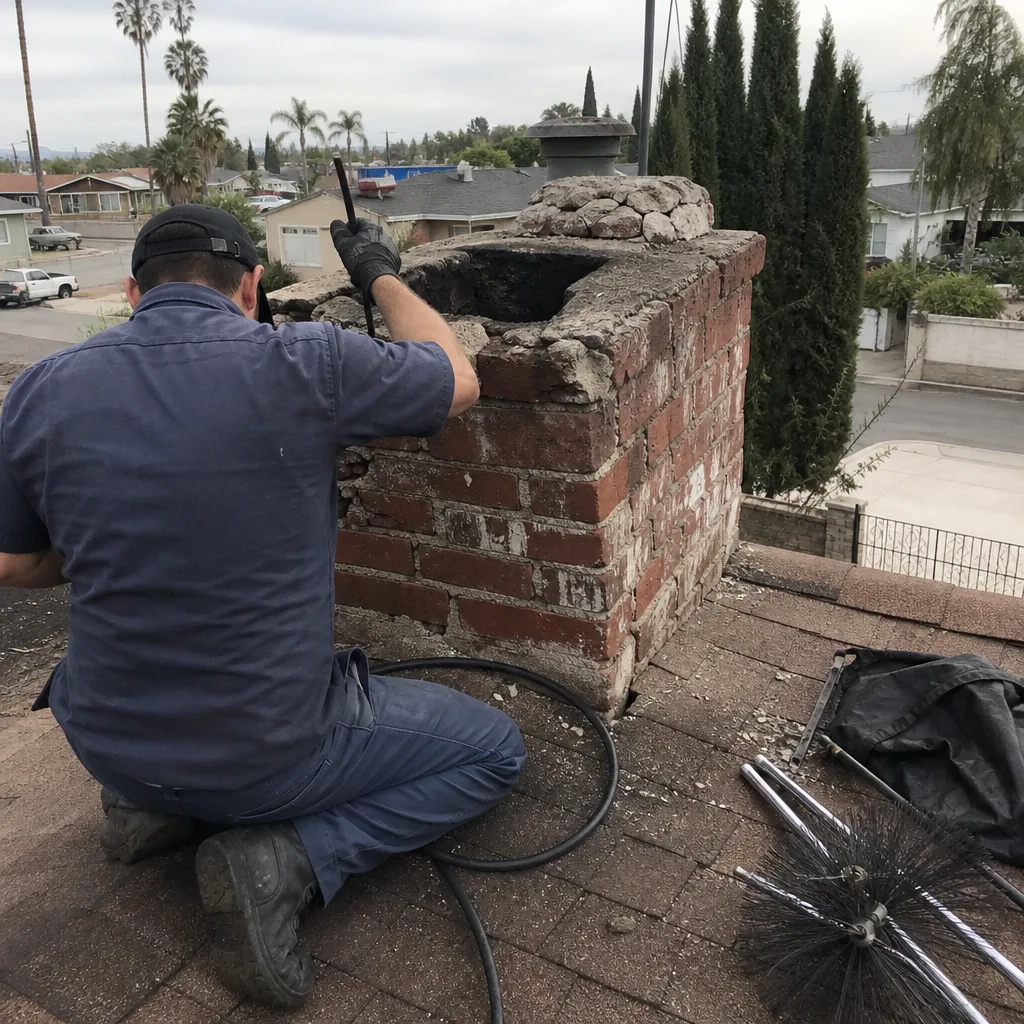 Before
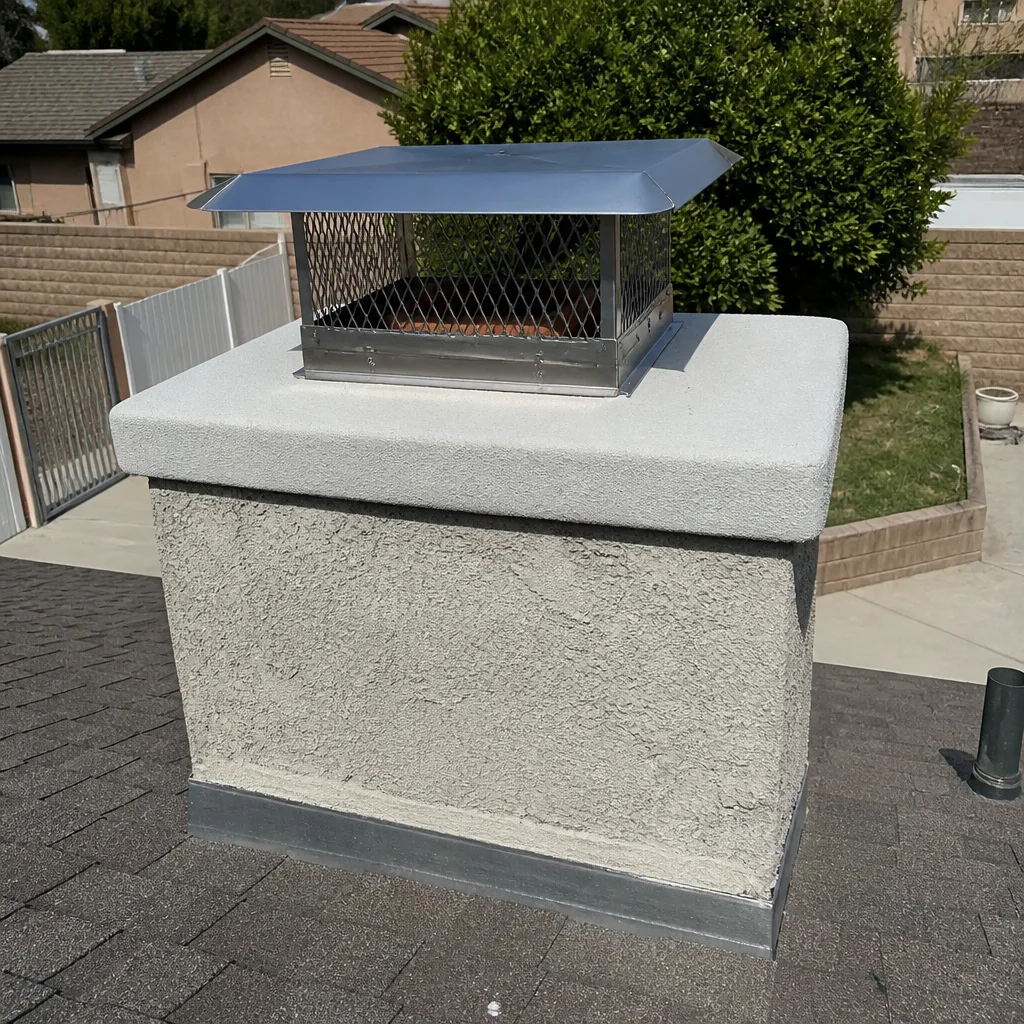 After
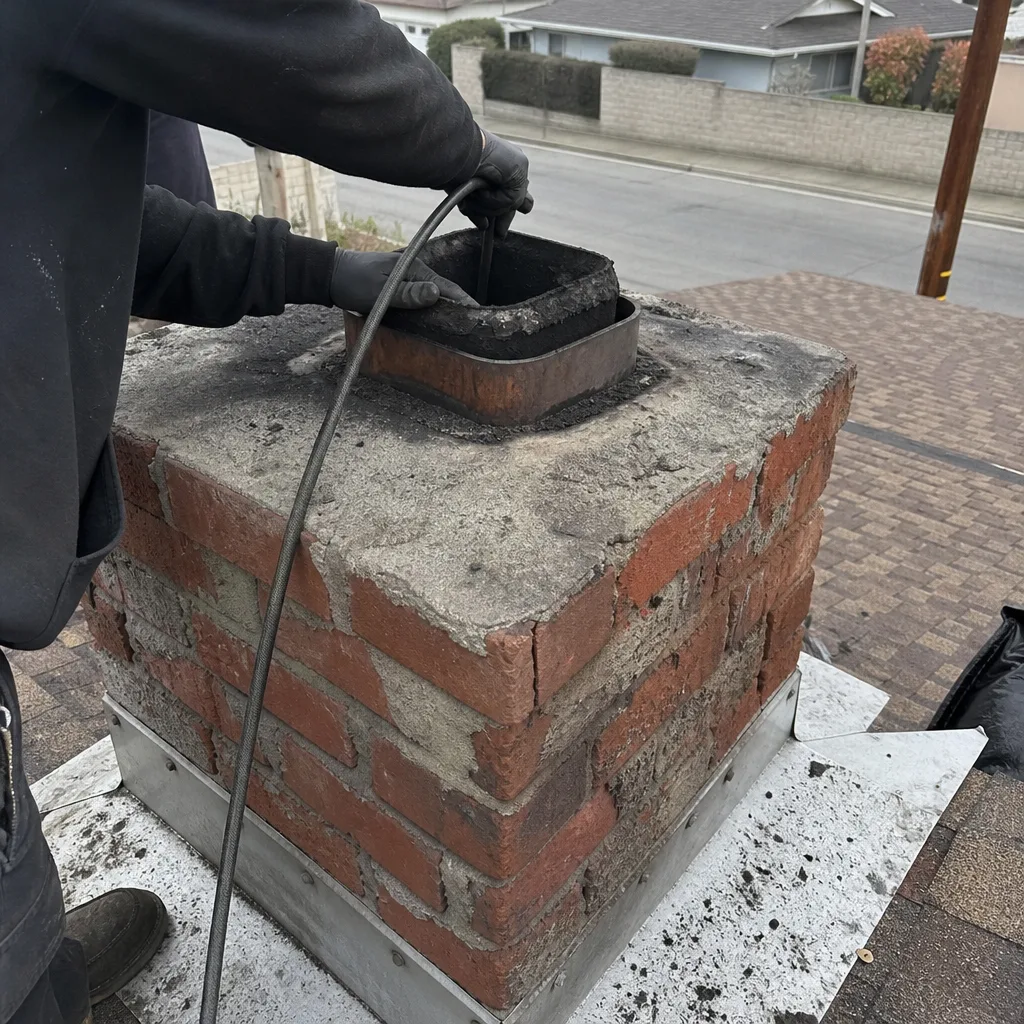 Before
 After
 Before
 After