
Last updated November 2, 2026
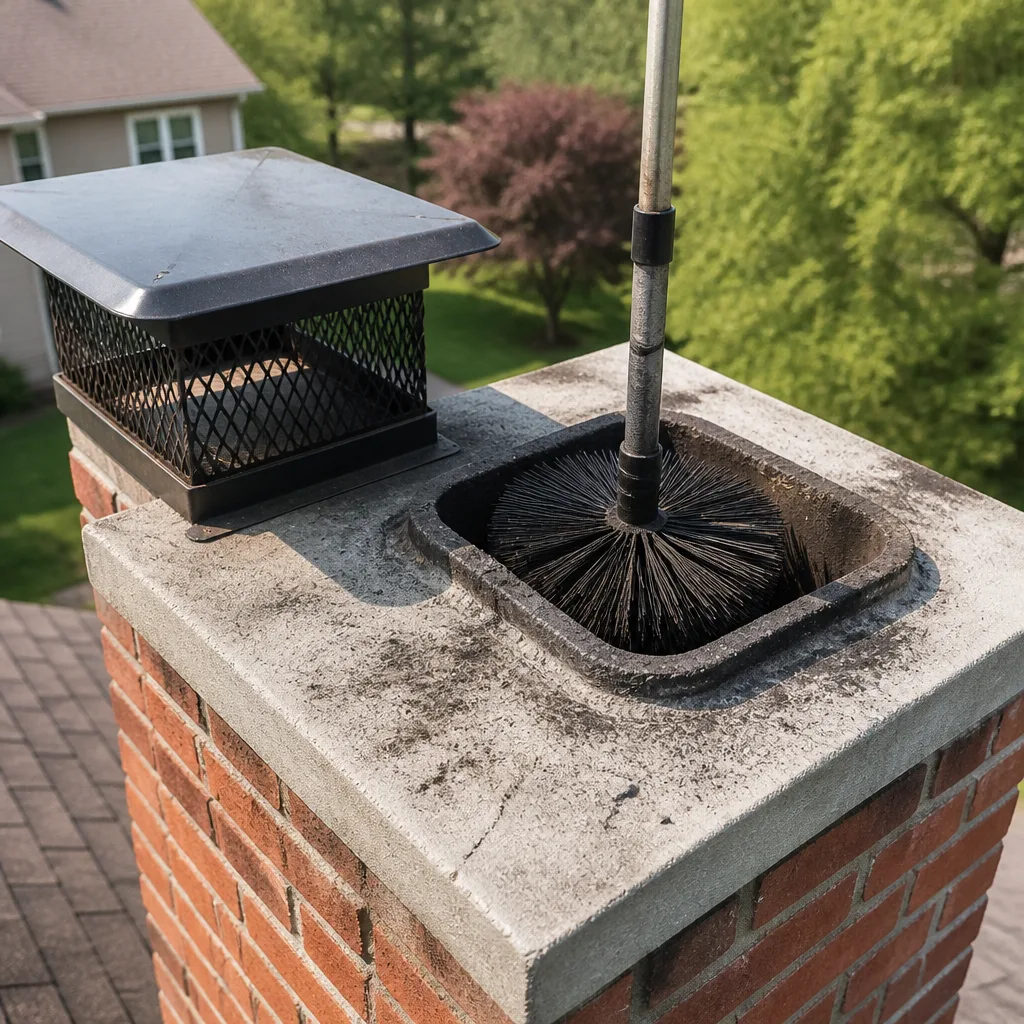 Sweep & inspection
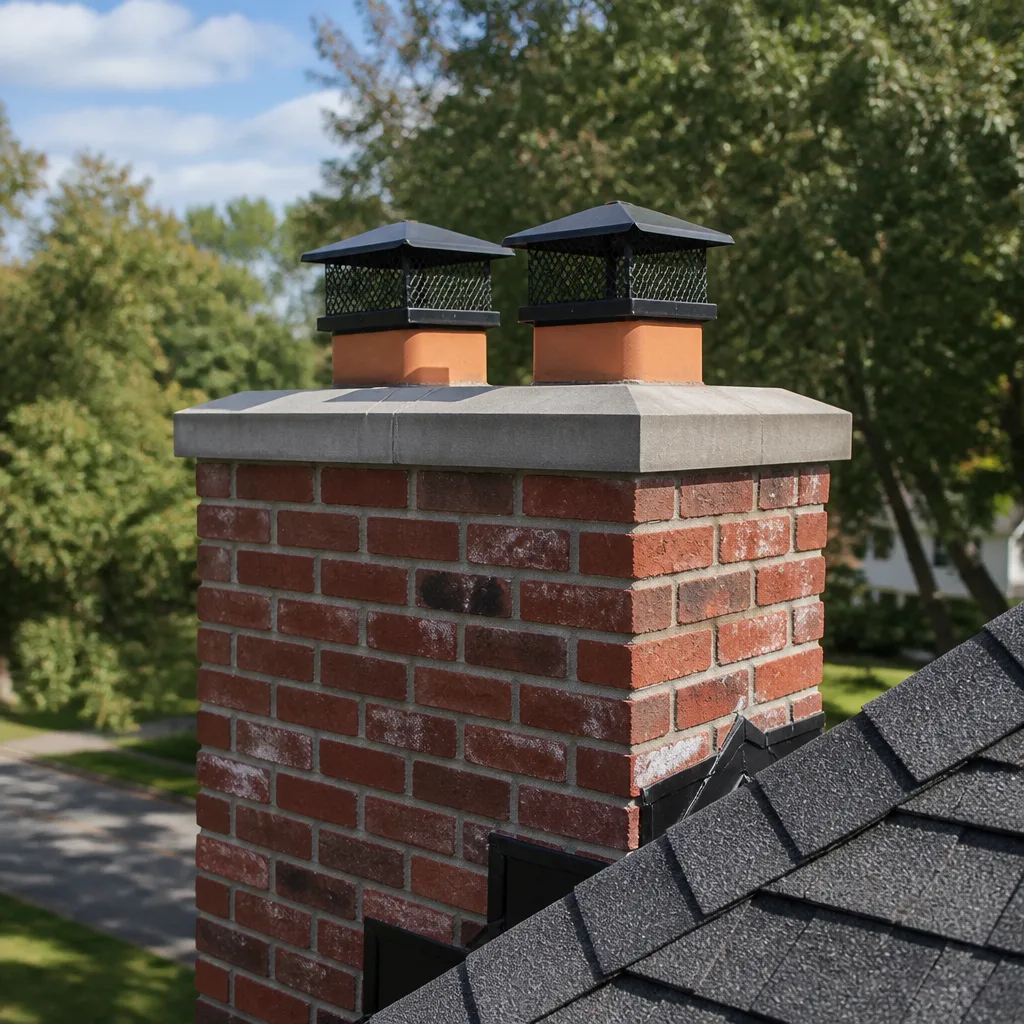 Caps & crowns
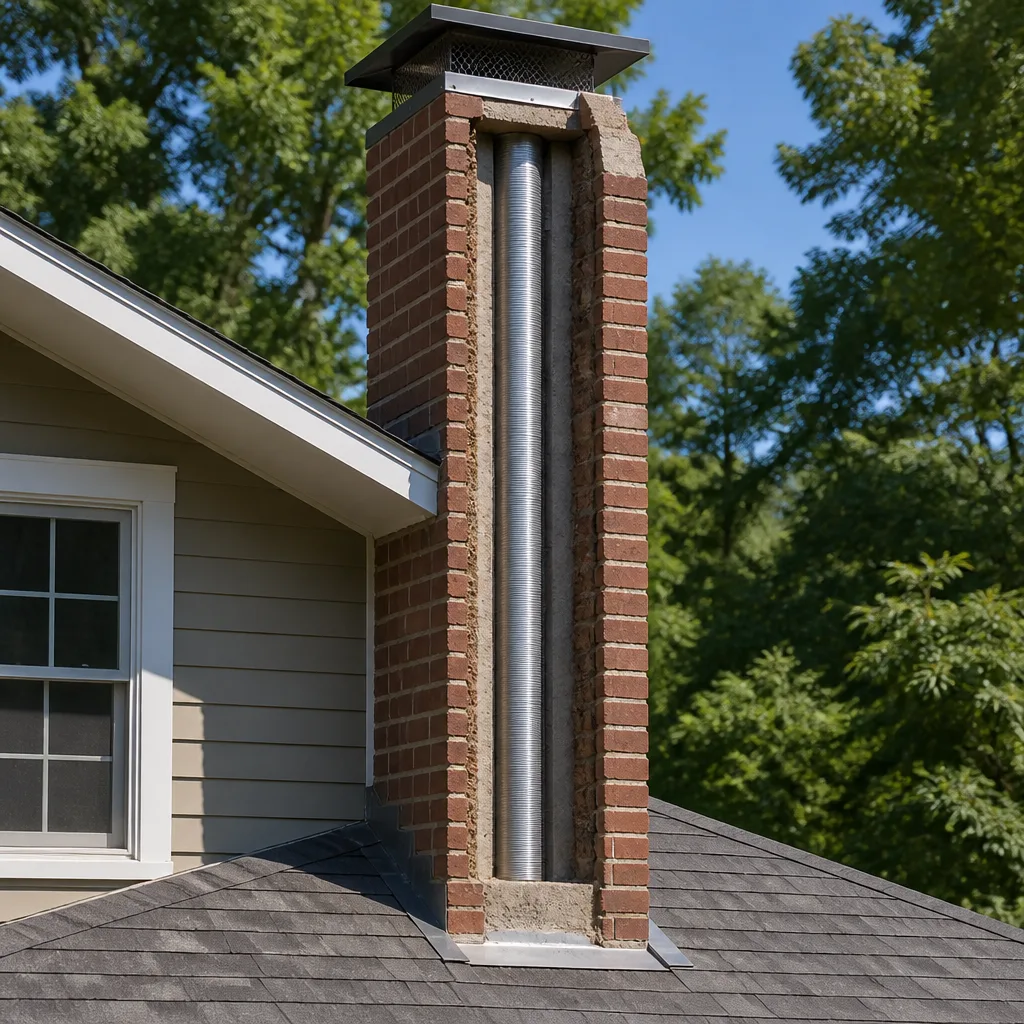 Flue relining
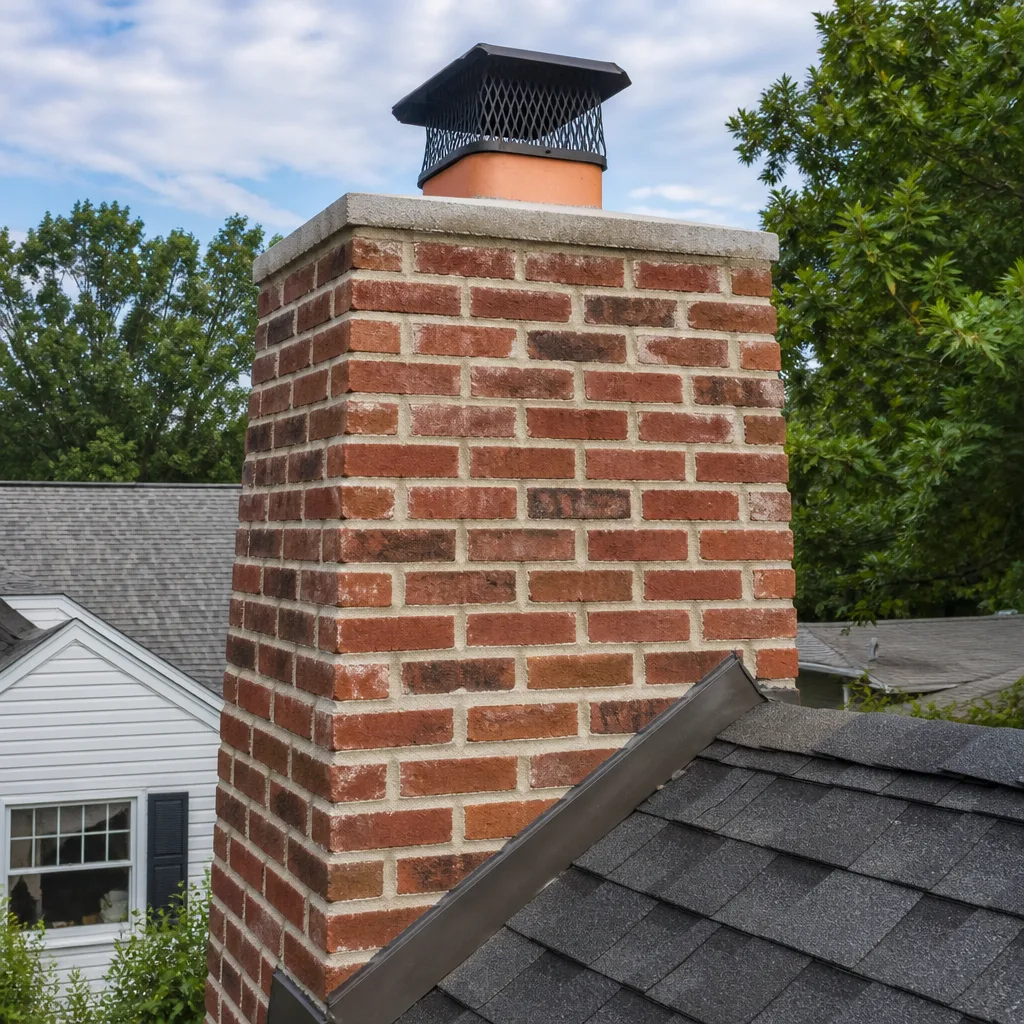 Masonry repair
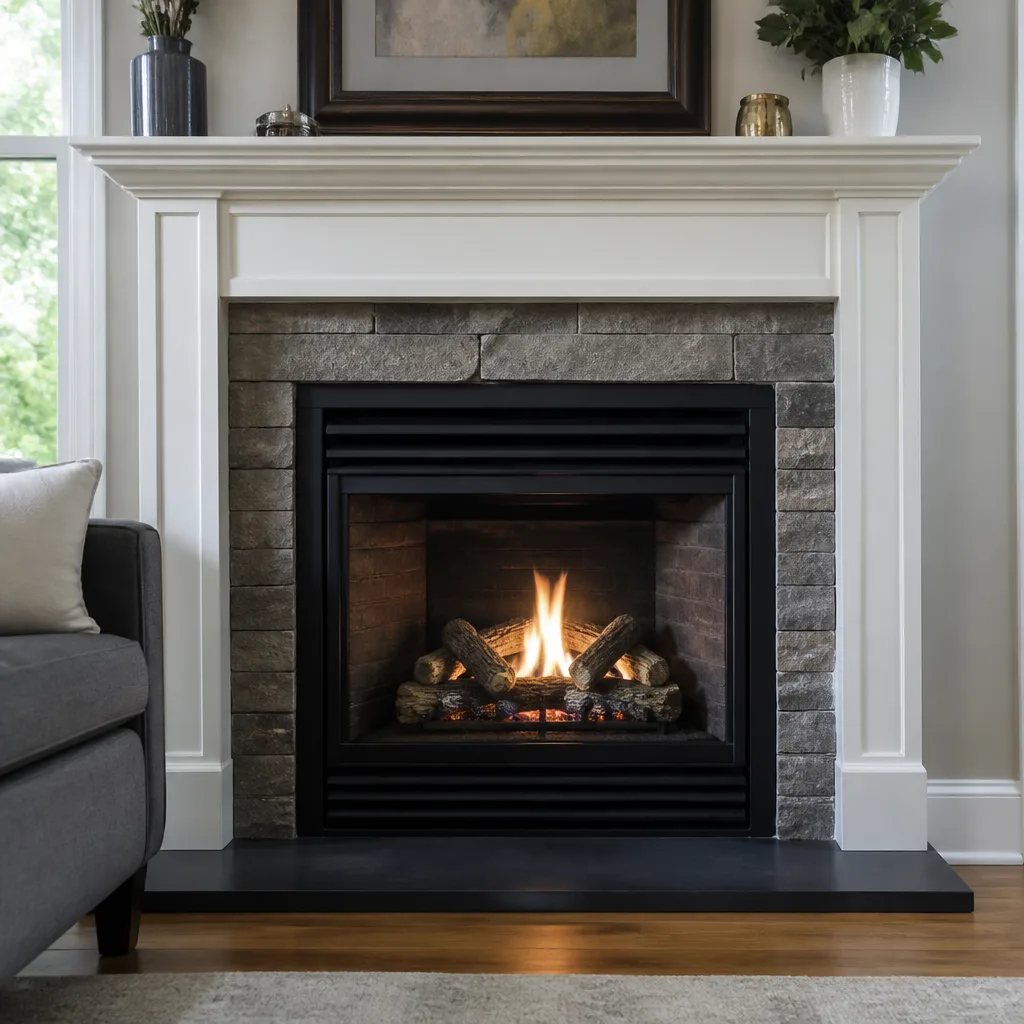 Gas fireplace service
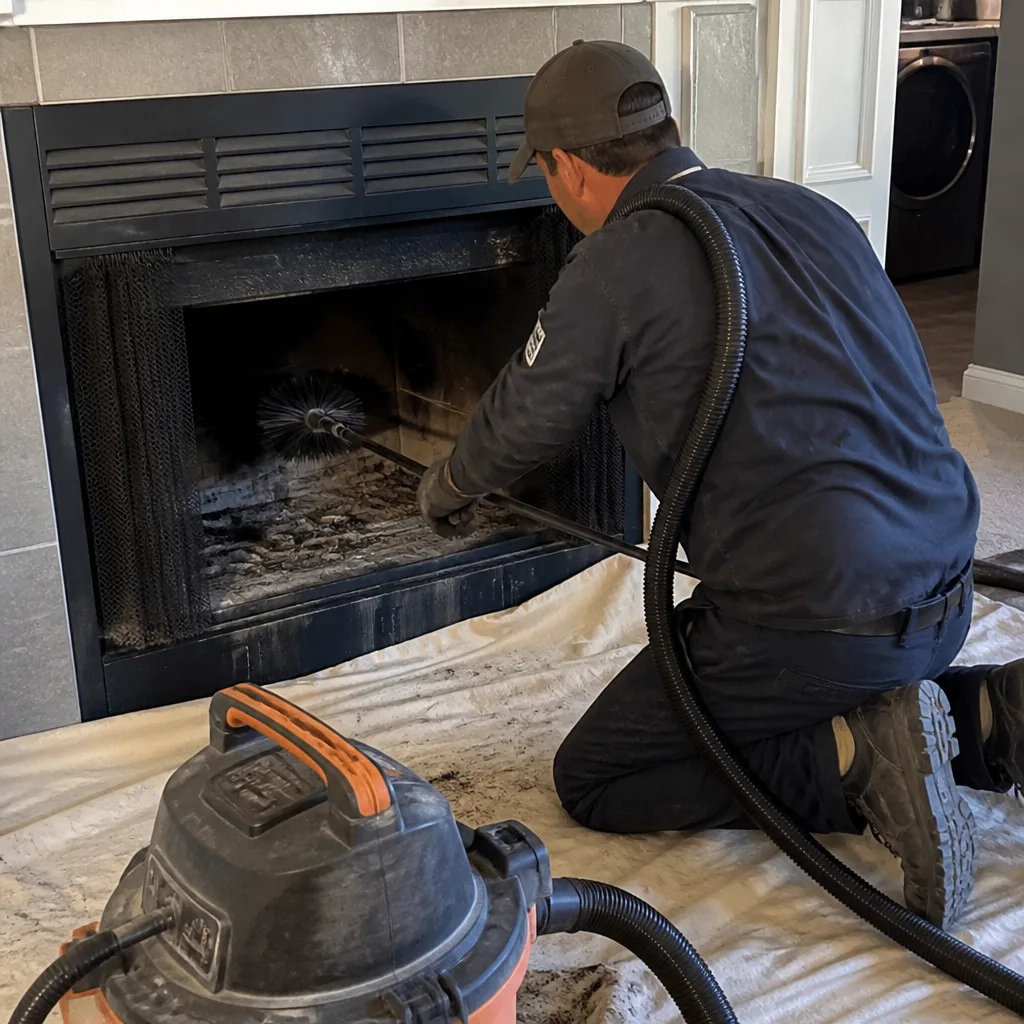
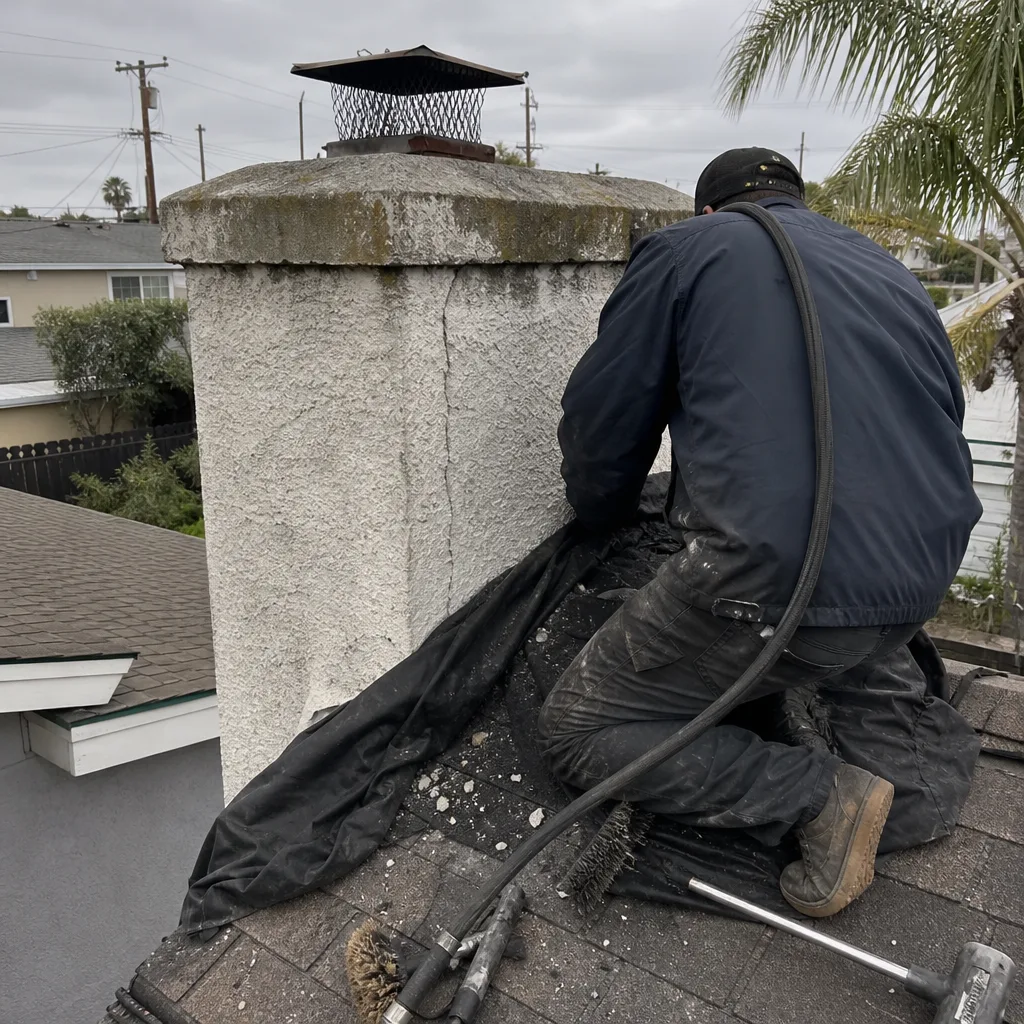
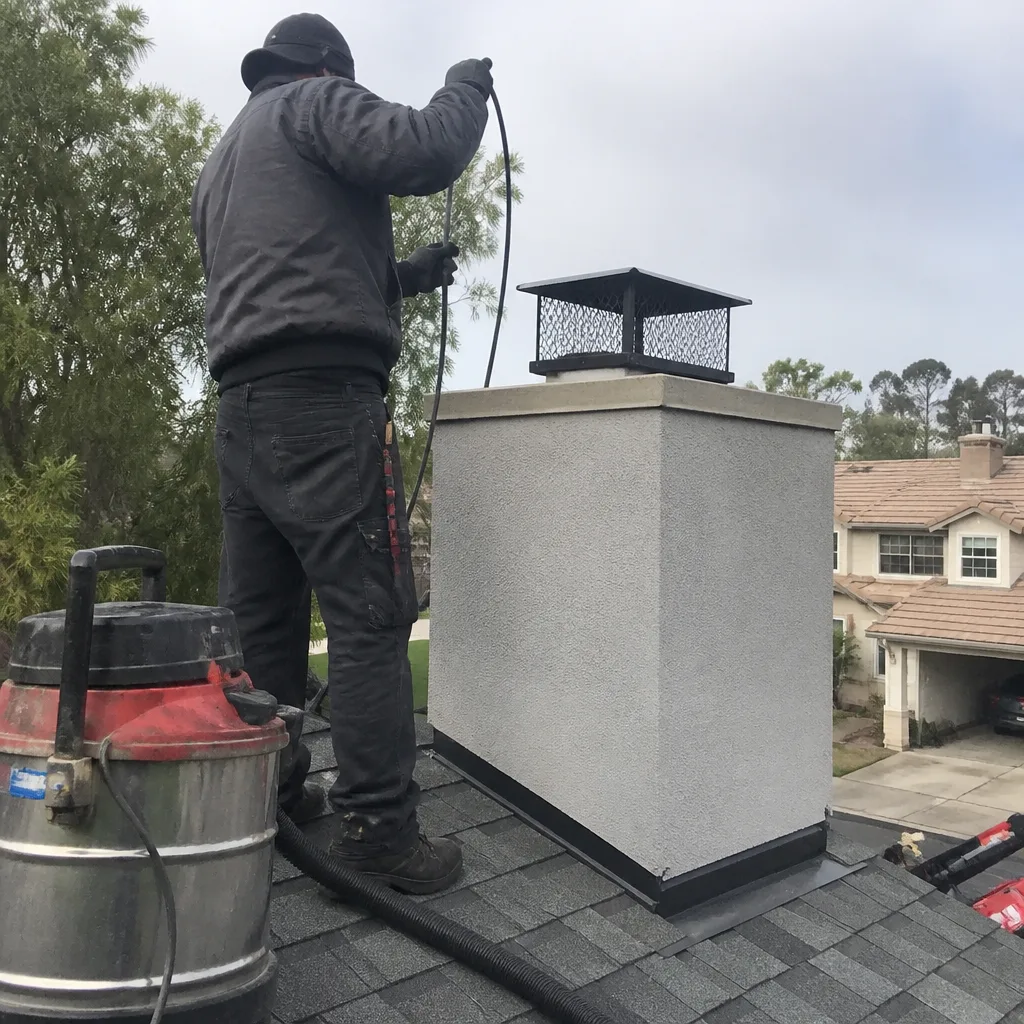
Level 1 sweep and inspection to the NFPA 211 annual standard - flue, crown, cap, and flashing checked and photographed
Chimney sweep logs do not sweep chimneys. They loosen some creosote - which then falls where a brush and vacuum still have to collect it.
Chimney Sweep Troubleshooting: Common Problems and How to Fix Them
If your chimney smokes into the room every time it rains, cleaning it won’t help. You have a draft pressure problem, not a creosote problem, and those require completely different fixes. Most chimney issues in Norwalk get misdiagnosed because homeowners (and plenty of handymen) treat every symptom as “it’s dirty” when the actual cause is often mechanical, structural, or related to how modern homes are built. This guide maps specific symptoms to their real causes, what it costs to fix each, and when a sweep actually solves the problem versus when you need something more. We’ll walk through the exact troubleshooting process we use on service calls across Norwalk every week.
Quick Answer
Chimney problems fall into four categories: blockages, draft failures, structural deterioration, and creosote buildup. Each produces distinct symptoms. Smoke that rolls into the room points to draft or pressure issues. Odors without smoke usually mean moisture or Stage 3 creosote. Visible debris signals wildlife or a damaged cap. A standard chimney sweep in Norwalk runs $180 to $340 and fixes creosote and blockage problems. Draft issues, liner damage, and crown failure require repair work that starts around $400 and can run higher depending on what inspection reveals.
Styles & brands we work with
- Sweep & inspection
- Caps & crowns
- Flue relining
- Masonry repair
- Gas fireplace service
Table of Contents
- Symptom-to-Cause Map: What Your Chimney Is Telling You
- Smoke Rollout and Backdraft: The Modern Home Problem
- Slow-Drawing Fireplaces: Damper, Flue Size, or Blockage?
- Creosote Stages: When a Sweep Fixes It and When It Won’t
- Chimney Odors That Won’t Go Away
- When Troubleshooting Stops and Structural Repair Begins
- Dryer Vent Warning Signs (A Fire Risk Most Chimney Companies Ignore)
- Common Mistakes to Avoid
- When to Call a Professional
- Frequently Asked Questions
Symptom-to-Cause Map: What Your Chimney Is Telling You
Before anyone picks up a brush, you need to know which system in your chimney is failing. Here’s how symptoms break down in Norwalk homes, from fireplaces in older La Mirada-adjacent neighborhoods to newer construction near the 5 freeway. Each symptom points to a different cause, and the fix ranges from a $189 cleaning to a full relining job.
- Smoke rollout (smoke enters the room when you light a fire): This is almost never a creosote problem. It’s draft failure. The chimney isn’t pulling combustion gases upward. Causes include negative air pressure in a tightly sealed house, a cold flue that hasn’t established draft, a damper that isn’t fully open, or a flue that’s undersized for the fireplace opening. Fixes range from priming the flue (holding a lit newspaper near the damper for 30 seconds before lighting) to installing an outside air kit.
- Slow draw (fire burns, but smoke lingers at the top of the firebox before going up): This usually means partial blockage, a damper issue, or a flue sizing problem. If the damper opens fully and there’s no visible obstruction from the top, the flue may simply be too large or too small for the firebox dimensions. Flue sizing is a fixed ratio: the flue cross-section should be roughly 1/10th the fireplace opening area. When it’s off, no amount of sweeping fixes the physics.
- Odor only (no smoke, but the room smells like a campfire or worse): Two causes dominate here. The first is moisture hitting creosote inside the flue – rain enters through a damaged cap or crown, soaks the soot, and the smell drifts into the house. The second is Stage 3 creosote, which is tar-like and off-gasses even when there’s no fire. A standard sweep handles Stage 1 and some Stage 2. Stage 3 usually requires chemical treatment or a resurfacing system like HeatShield, which our technicians in Norwalk are certified to apply.
- Visible debris in the firebox: Falling mortar chips, brick fragments, or nesting material. This points to a deteriorating flue liner, a failed crown letting water in, or an uncapped flue that birds and squirrels are using as a condo. In Norwalk, spring is nesting season for chimney swifts and starlings. If you hear scratching, you have wildlife, not chimney failure – but you still need a cap installed once they’re out.
Smoke Rollout and Backdraft: The Modern Home Problem
Here’s something most chimney guides miss: the biggest cause of smoke rollout in Norwalk today isn’t a dirty chimney. It’s the house itself. Modern weatherization – new windows, added insulation, sealed crawlspaces, upgraded HVAC with tight ducting – all create negative air pressure inside the home. The fireplace becomes the path of least resistance for outdoor air trying to get in. Light a fire, and instead of warm air rising up the flue, outside air pushes down the chimney and into the living room.
We see this constantly in Norwalk homes built or renovated after 2000, especially in neighborhoods like Norwalk Hills where homeowners have aggressively weatherized. The fireplace worked fine for decades, then windows get replaced and suddenly every fire smokes. Nobody thinks to connect those two events.
How to Confirm Negative Air Pressure
- Turn off the HVAC system completely.
- Close all exterior doors and windows.
- Turn on all exhaust fans: kitchen hood, bathroom fans, anything that vents outside.
- Light a match or candle near the fireplace opening. If the flame leans toward the room, you have backdraft.
If negative air pressure is the culprit, there are three fixes. The cheapest is behavioral: crack a window near the fireplace when you light a fire. That equalizes pressure. A better permanent solution is an outside air kit, which ducts combustion air directly into the firebox from outdoors. These typically run $200 to $400 installed. A third option is a top-sealing damper, which lets you establish draft before lighting and seals the flue shut when not in use. Top-sealing dampers also stop conditioned air from escaping up the chimney 365 days a year, which pays for itself in lower utility bills.
We install and service all three of these on chimney repair jobs throughout Norwalk, and the outside air kit is the fix we recommend most often for chronic smoke rollout in weatherized homes.
Slow-Drawing Fireplaces: Damper, Flue Size, or Blockage?
A slow-drawing fireplace is the most commonly misdiagnosed chimney problem in Norwalk. The homeowner assumes it needs a sweep. The sweep gets done. Next fire, same sluggish smoke. That’s because slow draw has three distinct causes, and only one is solved by cleaning.
1. Blockage
Partial blockages – a bird’s nest, a dead animal, a collapsed section of clay liner, or a heavy accumulation of creosote that has narrowed the flue opening – restrict airflow. The chimney can’t move enough air to establish proper draft. A standard sweep resolves creosote and nest blockages. If the blockage is a collapsed liner section, cleaning won’t fix it. That’s a relining job.
2. Damper Problems
Throat dampers rust, warp, or get stuck partially open. A damper that won’t open fully chokes the draft right at the firebox. In Norwalk’s climate, where winter humidity and coastal air accelerate rust, we replace warped throat dampers regularly. The test is simple: open the damper and look up with a flashlight. If the flap isn’t moving freely or the metal looks crusty and warped, the damper is the problem. Replacement runs $150 to $350.
3. Flue Sizing
This is the one nobody thinks about. Fireplace flues are sized to match the firebox opening. If someone rebuilt your firebox, widened the opening, or installed a fireplace insert with the wrong connector, the flue may be too small to handle the volume of smoke produced. Conversely, an oversized flue never heats up enough to create strong draft – the gases cool before they exit, stall, and leak back into the room. Fixing a flue sizing mismatch means resizing the flue, which usually involves installing a properly sized liner. This is where a company that does repair as well as sweeping matters. We don’t hand you a report and tell you to find someone else. Our Norwalk technicians handle flue resizing with properly matched liner systems.
The cost difference between these three fixes is hundreds of dollars. A sweep costs $189 to $300. A damper replacement costs $150 to $350. A flue resizing with a new liner can run $2,500 to $6,000 depending on flue height and liner material. Getting the diagnosis right before you spend money is the entire point of proper troubleshooting.
Creosote Stages: When a Sweep Fixes It and When It Won’t
Creosote is the byproduct of wood combustion – unburned wood particles, tar, and moisture that condense inside the flue as smoke cools. It builds up in three distinct stages, and each requires a different response.
Stage 1: Flaky Soot
This is the brown or black powdery flake you see when you shine a light up the flue. It brushes off easily with standard chimney sweeping tools. A routine sweep resolves it. Most Norwalk homes with occasional fireplace use sit in Stage 1 or early Stage 2. Cost to fix: $189 to $280.
Stage 2: Crusty Bubbled Deposits
Stage 2 creosote is harder, shinier, and forms in layers with a bubbled texture. It takes more aggressive brushing – rotary loops or chains – and adds time to the sweep. Some Stage 2 deposits leave a residue that needs a second pass. Cost to fix: $229 to $340, and the sweep takes longer.
Stage 3: Tar-Glazed Creosote
Stage 3 is thick, shiny, tar-like glazing that’s fused to the flue walls. It’s highly flammable and can’t be removed with standard brushes. Chipping it risks damaging the flue liner. Stage 3 usually requires chemical treatment – powders or sprays applied over multiple fires to break down the glaze – or a full resurfacing. This is where a product like HeatShield matters. HeatShield is a specialized compound that’s applied to resurface and restore deteriorated flue walls, not just coat over creosote. For severely glazed flues where the liner itself has degraded, HeatShield application restores the flue to a functioning state without a full demolition. Our Norwalk team is certified in this system, and it’s exactly the kind of fix a sweep-only operation can’t offer.
Here’s the honest math: if your chimney has Stage 3 creosote, a standard sweep is wasted money. The problem returns within a season because the flue surface is compromised. Chemical treatment followed by proper maintenance is the minimum. Resurfacing with HeatShield is the long-term fix. Call us for a chimney sweep in Norwalk that includes a camera inspection so you know exactly what stage you’re dealing with.
Chimney Odors That Won’t Go Away
Chimney odors are the most persistent complaint we hear from Norwalk homeowners in summer – the season when the fireplace sits unused and the smell drifts through the house. Odors break down into three causes, and the fix for each is different.
Moisture + Creosote = Campfire Smell
Rain gets into the flue through a missing cap, a cracked crown, or damaged flashing. It soaks the creosote residue, and that damp soot smell pushes into the home. The fix is two-part: stop the water entry (new cap, crown repair, flashing reseal) and remove the creosote (sweep). Until both are done, the smell returns after every rain.
Birds and Animals
Dead animals in the flue produce a smell you won’t mistake for anything else. Nesting material – typically from chimney swifts in spring – adds a musty, organic odor. The fix is removing the obstruction, sweeping, and installing a properly sized cap with side mesh to keep wildlife out. In Norwalk, uncapped chimneys are an open invitation to local bird populations.
Negative Pressure Pulling Odor In
Sometimes the chimney isn’t pushing smells into the room – the house is pulling them in. Same negative pressure issue discussed above, but it manifests as odor rather than smoke because there’s no fire. The fix is an outside air kit, a top-sealing damper, or both. A top-sealing damper, in particular, cuts odor problems almost entirely because it seals the flue at the top when the fireplace isn’t in use.
When Troubleshooting Stops and Structural Repair Begins
Some chimney problems aren’t fixable with a brush or a damper replacement. Structural failures require repair work, and recognizing them early prevents expensive secondary damage – like water rot in the framing around the chimney chase or a full chimney rebuild.
Deteriorated Flue Liner
Clay tile liners crack over time, especially in Norwalk where decades of temperature swings create thermal expansion stress. Cracked liners allow heat and combustion gases to reach the brickwork, which becomes a fire hazard. The fix is either a new stainless liner or resurfacing depending on severity. We work with DuraFlex flexible liner systems and HeatShield resurfacing compound for these jobs, because these are professional-grade systems designed for flue restoration, not hardware-store patches.
Failed Crown
The crown is the concrete slab at the top of the chimney. When it cracks or breaks apart, water gets into the masonry and the freeze-thaw cycle does the rest. Norwalk’s climate is mild compared to northern states, but even here, a failed crown deteriorates quickly once moisture enters. Crown repair or rebuild runs $400 to $1,200 depending on size and damage.
Firebox Deterioration
The firebox takes direct heat and flame. Crumbling mortar joints, cracked firebrick, and gaps behind the firebox panels are structural problems, not cosmetic. Repairing the firebox before it fails completely is far cheaper than rebuilding. We use Gelco and Copperfield refractory products for firebox repairs because they’re formulated for high-temperature applications.
When any of these conditions exist, the troubleshooting conversation shifts. The question is no longer “why is my chimney misbehaving” but “what’s the least invasive way to make it safe again.” That’s where a company with repair capability matters. We’ve fixed liners, crowns, and fireboxes on chimney repair calls throughout Norwalk, and the work starts with a camera inspection so you see exactly what we’re seeing.
Dryer Vent Warning Signs (A Fire Risk Most Chimney Companies Ignore)
Your chimney isn’t the only exhaust system in your home that accumulates dangerous buildup. Dryer vents clog with lint – and lint is far more flammable than creosote. The U.S. Fire Administration reports that clothes dryers cause roughly 2,900 residential fires each year, and lint buildup is the leading cause. Most chimney companies don’t clean dryer vents. We do.
Signs your dryer vent needs attention in Norwalk:
- Clothes take more than one cycle to dry
- The dryer feels hot to the touch while running
- The laundry room gets unusually warm and humid
- You notice a burning smell when the dryer runs
- The exterior vent flap doesn’t open when the dryer is on
- It’s been more than a year since the vent was cleaned
Long vent runs – common in Norwalk homes where the laundry room was relocated during a remodel – are especially prone to clogging because lint loses velocity through the duct and deposits along the walls. A dryer vent cleaning in Norwalk typically takes 45 to 90 minutes and should be done annually for households that run the dryer three or more times per week. When we sweep a chimney, we ask about the dryer vent. One call covers both.
Common Mistakes to Avoid
- Repeatedly sweeping a chimney that has a draft problem. If you’ve had two cleanings in two years and the smoke still rolls into the room, stop paying for more brushes. You have an air pressure or sizing problem. Fixing the cause costs the same as one more unnecessary sweep.
- Lighting a fire in a chimney you haven’t used in years without inspecting it first. Flues degrade when unused. Moisture accumulates. Clay liners crack. Birds build nests. The first fire after years of neglect is the one most likely to cause a chimney fire in Norwalk homes.
- Assuming a chimney cap is optional. It’s not. A cap keeps out rainwater, animals, and debris. Without one, every weather event sends moisture into your flue, accelerating creosote odor and liner deterioration.
- Burning unseasoned wood and blaming the chimney for the results. Wet wood produces incomplete combustion, which creates Stage 2 and Stage 3 creosote fast. Seasoned hardwood – split and dried for 6 to 12 months – burns cleaner and extends the time between sweeps.
- Ignoring the dryer vent because “it’s not a chimney.” Lint fires are more common than chimney fires in modern homes. If you’re having your chimney swept, have the dryer vent done at the same time.
- Getting a written inspection report and doing nothing with it. A report that identifies a cracked liner is not the same as fixing a cracked liner. Some homeowners file the report and forget it – until the problem becomes a repair emergency. We recommend acting on structural findings within the same season.
- Waiting until winter to book a chimney service. November and December are the busiest months for chimney work in Norwalk. If your chimney needs a sweep or repair, booking in summer or early fall means shorter wait times and more scheduling flexibility.
When to Call a Professional
You should call a professional whenever you see or smell something that doesn’t belong in your chimney system. Smoke rollout that persists after a cleaning, odors that return seasonally, visible cracking in the firebox, flue tiles at the bottom of the firebox, water stains on ceiling or walls near the chimney – these all point to conditions that need a trained eye and possibly repair equipment. If you hear animals in the flue, don’t try to smoke them out or remove them yourself. Call someone who can remove the obstruction safely and cap the flue properly. Chimney Repair Norwalk offers free estimates throughout the Norwalk area. Call (855) 942-0212 and we’ll schedule a camera inspection so you know exactly what’s going on inside your chimney before any work starts.
Frequently Asked Questions
A standard chimney sweep in Norwalk runs $189 to $340 depending on chimney height, creosote stage, and whether the flue has been recently maintained. Stage 1 creosote is the low end. Stage 2 or 3 may approach $340 because of the additional labor and tools required. Inspection is usually included. If you’d like an exact quote, call (855) 942-0212 – estimates are free.
The National Fire Protection Association recommends a chimney inspection at least once a year, with sweeping performed when creosote reaches 1/8 inch of buildup. For Norwalk homeowners who burn wood three or more times per week during the winter, that usually means an annual sweep. Occasional fire users may go 18 to 24 months between cleanings. Gas fireplaces don’t produce creosote but still need annual inspection for venting integrity and carbon monoxide safety.
Not necessarily. A camera inspection tells you the real condition of the liner. Cracks, gaps, and collapse mean the liner isn’t doing its job, but the fix isn’t always full replacement. Some liners can be resurfaced with HeatShield, and others are best addressed with a DuraFlex stainless liner retrofitted inside the existing flue. A sweep-only company will often recommend replacement because they can’t do either of those repairs. We inspect first, then recommend the least invasive option that makes the system safe.
Summer chimney odors in Norwalk are almost always moisture hitting creosote residue inside the flue. Humidity and stray rain enter through a missing cap or cracked crown, soak the soot, and the smell pushes into the house. The fix is stopping the water entry and cleaning the flue. A top-sealing damper also helps by sealing the flue at the top when the fireplace is unused.
Skipping a sweep means creosote accumulates without interruption. Stage 1 becomes Stage 2, Stage 2 becomes Stage 3. The risk of chimney fire increases with each stage. A chimney fire can crack the liner, damage the masonry, and in the worst case spread to the house. The cost of annual sweeping is far less than the cost of a relining or rebuild after a chimney fire. Even if you never light a fire, the inspection component catches structural issues before they become serious.
Gas fireplaces don’t produce creosote, so chimney fire risk from creosote is eliminated. But gas fireplaces introduce carbon monoxide risk if the venting system is compromised. Norwalk homes with gas inserts should have the venting inspected annually, especially older units where gaskets and seals degrade. Carbon monoxide is odorless, so the first sign of a venting problem may not be noticeable until it’s dangerous.
The Bottom Line
Chimney problems are diagnosable, and most fall into clear categories: draft failure, blockage, creosote buildup, moisture intrusion, or structural deterioration. Each has a specific fix, and knowing which one you’re dealing with before anyone picks up a brush saves you from repeated cleanings that don’t solve anything. In Norwalk, modern weatherization makes negative air pressure one of the most common causes of smoke and odor complaints – something a 1980s chimney guide would never mention. If your chimney is smoking, smelling, or showing signs of deterioration, start with a camera inspection. See the actual condition of your flue, get a straight answer about what’s wrong, and fix it once. Call Chimney Repair Norwalk at (855) 942-0212 for a free estimate.
Written by the team at Chimney Repair Norwalk, serving Norwalk since 2017.
See the difference
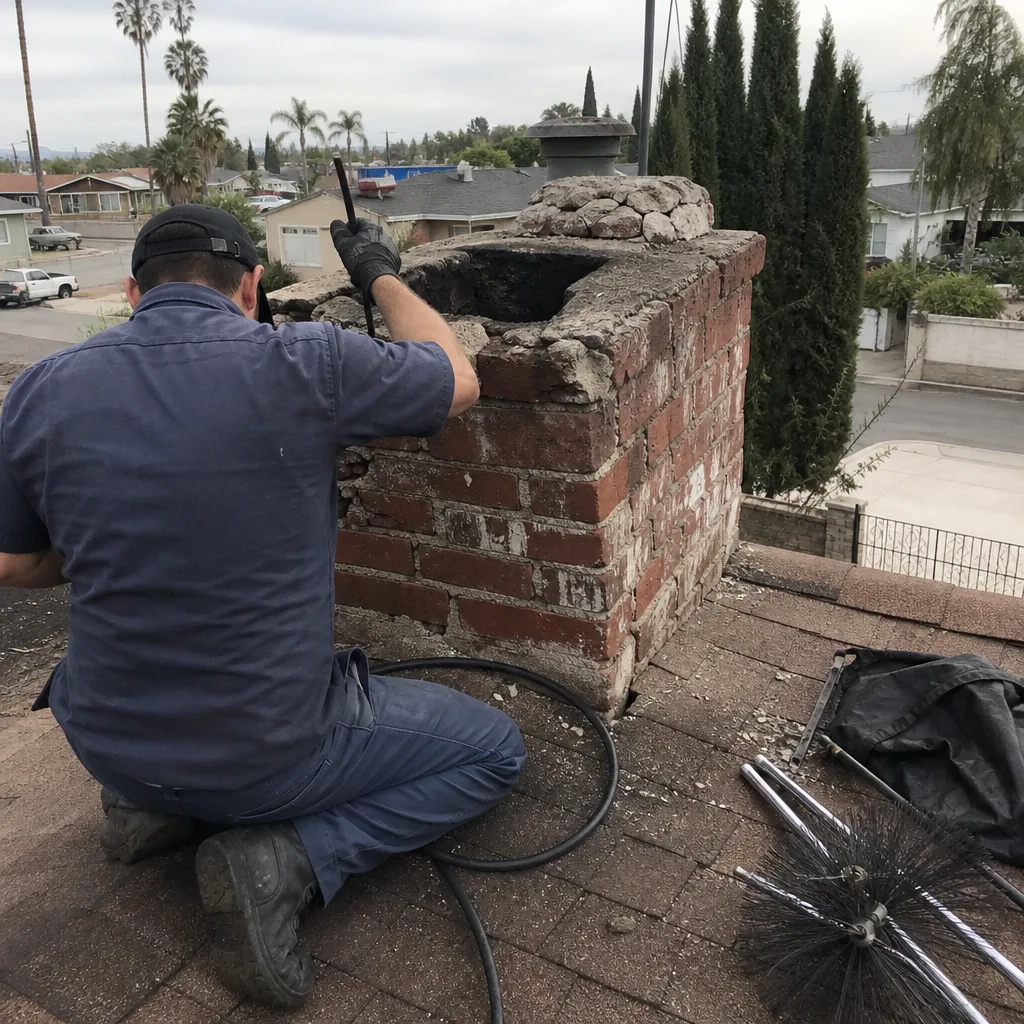 Before
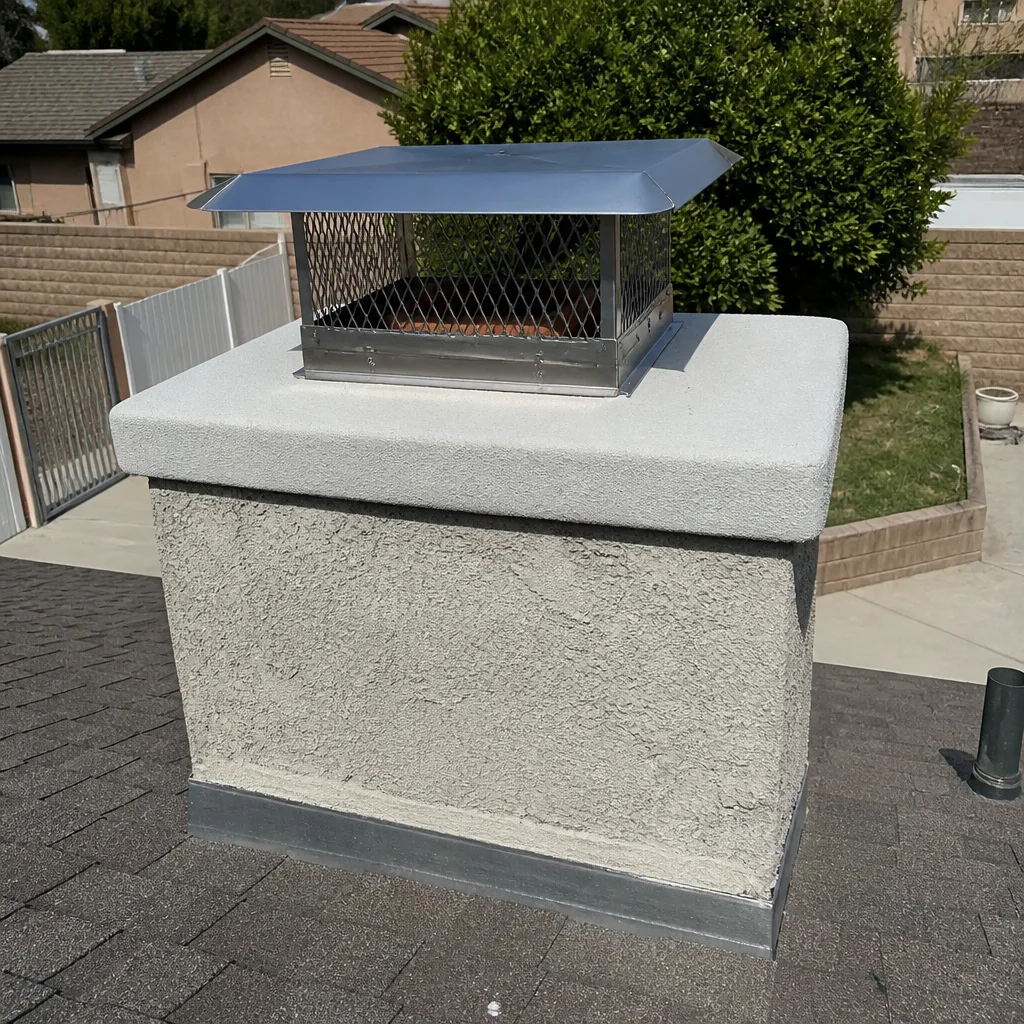 After
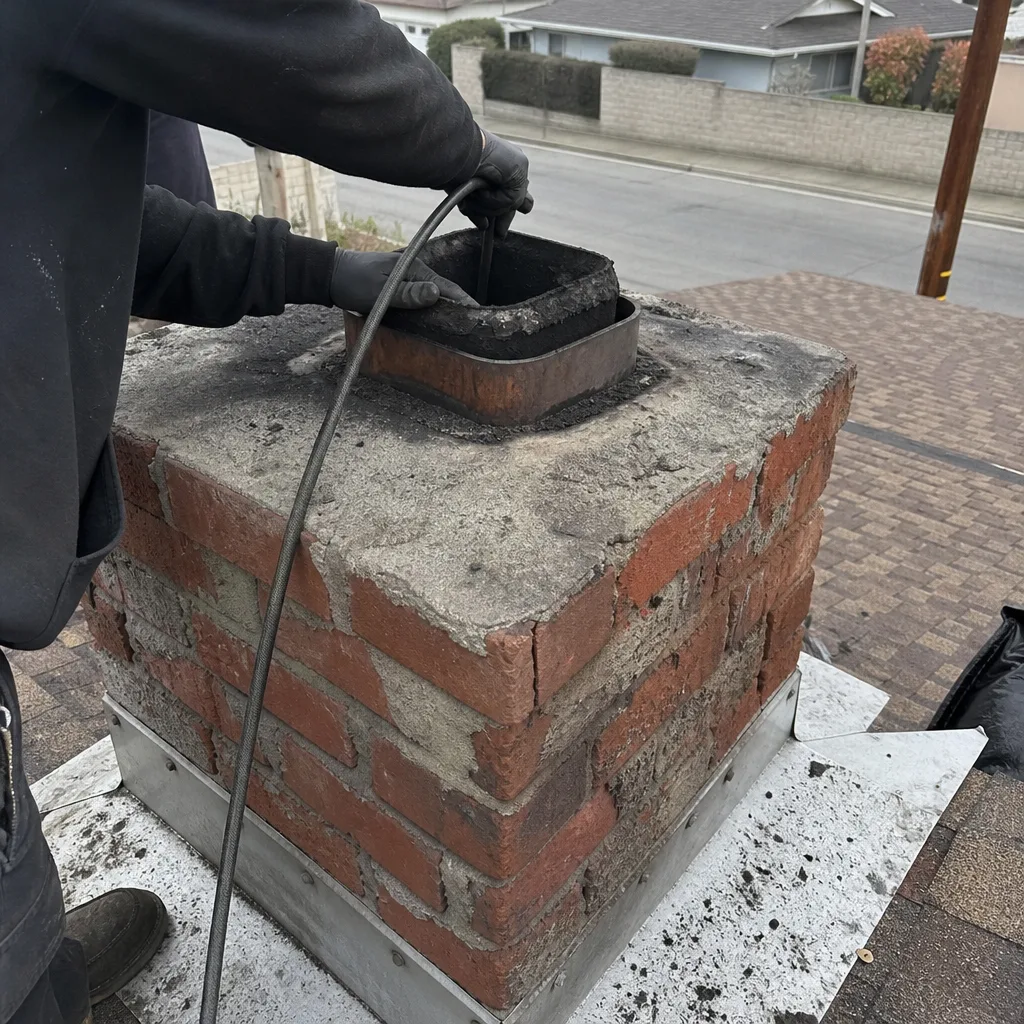 Before
 After
 Before
 After