
Last updated November 3, 2026
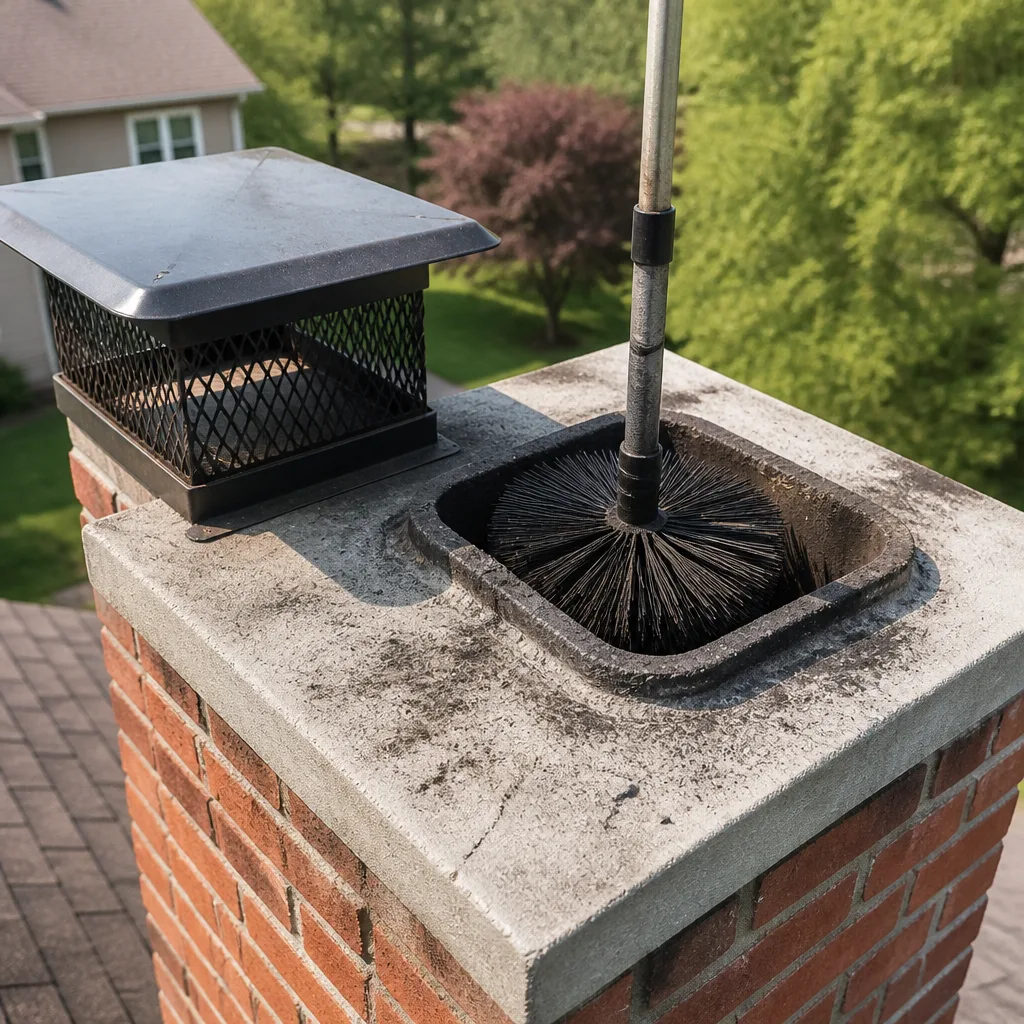 Sweep & inspection
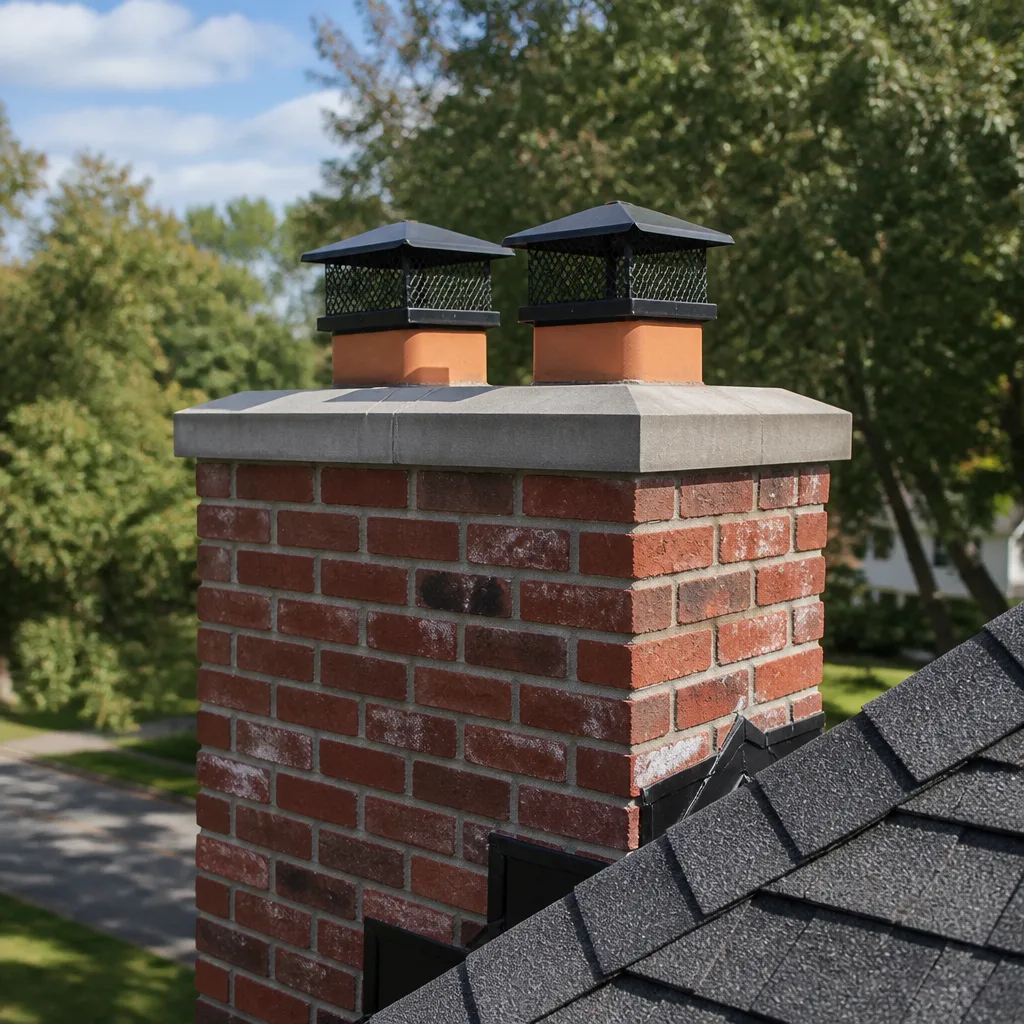 Caps & crowns
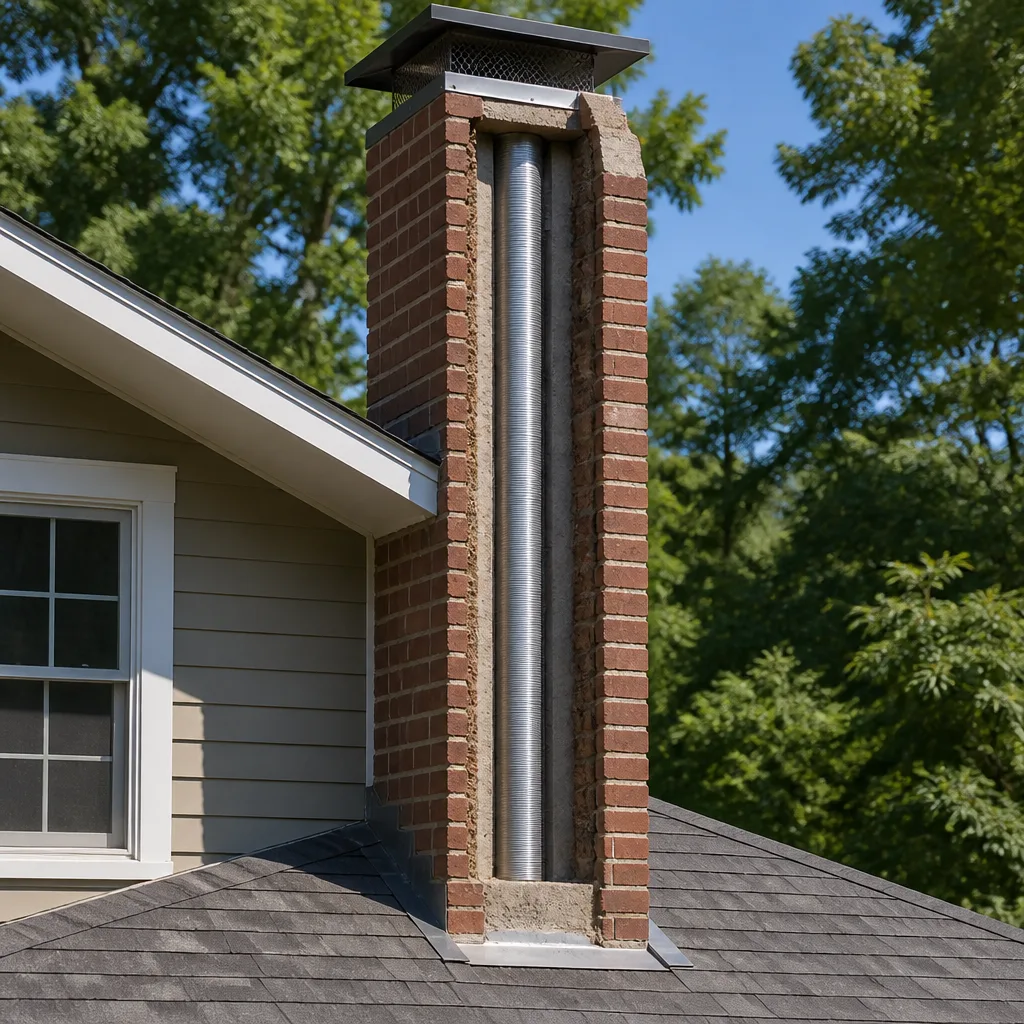 Flue relining
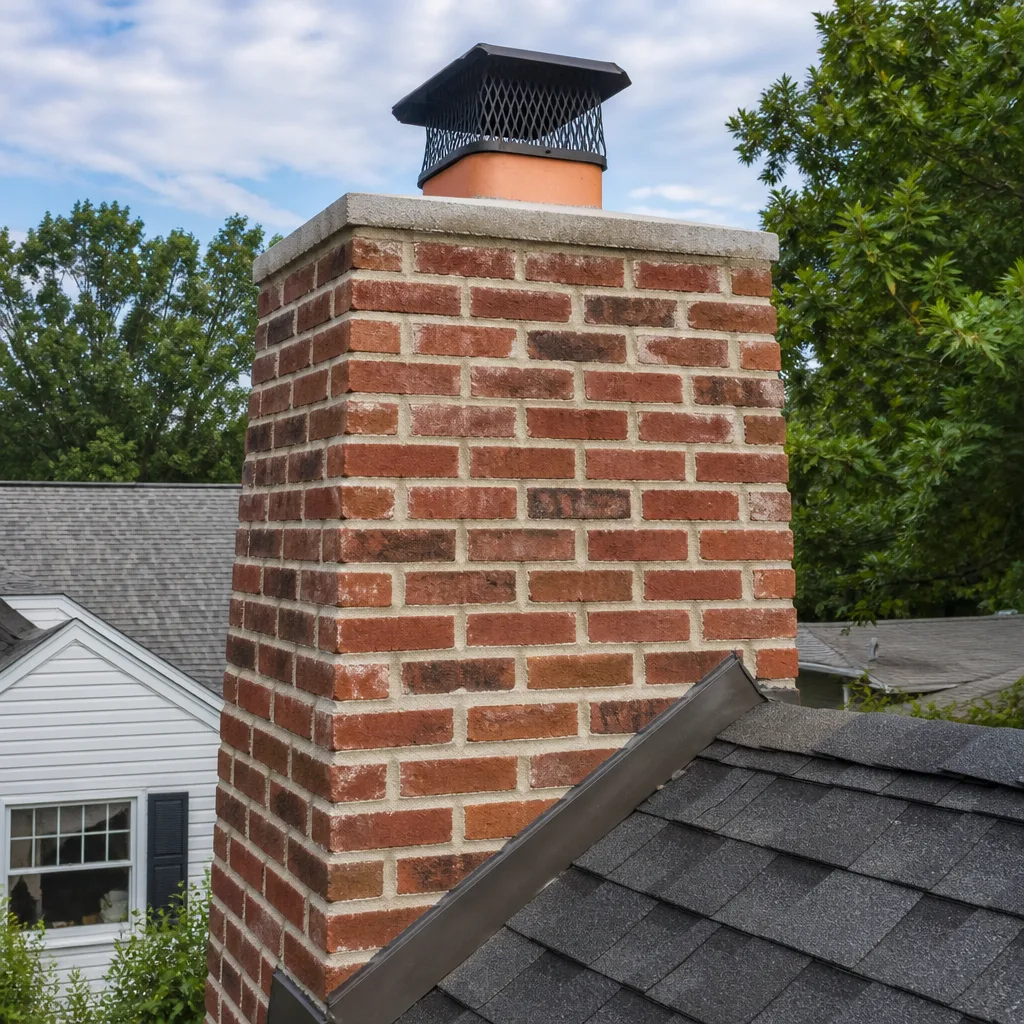 Masonry repair
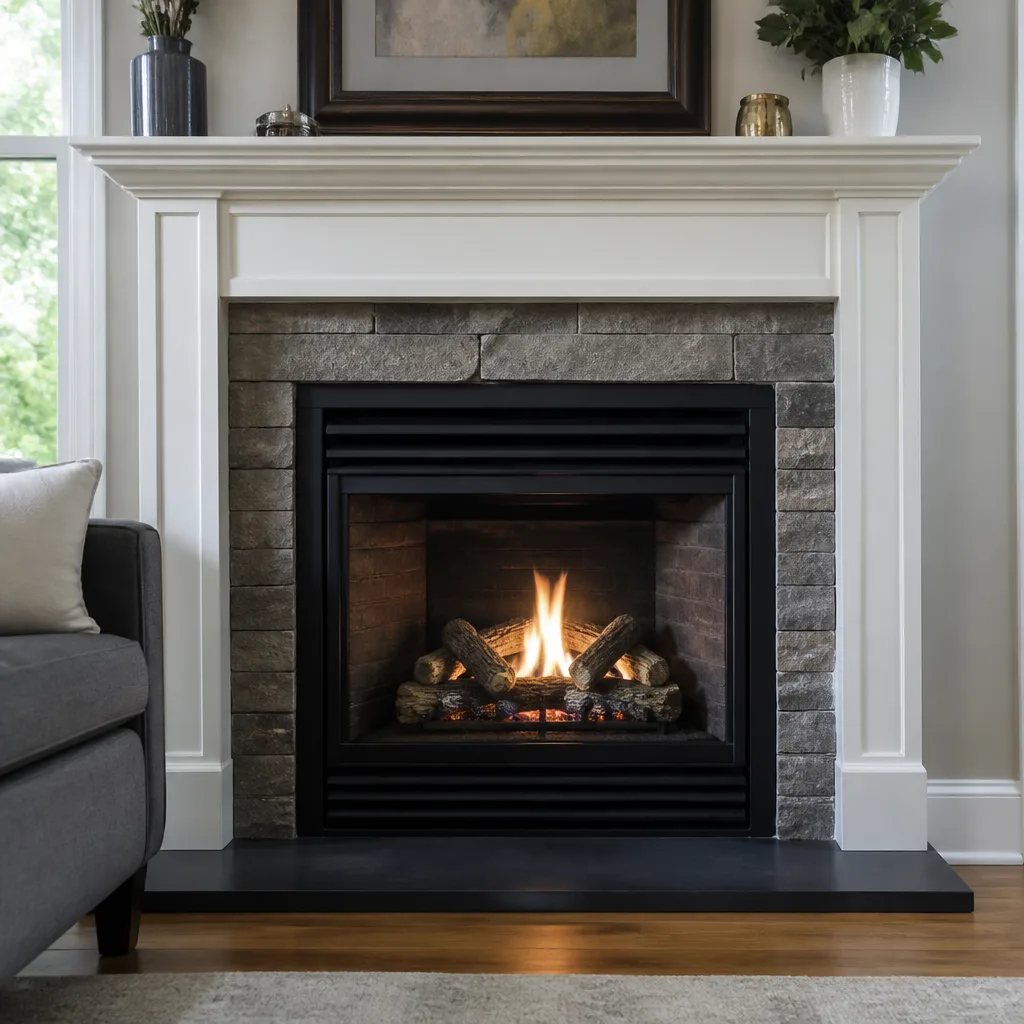 Gas fireplace service
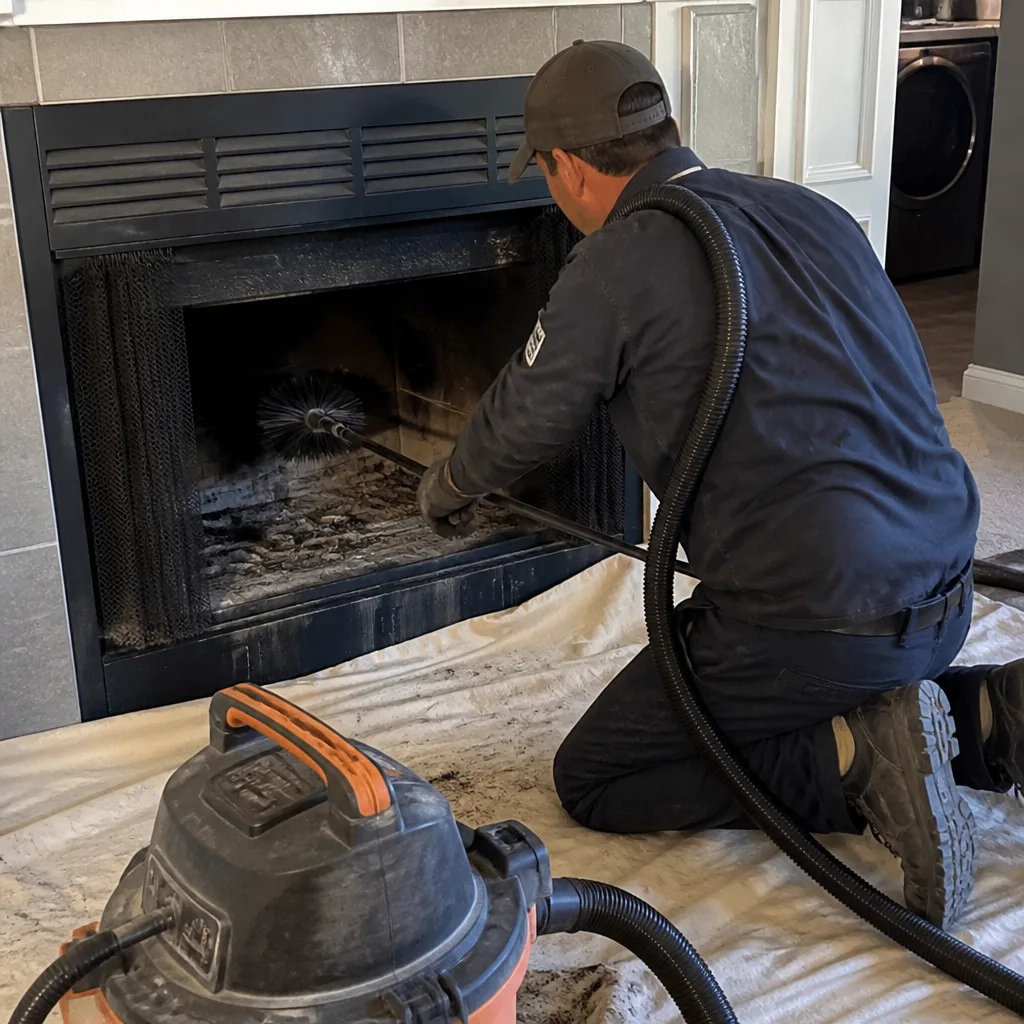
Level 1 sweep and inspection to the NFPA 211 annual standard - flue, crown, cap, and flashing checked and photographed
Chimney sweep logs do not sweep chimneys. They loosen some creosote - which then falls where a brush and vacuum still have to collect it.
Choosing the Right Chimney Cleaning Brand: A Buyer’s Guide for Norwalk
There’s a meaningful difference between a galvanized chimney cap and a stainless steel one. In Norwalk’s coastal-adjacent air, galvanized corrodes within three to five years while stainless runs fifteen or more, and a sweep who doesn’t mention that distinction is leaving you out of an important decision. This guide will teach you how to evaluate chimney products the way an experienced technician does, so you can ask better questions, recognize quality work, and avoid paying for materials that won’t hold up in Southern California conditions.
Quick Answer
The right chimney cleaning brand for Norwalk homeowners is one that specifies professional-grade products by name: Copperfield or Rockford caps and liners, Saver Systems HeatShield for flue repair, Rutland for firebox maintenance, and Anti-Creo-Soot for creosote treatment. For a deeper look at what professional cleaning involves, see The Complete Chimney Sweep Guide for Norwalk Homeowners. A sweep who names specific materials and explains why they fit your chimney is working with professional supply chains. A sweep who writes “new cap” without a material grade is asking you to trust the cheapest thing on the truck.
Styles & brands we work with
- Sweep & inspection
- Caps & crowns
- Flue relining
- Masonry repair
- Gas fireplace service
Table of Contents
- The Professional Brands Experienced Sweeps Actually Use
- Chimney Cap Materials: Galvanized vs. Stainless vs. Copper in Norwalk
- What “Professional-Grade” Actually Means vs. Hardware Store Products
- How to Read a Proposal That Names Products vs. One That Doesn’t
- Questions to Ask a Sweep About Recommended Products
- Creosote Treatments: What Works and What’s Just Marketing
- Flue Repair Products: HeatShield and When It’s the Right Call
- Common Mistakes to Avoid
- When to Call a Professional
- Frequently Asked Questions
The Professional Brands Experienced Sweeps Actually Use
Walk through any chimney supply warehouse and you’ll see the split immediately. One aisle holds the brands that trade professionals order from supplier catalogs: Copperfield, Rockford Chimney Supply, Saver Systems, Rutland, Olympia Chimney Supply, Famco, and Gelco. Another shelf, usually near the register at a hardware store, holds the consumer brands with bright packaging and thin metal. The difference isn’t marketing. It’s metallurgy, fastener design, and whether the product is built to be installed by someone who stands behind it for years.
We work with an established roster of professional-grade product lines because a chimney is a system under constant stress. Heat cycles expand and contract metal. Salt air in Norwalk accelerates corrosion on exposed components. Creosote is acidic when it gets wet. Professional brands engineer for these conditions. Consumer brands engineer for price point. Here’s what experienced sweeps actually use and why:
Copperfield and Rockford Chimney Supply
These two suppliers dominate professional cap and liner distribution in the western United States. Their stainless steel caps use welded construction rather than folded seams, which matters because folded seams separate under repeated heat expansion. Their multi-flue caps include reinforced cross-bracing that holds up in the Santa Ana winds that hit Norwalk each fall. When a sweep specifies a Copperfield cap, you know the product came from a certified chimney distributor, not a big-box shelf.
Saver Systems and HeatShield
HeatShield is a specialized flue resurfacing compound distributed by Saver Systems, and it’s one of the clearest signals of technical depth in the industry. Most sweeps can clean a flue. Applying HeatShield requires product-specific training because the material must be mixed to exact specifications, applied in specific thicknesses, and cured properly. A company that lists HeatShield capability is a company that repairs what it finds rather than handing you a report and a referral slip.
Rutland Products
Rutland has been making chimney maintenance products since 1883, and their firebox cement, crown sealer, and creosote removers are standard issue on professional trucks. Their cement withstands temperatures up to 2000°F and bonds to firebrick without the cracking that plagues cheap refractory patch. For a Norwalk homeowner with a masonry fireplace, Rutland products mean repairs that last through multiple burn seasons instead of flaking apart by February.
Anti-Creo-Soot
Anti-Creo-Soot is a manganese-based catalyst that changes the chemical structure of creosote during combustion, making it more friable and easier to remove. It’s not a substitute for sweeping, but as a maintenance treatment between cleanings, it’s the product most professional chimney sweeps recommend. The key difference from retail creosote logs is concentration and application method. A sweep applies it directly to hot coals where it vaporizes and coats the flue. A log from the store burns unevenly and treats only a small section.
Chimney Cap Materials: Galvanized vs. Stainless vs. Copper in Norwalk
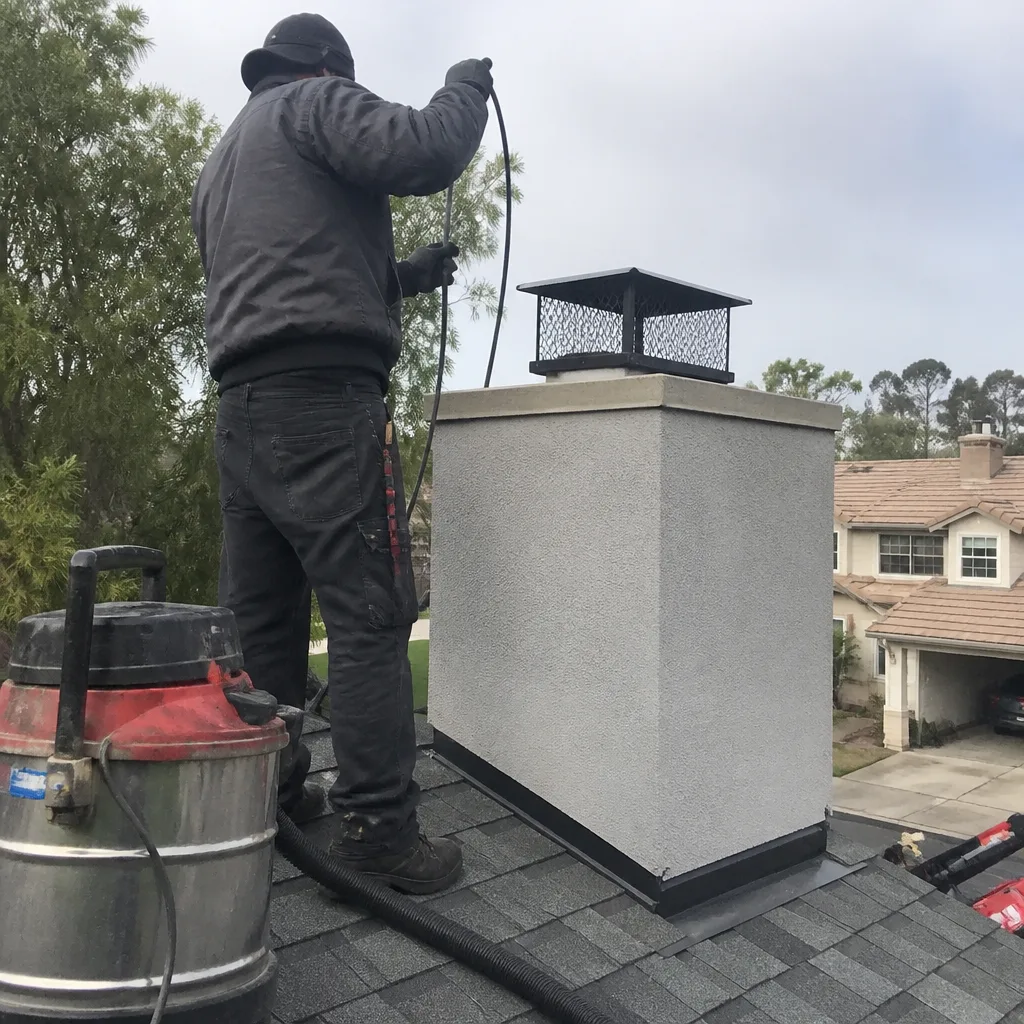
The cap is the first thing to fail on most chimneys, and in Norwalk it fails faster than inland. The city sits twelve miles from the Pacific, and marine air carries salt and moisture that accelerate corrosion on any exposed metal. Understanding the material options helps you evaluate whether a recommendation is right for your home or just convenient for the installer.
Galvanized Steel: The False Economy
Galvanized caps are coated with zinc, which protects the underlying steel until the coating wears through. In dry inland climates, that takes five to eight years. In Norwalk’s coastal-adjacent air, the salt accelerates the process and galvanized caps typically show rust within three to five years. Once the zinc is compromised, the steel corrodes quickly, the cap warps, and you’re buying another one. The upfront savings rarely survive a single replacement cycle.
304 Stainless Steel: The Standard for Norwalk
304 stainless is the workhorse material for chimney caps in Southern California. It resists rust from rain and coastal moisture, holds its shape through heat cycles, and typically lasts fifteen to twenty years in Norwalk conditions. Most professional caps from Copperfield and Rockford use 304 stainless as their base material. For a standard single-flue fireplace or furnace flue, a 304 stainless cap is the sensible default: double the lifespan of galvanized at roughly one-and-a-half times the price.
316 Stainless Steel: Marine-Grade for Coastal Exposure
316 stainless adds molybdenum to the alloy, which dramatically improves resistance to salt corrosion. It’s the material used on boats and coastal infrastructure. For Norwalk homes within a few miles of the coast, or chimneys with direct exposure to ocean winds, a 316 stainless cap provides meaningful extra protection. The price premium over 304 is modest, usually 10 to 15 percent, and it buys an additional five to ten years of service life. If your chimney faces the prevailing ocean breeze, it’s worth asking about.
Copper: Beautiful, Expensive, and Finicky
Copper caps are a statement. They develop a patina over time and can last thirty years or more. But copper is soft, and in high-wind conditions it can dent or deform. It also expands and contracts at a different rate than the surrounding masonry, which can loosen the attachment over time. For most Norwalk homes, copper is an aesthetic choice rather than a performance upgrade. If you want the look, buy a copper cap from a brand that uses proper gauge thickness, not a decorative garden-shop version.
Material Comparison at a Glance
- Galvanized steel: $60-$120 installed equivalent; 3-5 years in Norwalk; rusts quickly in coastal air
- 304 stainless: $180-$350 installed equivalent; 15-20 years in Norwalk; standard professional choice
- 316 stainless: $220-$400 installed equivalent; 20-25 years in Norwalk; best for close coastal exposure
- Copper: $400-$800 installed equivalent; 25-30 years; aesthetic choice, softer metal
These are material and typical price ranges for Norwalk’s market, not quotes. Actual pricing depends on chimney size, roof access, and installation complexity. What matters for evaluating a recommendation is whether the sweep explains the material difference at all. If they just say “new cap,” you’re not being told what you’re buying.
What “Professional-Grade” Actually Means vs. Hardware Store Products
“Professional-grade” gets thrown around so often it’s near meaningless, but in chimney products there are concrete differences you can verify. These are engineering differences, not packaging differences, and they show up in how long a product lasts and how well it performs under actual fire conditions.
Stainless Steel Thickness and Grade
Professional stainless caps from Copperfield and Rockford use 24-gauge or thicker 304 stainless. Hardware store caps often use 28-gauge or thinner, and some use 430 stainless, a cheaper alloy with much lower corrosion resistance. Thinner metal warps under heat, rattles in wind, and fails at the seams. You can feel the difference holding both in your hands. A professional product has weight to it.
Welded vs. Crimped Construction
Professional caps are welded at the corners and seams. Welded joints don’t separate when the metal expands and contracts with each heating cycle. Cheap caps use crimped or folded seams with mechanical fasteners, and those fasteners loosen over time. A loose cap flapping on a Norwalk roof during a Santa Ana wind event eventually breaks free entirely.
Screen Mesh Quality
The screen on a chimney cap serves two purposes: keeping animals out and containing sparks. Professional caps use stainless mesh with openings sized to block birds and squirrels while allowing proper airflow. Cheap caps use galvanized mesh with larger openings that smaller animals can squeeze through. Once a bird or squirrel establishes a nest in a flue, you’re looking at a full inspection, removal, and often a liner repair. The cheap cap just became very expensive.
Fasteners and Hardware
Every piece of hardware exposed on a chimney in Norwalk weather needs to be stainless steel. Professional brands include stainless fasteners. Cheap caps ship with zinc-plated screws that rust within two years. When those screws fail, the cap loosens, shifts, and eventually pulls free. The replacement visit costs more than the difference between a good cap and a cheap one would have in the first place.
Firebox and Crown Products
The same split applies inside the chimney. Professional refractory cement from Rutland is formulated to match the thermal expansion rate of firebrick. Hardware store products use generic formulas that crack after a few heat cycles because they expand at a different rate than the surrounding masonry. Crown sealers from professional brands are elastomeric, meaning they flex with temperature changes instead of cracking. Cheap sealers are rigid and fail at the first freeze-thaw or heat cycle.
None of this requires a materials science degree to evaluate. You’re looking for named products, explicit material grades, and a sweep who can explain why a product fits your specific chimney rather than reciting a memorized pitch. If you’re weighing whether to tackle maintenance yourself, read DIY vs Professional Chimney Cleaning: The Norwalk Homeowner’s Decision Guide. We use professional-grade materials from DuraFlex, HeatShield, Copperfield, and the other brands named throughout this guide because the performance difference shows up in years of service life, not weeks.
How to Read a Proposal That Names Products vs. One That Doesn’t
A written proposal tells you more about a chimney company than their website does. The way products are specified reveals whether the sweep is making careful choices for your home or picking whatever is cheapest from the truck. Here’s how to read the difference.
The Vague Proposal
A vague proposal says things like “install new chimney cap” or “repair crown with sealant.” No brand names, no material grades, no justification for the choice. This could mean anything. It could mean a high-quality 316 stainless cap installed by a pro who doesn’t document well. But it usually means a galvanized cap that was purchased in bulk because it was the least expensive option, and sealant from a tube that costs eleven dollars and fails after one winter.
A vague proposal also leaves you with no recourse. If the cap rusts in two years, you have no documentation of what was promised. The proposal said “cap.” The replacement gets argued about. You lose time and money.
The Named-Proposal
A professional proposal names the product and the grade. “Install Copperfield 304 stainless steel chimney cap, 24-gauge, with stainless mesh screen and stainless mounting hardware.” Now you know exactly what you’re buying. You can research it. You can compare it to other quotes. And if it fails early, you have documentation that the product specified was not what was installed.
We specify products by name in our proposals because it protects the homeowner and because it reflects how the work is actually done. A chimney that’s clean is not the same as a chimney that’s safe, and a safe chimney requires the right materials in the right places.
What to Do With a Vague Proposal
- Ask for specificity. “What brand and what material grade is the cap?” A professional answers immediately because they know what they’re installing.
- Ask why. “Why this product for my chimney?” A professional explains the conditions at your property that drove the choice: coastal air, flue size, existing liner material, roof exposure.
- Compare oranges to oranges. If one quote says “cap” and another says “Copperfield 304 stainless, 24-gauge,” they’re not pricing the same product. Ask the first company to specify, then compare.
- Walk away from defensiveness. If a company won’t tell you what product they’re installing, that’s an answer in itself.
Questions to Ask a Sweep About Recommended Products
You don’t need to become a chimney expert to evaluate a recommendation. You need to ask specific questions and listen carefully to the shape of the answer. A knowledgeable professional answers with specifics: material grades, expected lifespans, and reasons tied to your particular chimney. A vague answer means either a lack of knowledge or a desire to keep you uninformed. Neither is acceptable when you’re paying for safety equipment on your home.
Here are the questions worth asking, and what good answers sound like:
1. “What material grade is that cap?”
Weak answer: “It’s stainless steel.” Stainless comes in many grades with wildly different performance. Without the grade, you don’t know what you’re buying.
Strong answer: “304 stainless, 24-gauge. For your location a few miles from the coast, that’s the right balance of corrosion resistance and cost. If you were right on the water, I’d recommend 316.”
2. “Why this product for my chimney specifically?”
Weak answer: “This is what we always use.” That says nothing about your chimney.
Strong answer: “Your flue measures 13×13 and your existing cap is rusted through at the corners from salt exposure. This Copperfield cap is sized properly for that flue and uses 304 stainless with welded corners, which handles the salt air better than the galvanized one you have now.”
3. “What’s the warranty on this product?”
Weak answer: “It comes with a warranty.” From whom? For what period? Covering what?
Strong answer: “Copperfield warranties their stainless caps for life against manufacturer defects. The mounting hardware is covered for ten years. Labor from us is one year if anything shifts or loosens.”
4. “How long should this last in Norwalk conditions?”
Weak answer: “A long time.”
Strong answer: “A 304 stainless cap in your neighborhood should give you fifteen to twenty years. The salt air means you might see some cosmetic dulling earlier, but structurally it’ll hold. A galvanized cap would need replacing in three to five, which is why I don’t recommend them for Norwalk homes.”
5. “Do you repair what you find during cleaning, or do I need to hire someone else?”
Weak answer: “We can refer you to someone.” That’s a referral slip, not a repair.
Strong answer: “We handle repair in-house. If we find a cracked liner or deteriorated flue during your sweep, we can specify the fix, whether it’s HeatShield resurfacing or a new DuraFlex liner, and schedule the work. You won’t have to coordinate a second company.”
Creosote Treatments: What Works and What’s Just Marketing
Creosote is the byproduct of incomplete wood combustion. It builds up on flue walls as a tarry, flammable substance, and it’s the leading cause of chimney fires. The National Fire Protection Association estimates that creosote accumulation contributes to thousands of residential fires each year in the United States. Treating creosote is part of chimney maintenance, but not every product on the market does what its label claims.
Anti-Creo-Soot: The Manganese Catalyst
Anti-Creo-Soot is the most widely used creosote treatment among professional sweeps. It works by changing creosote’s chemical composition during combustion. Manganese-based catalysts cause creosote to become friable, which means it breaks down into a dry, flaky material that’s easier to remove during the next sweeping. It doesn’t eliminate the need for sweeping. It makes the next sweeping more effective and reduces the rate of accumulation between cleanings.
In Norwalk’s burn season, which typically runs October through March, a homeowner burning seasoned hardwood can expect meaningful creosote reduction from Anti-Creo-Soot applied weekly. It’s not a substitute for the annual sweep. It’s an adjunct that keeps accumulation manageable between professional cleanings.
The Creosote Log Problem
Retail creosote-removing logs promise to clean your chimney by burning. They don’t. What they do is partially oxidize the creosote at the hottest part of the flue, near the firebox, while leaving the upper flue and smoke chamber largely untreated. The upper flue is where the most dangerous glazed creosote accumulates because it’s where temperatures drop and creosote condenses.
A professional treatment like Anti-Creo-Soot is applied directly to hot coals, where it vaporizes and coats the entire flue surface. The distribution is even. The chemical reaction is consistent. A log burns where it sits and does not evenly treat anything above it. If you want a maintenance product between sweeps, the professional-grade option works. The log is mostly habit.
What Actually Reduces Creosote in Norwalk
- Burn seasoned hardwood only. Norwalk’s Mediterranean climate means firewood often sits in hot, dry conditions, which actually helps seasoning. Wood below 20 percent moisture content produces dramatically less creosote.
- Avoid smoldering fires. Low-temperature fires produce significantly more creosote. Burn hot enough to keep the flue warm.
- Schedule annual sweeping. The most effective creosote treatment is professional removal. Everything else is maintenance between cleanings.
- Use Anti-Creo-Soot during burn season. Applied weekly to hot coals, it keeps creosote in a state that’s easier to remove at the next Chimney Sweep in Norwalk visit.
Flue Repair Products: HeatShield and When It’s the Right Call
When a chimney inspection reveals deteriorated flue tiles, homeowners face a decision. The traditional fix is a full liner replacement, which involves breaking out the old tiles and installing a new stainless liner. It’s effective but expensive and disruptive. HeatShield offers a third path: a resurfacing system that restores the existing flue without demolition.
HeatShield is a cerfractory material, a ceramic and refractory blend, applied by certified technicians to the interior of a deteriorated flue. It seals cracks, fills gaps, and creates a smooth, insulated surface that restores the flue to safe operating condition. The system is distributed by Saver Systems, and the application process requires specific training because the material cures rapidly and must be applied with precise thickness control.
When HeatShield Makes Sense
HeatShield is the right call when the flue structure is fundamentally sound but the tile surfaces show cracks, gaps, or spalling that would allow heat transfer to surrounding combustibles. It’s also appropriate for chimneys with missing mortar joints between tiles, a common condition in Norwalk homes built during the postwar boom when construction standards varied widely. For flues with major structural movement or collapse, HeatShield isn’t appropriate, and a full liner replacement using a DuraFlex system becomes the correct specification.
We’re HeatShield-capable, which means we can offer this option as part of a repair plan. Many sweep-only companies cannot. They can identify the problem, write it up, and send you to find a masonry contractor. A company that applies HeatShield in-house handles the entire sequence: inspect, diagnose, resurface, verify, and warrant the work. It’s one of the clearest markers of technical depth in the industry.
The Verification Step
Whether you choose HeatShield resurfacing or a full DuraFlex liner installation, the repair should include verification. After application, a camera inspection should confirm full coverage with no voids or thin spots. The technician should be able to show you the before and after images on the spot. If you’re being asked to accept a repair on faith, ask for the camera. We’ve never met a reputable chimney company that didn’t have one on the truck.
For Norwalk homeowners who use their fireplace regularly, the decision between HeatShield and full liner replacement depends on the condition of the existing flue and the intended use pattern. A HeatShield resurfaced flue is suitable for continued wood burning when the application is complete. A full stainless liner may be preferable for chimneys serving modern high-efficiency appliances, where the smooth interior and insulation properties provide draft performance benefits. The right answer depends on the specific chimney, which is why a proper inspection before any recommendation matters.
Common Mistakes to Avoid
- Accepting “cap” without a material grade. A galvanized cap fails in three to five years in Norwalk’s salt air, and you’ll pay for the replacement. Ask for the grade. If the sweep can’t name it, find another sweep.
- Treating a creosote log as a substitute for sweeping. These logs treat a fraction of the flue and leave the most dangerous glazed creosote untouched. Annual professional sweeping is not optional for wood-burning fireplaces.
- Assuming a clean chimney is a safe chimney. A sweep removes creosote. It does not repair cracks, deteriorated mortar, or a failing liner. From the firebox to the cap, every component needs inspection.
- Ignoring the dryer vent. Dryer vent fires are a leading cause of residential structure fires, and most chimney companies don’t handle vents. You’re already scheduling one service call. Dryer Vent Cleaning in Norwalk addresses the second fire hazard in the same visit.
- Patching firebox cracks with hardware store cement. Generic refractory cement expands at a different rate than firebrick and cracks within one burn season. Professional products like Rutland are formulated to match firebrick’s thermal expansion.
- Choosing the cheapest quote without comparing specifications. A proposal for a “chimney cap” and a proposal for a “Copperfield 304 stainless cap with welded construction” are pricing different products. Compare the specs, then compare the prices.
- Delaying liner repair after a diagnosis. A deteriorated flue doesn’t improve with time. Each burn season adds stress to failing tiles, and the repair becomes more extensive. Norwalk’s burn season is short enough that a fall diagnosis should mean a fall repair, not waiting until next year.
When to Call a Professional
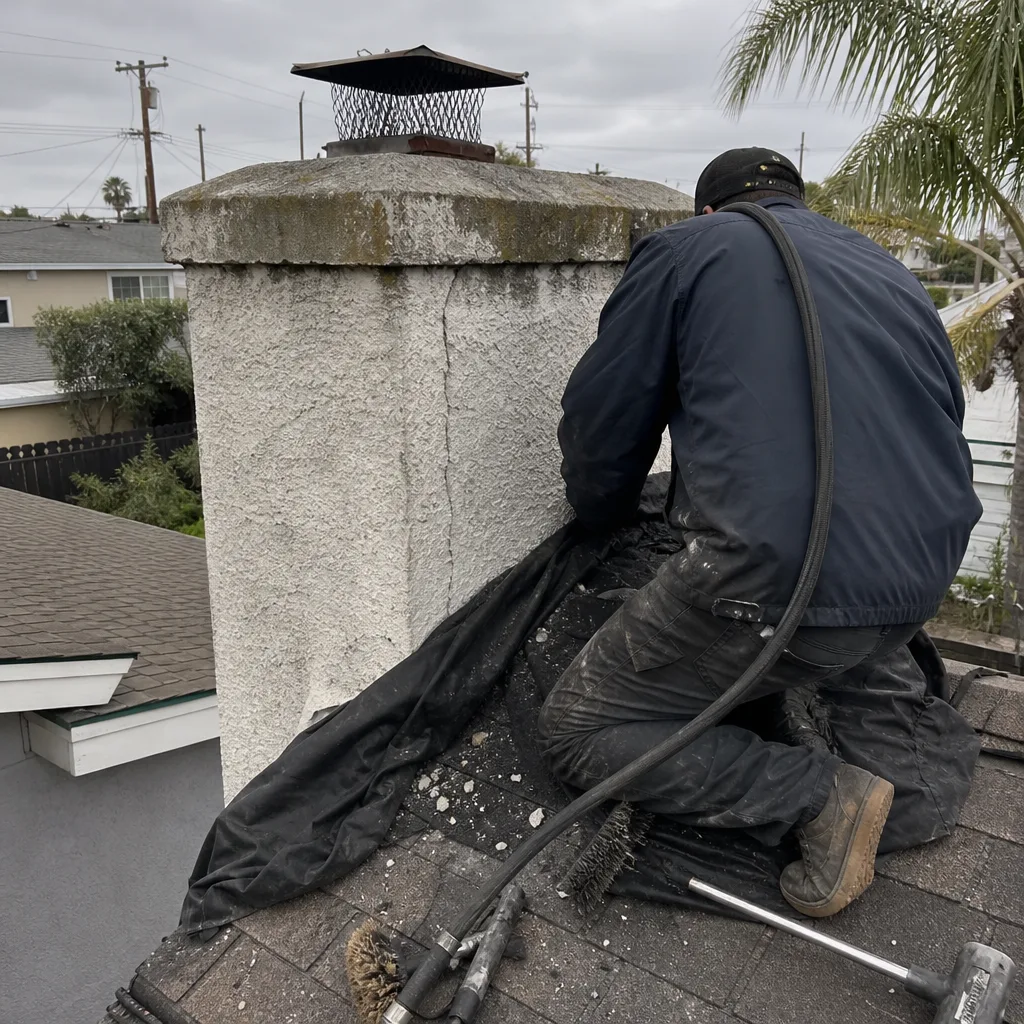
Some maintenance you can handle yourself: checking the cap from the ground with binoculars, inspecting the firebox for visible cracks, noticing whether your fire draws properly or smokes into the room. Anything beyond visual observation belongs to a professional. Chimney sweeping requires specialized brushes sized to your flue, and the creosote removed is a hazardous material that needs proper disposal. Inspection requires a camera to see into the smoke chamber and upper flue where eyes can’t reach. Repair requires product knowledge and installation skill that comes from training and repetition.
If you haven’t had your chimney inspected in the past year, if you’re noticing smoke spillage into the room, if you see rust stains on the exterior masonry, or if you’re buying a home in Norwalk with an existing fireplace that hasn’t been evaluated, the time to call is before you light the first fire. Chimney Repair in Norwalk covers the full scope of service, and our Chimney Repair Norwalk home page spells out what we do. Chimney Repair Norwalk offers free estimates in Norwalk – call (855) 942-0212.
Frequently Asked Questions
A standard chimney sweep in Norwalk typically runs between $180 and $320 depending on flue accessibility, creosote level, and whether the chimney has been recently cleaned. Homes with heavy creosote accumulation or unusual flue configurations may cost more. Call (855) 942-0212 for an exact quote – estimates are free.
The National Fire Protection Association recommends annual inspection and sweeping as needed for wood-burning fireplaces. In Norwalk, where the burn season runs roughly October through March, an annual sweep before the first fall fire is the right cadence for most homeowners. If you burn more than three cords per year or notice rapid creosote accumulation, a mid-season sweep may be warranted.
HeatShield resurfacing is appropriate when the existing flue tiles are cracked or showing spalling but the chimney structure itself is sound. A full liner replacement using a DuraFlex system is the right call when the flue has collapsed, shifted significantly, or is serving a modern high-efficiency appliance. A camera inspection with images you can review yourself should confirm which condition applies to your chimney. Get a specific diagnosis before choosing, and call (855) 942-0212 to have your flue evaluated.
Creosote accumulates on flue walls and becomes a fuel source. A chimney fire can reach temperatures that crack flue tiles, damage the chimney structure, and spread to surrounding framing. In less dramatic scenarios, thick creosote obstructs airflow, causing smoke spillage into the home and carbon monoxide risk. Annual sweeping is the fire safety standard for wood-burning chimneys.
No. Creosote-removing logs treat a small portion of the flue near the firebox and leave glazed creosote in the upper flue largely untouched. They also create the impression that maintenance is handled when it isn’t. Professional treatments like Anti-Creo-Soot applied by a sweep distribute evenly across the flue surface and make subsequent cleaning more effective. They complement an annual professional sweep. They don’t replace it.
Norwalk sits close enough to the Pacific that salt air accelerates corrosion on exposed metal. Galvanized caps typically fail in three to five years here, while 304 stainless lasts fifteen to twenty years. The material choice determines whether you’re buying one cap or four over the life of your chimney. When a proposal says “cap” without a material grade, you don’t know which one you’re paying for.
The Bottom Line
The right chimney cleaning brand for Norwalk is one with product names on the proposal. Look for Copperfield or Rockford caps and liners, Saver Systems HeatShield for flue repair, Rutland for firebox maintenance, and Anti-Creo-Soot for creosote treatment between sweeps. Ask for material grades, ask why a product fits your specific chimney, and walk away from answers that don’t get specific. In a coastal climate like Norwalk, the difference between galvanized and stainless is measured in years of service life and dollars saved on replacements. One call covers your chimney and your dryer vent, and from the firebox to the cap, every component gets inspected. Call (855) 942-0212 for a free estimate and a proposal that specifies what you’re actually buying.
Written by the team at Chimney Repair Norwalk, serving Norwalk since 2017.
See the difference
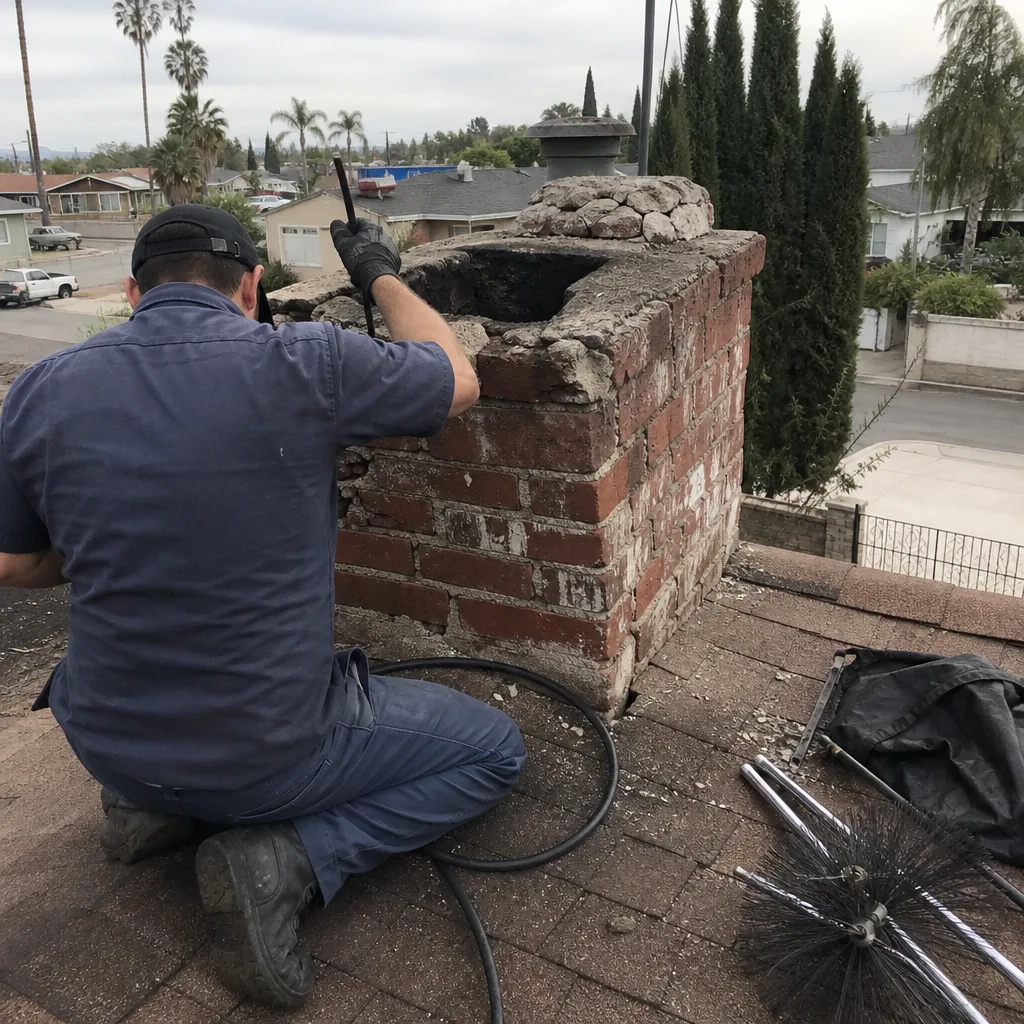 Before
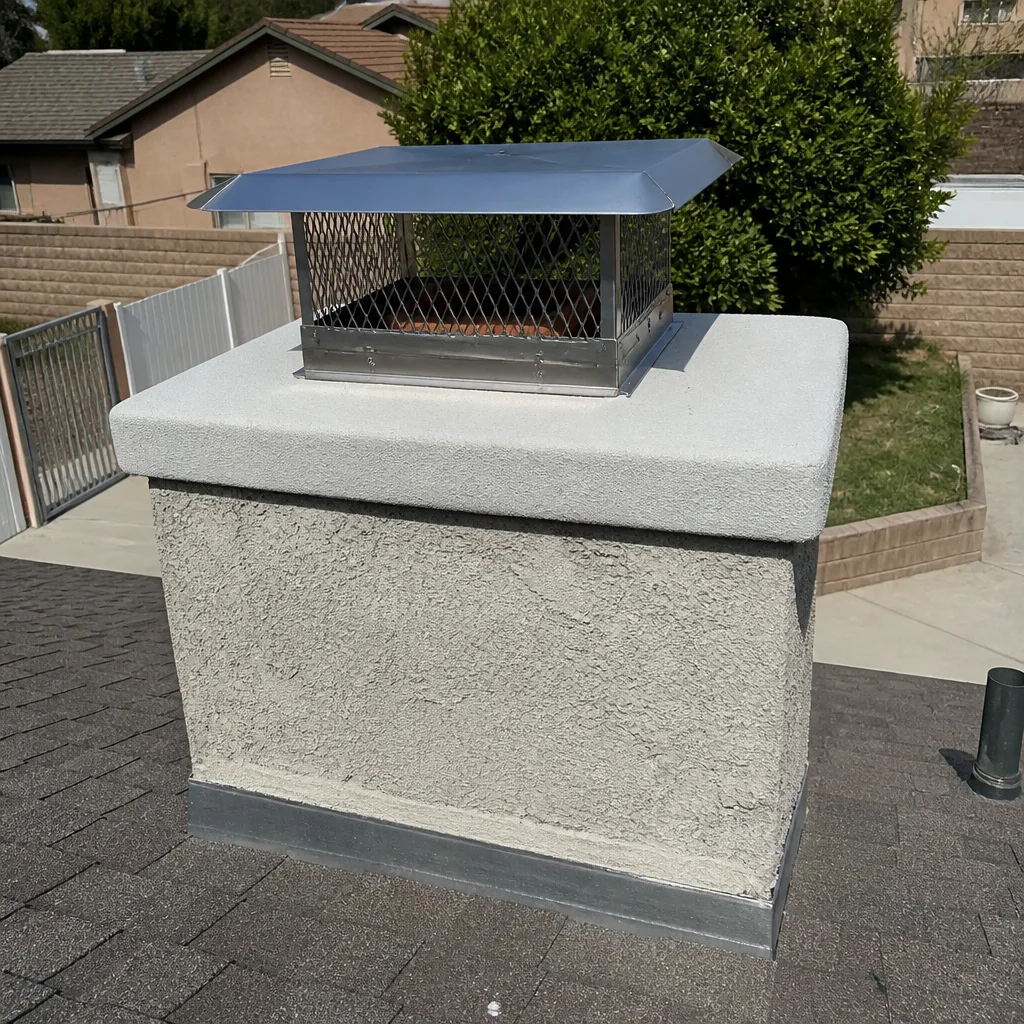 After
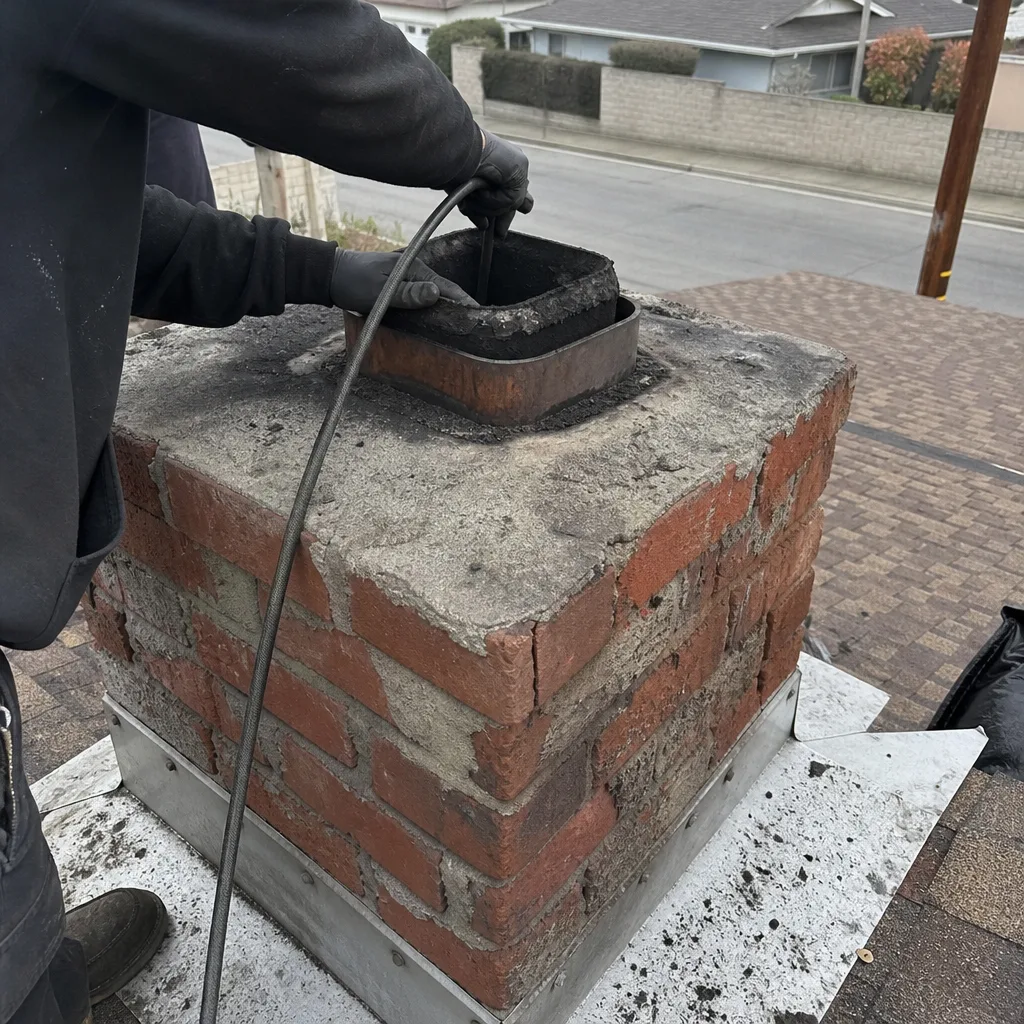 Before
 After
 Before
 After